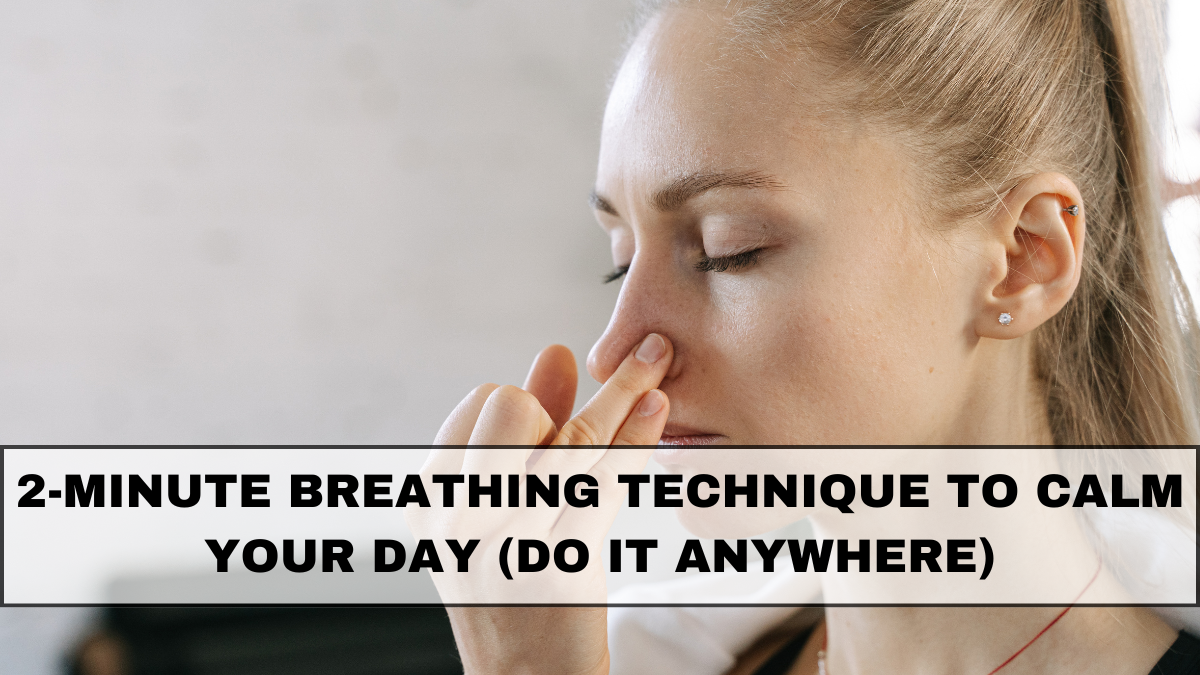
In today’s fast-paced lifestyle, stress and anxiety have become daily companions for many Indians. Whether it’s work pressure, exams, or personal responsibilities, moments of tension are unavoidable. Quick mindful breathing techniques offer a practical way to regain control, reduce anxiety, and bring calm in just two minutes. Unlike long meditation sessions, these exercises are portable, simple, and effective anytime, anywhere.

Why Mindful Breathing Works
Mindful breathing focuses on conscious inhalation and exhalation, activating the parasympathetic nervous system. This helps the body:
-
Reduce heart rate and blood pressure
-
Lower cortisol levels (stress hormone)
-
Improve mental clarity and focus
-
Promote a sense of immediate calm
Even short breathing exercises are backed by research, showing measurable improvements in mood and stress reduction.
How to Do the 2-Minute Breathing Technique
Step 1: Find Your Space
You don’t need a quiet room. Sit comfortably on a chair, at your desk, or even standing. Relax your shoulders, keep your spine straight, and close your eyes if possible.
Step 2: Inhale Deeply
Take a slow, deep breath through your nose for a count of four. Focus on expanding your lungs fully and feeling the air travel into your abdomen. This helps oxygenate the body and signals relaxation.
Step 3: Hold Your Breath
Hold the inhaled breath for a count of four. This pause allows your body to absorb oxygen efficiently and prepares you for a controlled exhale.
Step 4: Exhale Slowly
Breathe out gently through your mouth for a count of six. Let go of tension as you exhale. Focusing on the exhale length enhances the calming effect.
Step 5: Repeat for Two Minutes
Repeat the cycle for 2–3 minutes or longer if you have time. Even a single 2-minute session can noticeably reduce stress and anxiety.
Tips for Maximum Benefits
-
Practice daily, preferably in the morning or before stressful tasks
-
Combine with gentle stretches or shoulder rolls to release tension
-
Use a reminder or app to maintain consistency
-
Focus fully on your breath; avoid multitasking during this short routine
Why This Works for Indian Lifestyles
Indians juggling work, studies, or household duties often lack time for extended meditation. This quick mindful breathing technique fits seamlessly into:
-
Office breaks to regain focus
-
Study sessions to refresh the mind
-
Commuting time to reduce travel-related stress
-
Pre-bedtime routine to promote better sleep
Benefits of Practicing 2-Minute Breathing
-
Instant reduction in anxiety and nervousness
-
Improved concentration and mental clarity
-
Increased awareness of body and mind
-
Supports long-term stress resilience with consistent practice
Conclusion
The 2-minute breathing technique is a simple, effective, and accessible stress-busting tool for Indians on the go. By taking short, mindful pauses and focusing on inhalation, holding, and exhalation, anyone can calm their mind and body almost instantly. Incorporating this practice into daily routines helps not only with immediate stress relief but also builds resilience against ongoing mental fatigue. Quick mindful breathing is an essential wellness tool in 2025 for achieving balance, calm, and clarity in everyday life.
FAQs
How long should I practice this breathing technique?
Even 2–3 minutes daily is effective, but you can extend it to 5–10 minutes for deeper relaxation.
Can I do this anywhere?
Yes, it can be practiced while sitting at your desk, commuting, or even standing in a queue.
How quickly will I feel the benefits?
Most people notice reduced stress and increased calm immediately after the 2-minute session.
Is this technique suitable for beginners?
Absolutely. No prior experience is required; it’s simple and accessible for anyone.
Can mindful breathing help with long-term stress?
Yes, regular practice strengthens mental resilience and lowers baseline stress levels over time.
Click here to know more.