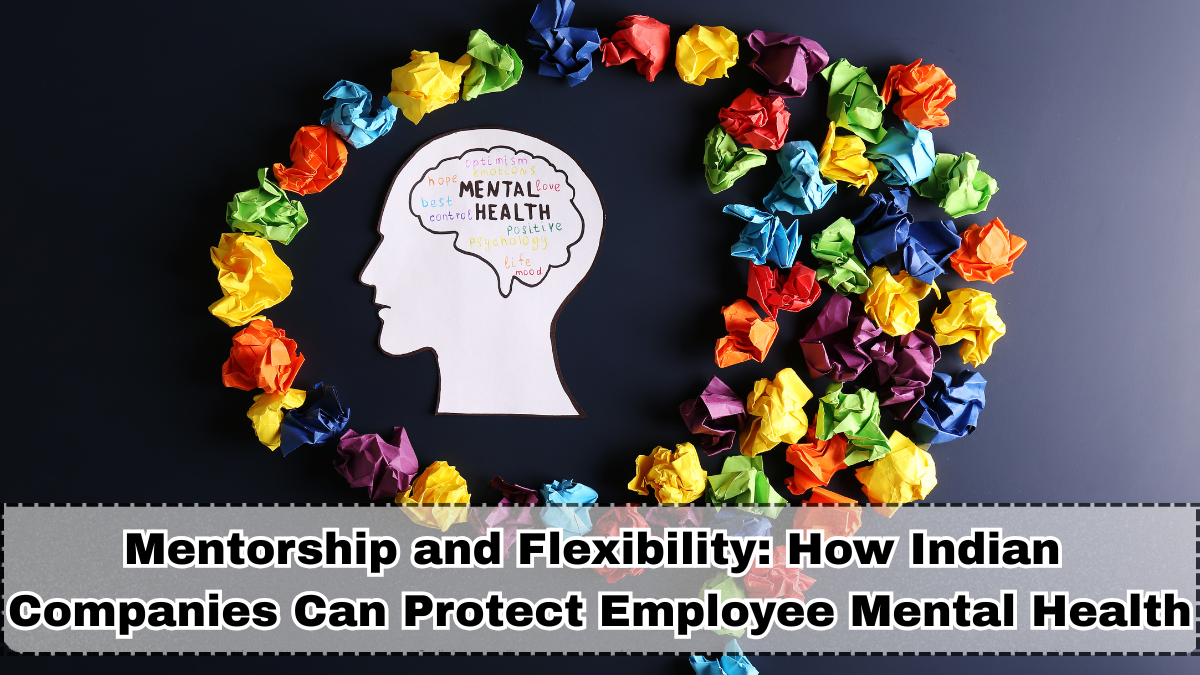
Indian workplaces in 2025 are undergoing a silent transformation. Surveys reveal that the real factors improving employee wellbeing are not gym memberships or fancy perks—they are mentorship, career growth support, and workplace flexibility. These three pillars have become essential for mental health at work, especially for Gen Z and millennial professionals.
The Mentorship flexibility mental health at work India trend shows that employees no longer want just a salary—they want environments where they feel supported, guided, and trusted with autonomy.
Why Mentorship Matters More Than Ever in 2025
Recent data from Indeed and HR studies across India highlight that employees with access to structured mentorship feel less anxious and more confident about their career direction. A mentor acts as a sounding board, offering clarity during stressful situations and reducing the emotional burden of work.
Strong mentorship also helps Gen Z professionals, who often struggle with imposter syndrome, navigate corporate expectations better. It creates a sense of belonging, which directly reduces burnout.
Key advantages of workplace mentorship:
-
Faster career clarity and decision-making
-
Reduced performance anxiety
-
Better skill development through personalised guidance
-
Stronger emotional resilience
-
Higher job satisfaction and loyalty
For companies, this leads to better retention and more productive employees.
Flexible Work Is Becoming the No. 1 Mental Health Booster
Hybrid and flexible work models have become the biggest mental wellness anchor for Indian employees. The option to work from home a few days a week reduces commute fatigue, allows healthier routines, and supports better work-life balance.
Employees with flexible schedules report:
-
Lower stress levels
-
Improved sleep
-
More time for fitness and family
-
Higher focus during work hours
This shows why many HR surveys list flexibility as a top reason employees choose a job in 2025.
Here’s a simple comparison Indian companies are using to measure the impact:
| Workplace Feature | Mental Health Impact | Employee Satisfaction |
|---|---|---|
| Rigid 9–6 model | High burnout | Low |
| Hybrid model | Balanced stress | Moderate–High |
| Fully flexible hours | Lowest stress | Very High |
Flexibility isn’t just a benefit—it’s becoming a core mental health necessity.
The Link Between Growth Support and Emotional Stability at Work
Career stagnation is one of the biggest hidden causes of anxiety among Indian professionals. Employees who feel stuck report higher stress, irritability, and self-doubt. On the other hand, organisations that invest in upskilling programs, promotions, and skill pathways see happier teams.
This growth support can include:
-
Internal job mobility opportunities
-
Regular skill-building workshops
-
Clear promotion frameworks
-
Manager-led development plans
-
Sponsoring certifications
When employees see a future in the company, they worry less and perform better.
How HR Teams Are Redesigning Workplaces for Mental Wellness
The Mentorship flexibility mental health at work India movement has pushed HR departments to rethink policies. Instead of one-time wellness events, they are introducing sustainable systems that support employees every day.
These changes include:
-
Monthly check-ins focused on workload and wellbeing
-
Access to mental health counsellors
-
Anonymous feedback channels
-
No-meeting Fridays
-
Balanced workload distribution
-
Break-friendly management styles
These small but consistent improvements help employees manage stress proactively.
Simple Ways Companies Can Support Mental Health Starting Today
Indian companies do not need huge budgets to support employee wellness. Even small shifts can create major improvements in morale and mental stability.
Here are actionable steps HR teams are adopting:
-
Offer short, weekly mentorship circles
-
Allow flexible login times
-
Introduce quiet work hours for deep focus
-
Provide optional wellness leaves
-
Encourage team boundaries for after-hours messaging
-
Train managers to identify early burnout signs
These steps reduce pressure and build healthier team dynamics.
FAQs
How does mentorship improve mental health at work?
It reduces self-doubt, builds confidence, and provides emotional support during stressful work phases.
Is hybrid work better for mental health?
Yes. Hybrid work reduces commute exhaustion, helps maintain routines, and improves overall work-life balance.
What is the top cause of workplace anxiety for Indians?
Career stagnation, heavy workload, and rigid work policies are among the top triggers.
Do flexible hours increase productivity?
Absolutely. Employees work better when they feel trusted and have control over their schedules.
How can small companies support mental health without big budgets?
By offering mentorship, flexibility, open communication, balanced workloads, and supportive leadership.
Click here to know more.