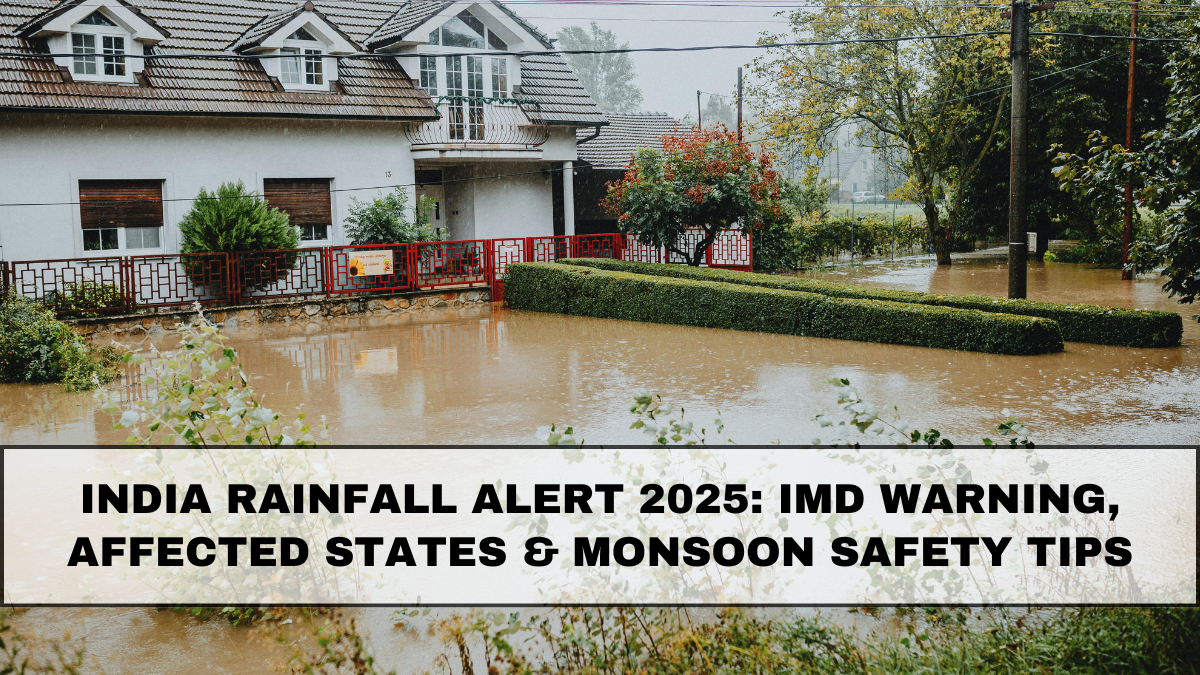
The India Rainfall Alert 2025 provides the latest updates from the India Meteorological Department (IMD) regarding heavy rainfall, flood-prone areas, and safety guidelines across the country. Monsoon season in India brings significant rainfall, which is crucial for agriculture and water resources, but can also lead to flooding, landslides, and disruption in daily life. Understanding IMD warnings and state-wise alerts helps citizens take timely precautions and stay safe.

IMD Rainfall Warnings and Alerts
The IMD issues rainfall alerts in 2025 using a graded system:
-
Yellow Alert: Heavy rainfall expected; residents advised to monitor local conditions.
-
Orange Alert: Very heavy rainfall likely; local authorities may take precautionary measures.
-
Red Alert: Extremely heavy rainfall expected; potential flooding, landslides, and evacuations.
Alerts are updated daily with detailed forecasts for states, districts, and cities, helping local authorities and citizens prepare in advance.
States Most Affected by Rainfall in 2025
Certain Indian states are more vulnerable to monsoon floods and heavy rains:
-
Western Ghats region: Kerala, Karnataka, and Maharashtra experience heavy rainfall during monsoon peaks.
-
Eastern India: West Bengal, Odisha, and Assam often face riverine floods due to heavy precipitation.
-
Central and Northern India: Madhya Pradesh, Uttar Pradesh, and Bihar occasionally experience localized flooding.
Knowing the affected areas allows residents to stay alert and take precautionary actions such as moving to safer locations and stocking essential supplies.
Flood-Prone Areas and Precautions
India has several regions that are particularly susceptible to flooding:
-
Low-lying urban areas with poor drainage systems.
-
River basins and areas near dams that may overflow during heavy rainfall.
-
Hills and mountainous areas prone to landslides.
Safety precautions include:
-
Avoid traveling during heavy rains unless necessary.
-
Keep emergency kits ready, including drinking water, first aid, and essential medicines.
-
Stay indoors and monitor news updates from IMD and local authorities.
-
Move to higher ground if residing in flood-prone areas.
Being proactive reduces risk and ensures safety during extreme weather events.
Impact of Rainfall on Daily Life
Heavy rainfall affects several aspects of life:
-
Transport: Road closures, train delays, and air traffic disruptions are common.
-
Agriculture: While rainfall is essential, excessive rain can damage crops and soil.
-
Health: Increased risk of waterborne diseases such as dengue, malaria, and cholera.
-
Utilities: Power outages and disruption of water supply can occur in severely affected areas.
Timely alerts help residents and authorities plan effectively to mitigate these challenges.
Role of IMD in Rainfall Monitoring
The India Meteorological Department plays a critical role in monitoring weather conditions:
-
Uses satellite imagery, radar, and weather stations to track rainfall patterns.
-
Provides district-wise forecasts and warnings to governments and the public.
-
Collaborates with disaster management authorities for flood risk mitigation.
-
Issues online alerts through mobile apps, websites, and media channels for real-time information.
IMD’s proactive monitoring is vital for minimizing loss of life and property during monsoon seasons.
FAQs on India Rainfall Alert 2025
Which states are most at risk of heavy rainfall in 2025?
Kerala, Karnataka, Maharashtra, West Bengal, Odisha, Assam, Madhya Pradesh, Uttar Pradesh, and Bihar are more prone to floods.
How does the IMD issue rainfall warnings?
IMD issues Yellow, Orange, and Red alerts based on expected rainfall intensity and potential hazards.
What precautions should residents take during heavy rainfall?
Avoid travel, stay indoors, keep emergency kits ready, and move to higher ground if needed.
How can I stay updated on rainfall alerts?
IMD updates are available on official websites, mobile apps, and through local news channels.
What are the impacts of heavy rainfall on daily life?
Floods, transport disruptions, health risks, crop damage, and utility outages are common impacts.
How does IMD help in disaster preparedness?
IMD provides forecasts, alerts, and collaborates with disaster management authorities to mitigate flood and landslide risks.
Click here to know more.