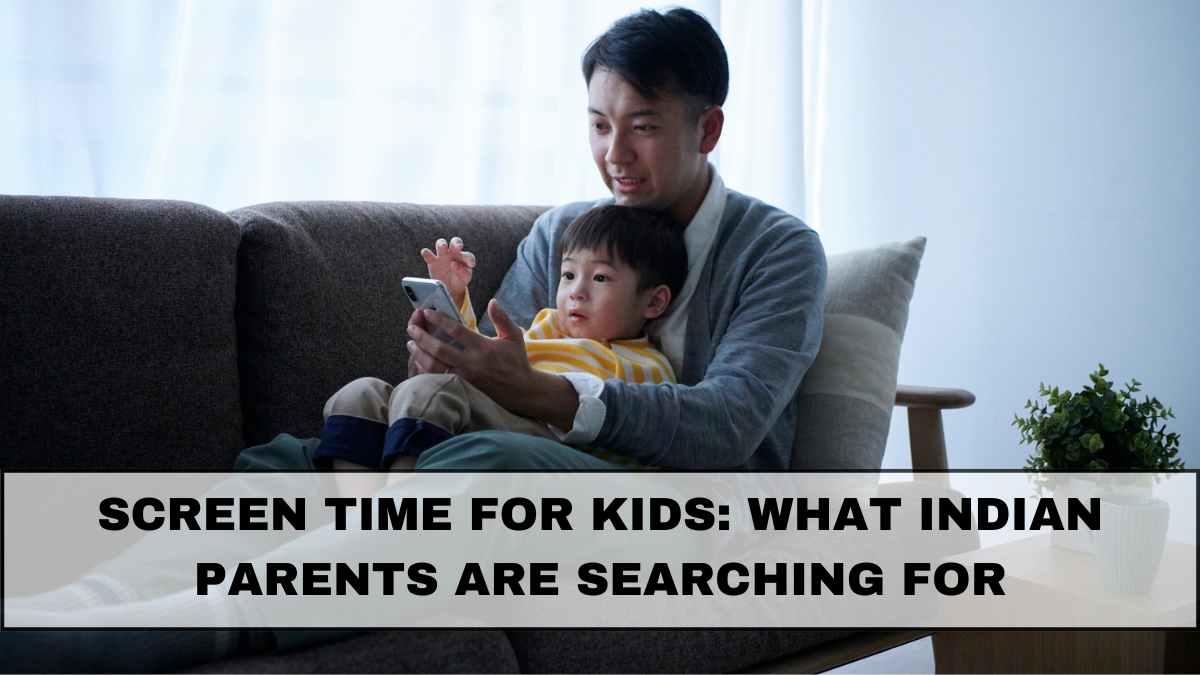
The topic of Parenting: screen time rules has become a significant focus for Indian parents in 2025. With children spending increasing hours on smartphones, tablets, and computers, managing kids screen time while ensuring digital safety has emerged as a key concern. Parents are searching for practical strategies, guidelines, and tools to balance screen usage, encourage offline activities, and prevent overexposure to digital content.
Understanding healthy screen-time limits and fostering responsible digital habits can help children develop better focus, social skills, and mental well-being.

Why Screen-Time Management Matters
Several reasons make Parenting: screen time rules essential in modern India:
• Rising use of online classes and educational apps
• Increased engagement with social media and gaming
• Risk of digital addiction affecting sleep, attention, and emotional health
• Need for safeguarding children from inappropriate content
• Balancing digital literacy with offline social and physical activities
Parents are seeking evidence-based advice and practical tools to manage these challenges effectively.
Recommended Screen-Time Guidelines
Experts suggest age-appropriate screen-time limits for children:
• Under 2 years: Avoid screen time except video calls
• Ages 2–5 years: Maximum 1 hour/day of high-quality educational content
• Ages 6–12 years: 1–2 hours/day for recreational use, excluding homework
• Teens (13–18 years): Encourage self-regulated screen use, balancing studies, hobbies, and social interactions
Indian parents are increasingly following these recommendations to foster healthy digital habits.
Tips for Managing Kids Screen Time
Practical strategies to regulate screen time include:
• Set clear rules and schedules – Allocate specific hours for devices
• Use parental control apps – Monitor app usage and filter inappropriate content
• Encourage offline activities – Outdoor play, reading, board games, and hobbies
• Model healthy screen behavior – Children mimic parental digital habits
• Create screen-free zones – Dining areas, bedrooms, and study spaces
Consistent application of these rules helps children develop self-discipline and better time management skills.
Educational vs. Recreational Screen Use
Not all screen time is equal. Parents are advised to differentiate between:
• Educational content – Online learning, skill-building apps, and informative videos
• Recreational content – Gaming, social media, and entertainment apps
By prioritizing educational usage and limiting recreational exposure, children can benefit from technology while avoiding excessive screen dependency.
Tools and Apps for Digital Safety
Several tools help Indian parents monitor and manage kids screen time:
• Google Family Link – Track usage, set app limits, and approve downloads
• Qustodio & Norton Family – Monitor online activity and block harmful sites
• YouTube Kids – Curated content with parental controls
• Forest & Focus apps – Encourage productivity and reduce unnecessary screen use
These tools provide a structured approach to managing digital exposure while teaching children responsible online behavior.
Encouraging Offline Engagement
Reducing screen time is more effective when paired with engaging offline activities:
• Encourage creative hobbies – Drawing, painting, music, and crafts
• Promote physical activity – Cycling, yoga, sports, or simple exercises
• Family activities – Board games, storytelling, cooking together
• Social interactions – Playdates, community activities, and group learning
Blending offline engagement with controlled digital use supports overall child development and well-being.
Benefits of Controlled Screen Time
Adopting structured Parenting: screen time rules has multiple advantages:
• Improved attention span and cognitive development
• Better sleep patterns and reduced eye strain
• Enhanced social skills and emotional intelligence
• Reduced risk of cyberbullying and exposure to harmful content
• Development of responsible digital habits for the future
These benefits make screen-time management a priority for Indian parents in 2025.
Conclusion
The focus on Parenting: screen time rules in India reflects a growing awareness of the importance of digital safety and balanced screen use for children. By setting age-appropriate limits, using parental control apps, encouraging offline activities, and modeling responsible behavior, parents can ensure that their children benefit from technology without compromising mental, emotional, or physical health. Structured screen-time management helps children develop healthy habits, maintain balance, and thrive in a digital-first world.
FAQs
How much screen time is appropriate for young children?
Children under 2 years should avoid screens, while ages 2–5 should have up to 1 hour/day of high-quality content.
What apps help Indian parents manage screen time?
Google Family Link, Qustodio, Norton Family, and YouTube Kids are popular options.
How can I encourage offline activities?
Promote hobbies, sports, family games, and social interactions to balance digital use.
What are the benefits of limiting screen time?
Improved focus, better sleep, enhanced social skills, reduced exposure to harmful content, and responsible digital habits.
How do parents model healthy screen behavior?
By minimizing their own unnecessary device use, creating screen-free zones, and prioritizing real-world interactions.
Click here to know more.