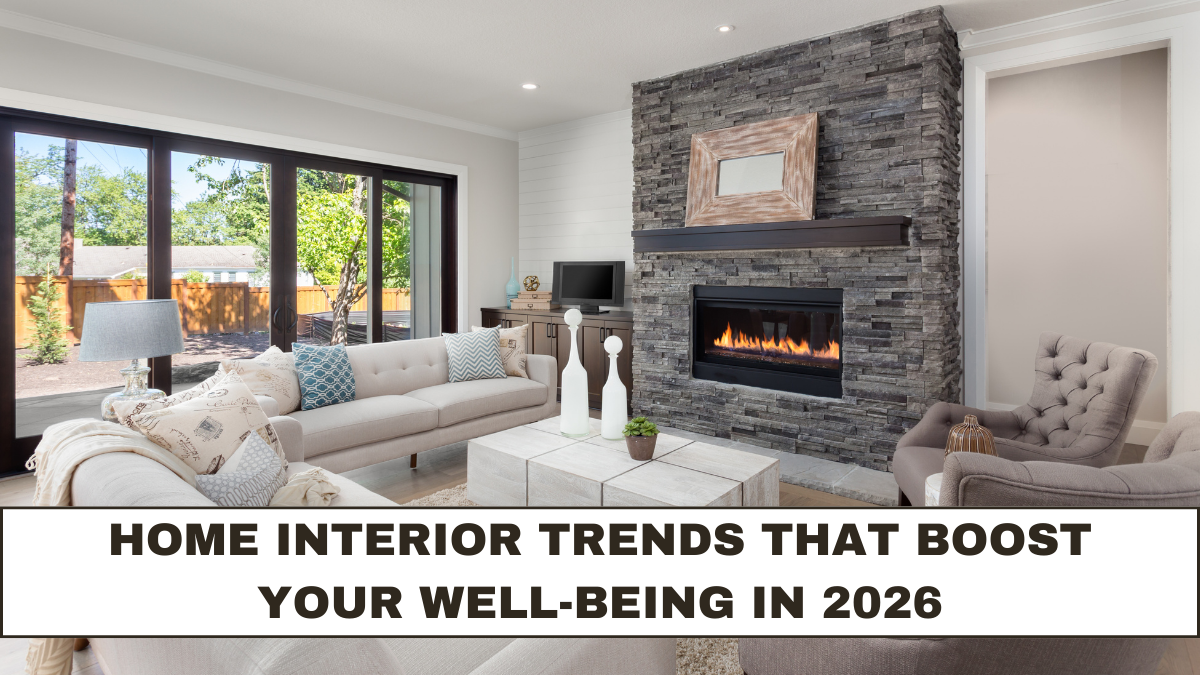
In 2026, home design is no longer just about aesthetics or luxury. People are increasingly shaping their living spaces around emotional comfort, mental peace, and daily well-being. As stress, screen fatigue, and fast-paced lifestyles continue to rise, homeowners are turning toward emotional home design trends that support calm, balance, and self-care. These shifts reflect a deeper understanding that our surroundings directly influence how we feel, think, and function every day.
The idea of homes acting as emotional sanctuaries has become central to modern lifestyle choices. Designers, psychologists, and wellness experts now agree that thoughtful interiors can reduce anxiety, improve sleep, and even strengthen relationships. Below, we explore the most meaningful home interior trends that boost your well-being in 2026, showing how emotional design is reshaping modern living.
The Rise of Emotion-Centered Home Design
One of the biggest lifestyle changes in recent years is the move toward emotionally responsive living spaces. Instead of designing homes purely for appearance or resale value, people now focus on how rooms make them feel.
Emotional home design emphasizes:
-
Comfort over perfection
-
Calm over clutter
-
Functionality aligned with mood
-
Sensory balance
This shift reflects a broader cultural awareness around mental health. In 2026, homeowners are intentionally choosing layouts, textures, and colors that support peace and emotional stability. Spaces are designed to feel grounding after long digital days and demanding routines.
Color Psychology Takes a Softer Direction
Color continues to play a powerful role in emotional well-being. In 2026, bold and overstimulating tones are being replaced by softer, emotionally grounding palettes. These shades are chosen not for trends alone but for how they influence mood and nervous system regulation.
Popular emotionally supportive colors include:
-
Warm neutrals like sand, oat, and clay
-
Muted greens that evoke nature
-
Soft blues associated with calm and clarity
-
Earthy browns that provide a sense of safety
These tones are being used not just on walls, but also in furniture, curtains, and décor accents. The goal is to create visual harmony that helps the mind relax naturally.
Designing Spaces for Emotional Zones
Another key home interior trend that boosts well-being in 2026 is zoning spaces based on emotional needs rather than strict functionality. Homes are now being divided into emotional zones instead of traditional room purposes.
Examples include:
-
Calm zones for relaxation or meditation
-
Focus corners for deep work or study
-
Social warmth areas designed for connection
-
Recovery spaces for rest and reflection
Even small homes are adapting this idea using lighting, rugs, or furniture placement. This approach helps individuals transition between mental states more smoothly throughout the day.
Biophilic Design and Natural Connection
Humans are deeply connected to nature, and biophilic design continues to evolve as a major wellbeing-driven trend. In 2026, emotional home design leans heavily into natural elements that reduce stress and increase happiness.
Key biophilic features include:
-
Indoor plants that purify air and soften interiors
-
Natural materials like wood, stone, and linen
-
Sunlight-maximizing layouts
-
Nature-inspired textures and patterns
These elements help recreate a sense of grounding often lost in urban environments. Research-backed design approaches show that even visual exposure to natural materials can lower stress levels and improve mood.
Sensory-Friendly Lighting for Emotional Balance
Lighting has a direct effect on emotional regulation, sleep cycles, and productivity. In 2026, lighting design is becoming more adaptive and emotionally intelligent.
Popular lighting trends include:
-
Warm adjustable lighting instead of harsh white bulbs
-
Layered lighting using lamps, sconces, and ambient sources
-
Smart lighting that adapts to time of day
-
Soft glow lighting for evening wind-down routines
Homes now aim to mimic natural light rhythms, helping the body transition smoothly between activity and rest. This supports better sleep and emotional stability without drastic lifestyle changes.
Comfort-First Furniture and Layouts
Furniture design has also shifted toward emotional comfort rather than visual drama. Sharp edges and rigid layouts are being replaced with soft, supportive, and flexible forms.
Key features include:
-
Rounded furniture edges for psychological softness
-
Deep seating designed for relaxation
-
Modular furniture that adapts to mood or activity
-
Textures that feel calming to touch
This reflects a broader movement where homes are meant to feel safe and restorative. Comfort-first furniture encourages people to slow down and be present.
Decluttering as Emotional Care
Minimalism in 2026 is less about strict rules and more about emotional clarity. Instead of removing everything, people are choosing to keep items that bring meaning, comfort, or joy.
Emotion-led decluttering focuses on:
-
Letting go of items tied to stress
-
Keeping objects that evoke positive memories
-
Creating visual breathing space
-
Reducing decision fatigue
This mindful approach helps reduce mental overload and creates a sense of control and peace within the home.
Personalized Spaces That Reflect Identity
Another major trend shaping emotional home design is personalization. Homes are becoming deeply expressive reflections of personal identity rather than copies of online aesthetics.
People are embracing:
-
Artwork with emotional stories
-
Cultural elements that reflect heritage
-
Handmade or meaningful objects
-
Memory-driven décor
This personalization strengthens emotional attachment to the living space and helps individuals feel grounded and authentic.
Sound and Silence as Wellness Tools
Sound design is now an important part of emotional well-being at home. In 2026, people are paying attention to how noise affects mood and focus.
Key sound-related trends include:
-
Acoustic panels disguised as décor
-
Soft textiles that absorb noise
-
White noise or nature sound integration
-
Quiet corners for reflection
Managing sound helps reduce overstimulation and supports emotional balance, especially in busy households.
Emotional Home Design as a Lifestyle Shift
Ultimately, home interior trends that boost your well-being in 2026 represent more than just décor updates. They reflect a mindset shift toward intentional living. Homes are no longer just places to sleep or store belongings; they are emotional ecosystems that influence daily well-being.
This lifestyle-driven approach encourages people to listen to their emotional needs and design spaces that support rest, creativity, healing, and connection. As mental wellness continues to shape lifestyle choices, emotional home design is expected to become a long-term standard rather than a passing trend.
Conclusion
The focus on emotional well-being has fundamentally reshaped how homes are designed in 2026. From calming color palettes and biophilic elements to personalized décor and sensory-friendly lighting, every detail now serves a deeper purpose. These home interior trends that boost your well-being in 2026 show that thoughtful design can be a powerful form of self-care.
By creating spaces that feel safe, calming, and authentic, people are redefining what it means to truly feel at home. Emotional design is no longer optional — it is becoming essential for a healthier, more balanced life.
FAQs
What is emotional home design?
Emotional home design focuses on creating interiors that support mental well-being, comfort, and emotional balance rather than just appearance.
Why are well-being-focused interiors trending in 2026?
People are prioritizing mental health, stress reduction, and work-life balance, making emotionally supportive homes more important than ever.
How can I improve my home’s emotional feel without renovation?
You can use softer lighting, calming colors, declutter thoughtfully, add plants, and personalize décor with meaningful items.
Do colors really affect mood at home?
Yes, color psychology plays a major role in emotional response. Soft and natural tones are known to promote calm and relaxation.
Is emotional home design suitable for small spaces?
Absolutely. Even small changes like lighting, layout adjustments, or texture choices can significantly improve emotional comfort.
Click here to know more.