In 2026, something fundamental has changed online. People still scroll, click, and share—but they don’t believe the internet the way they used to. The digital trust collapse isn’t loud or dramatic. It’s quiet, cumulative, and corrosive. Users assume exaggeration, manipulation, or hidden agendas by default, even from sources they once relied on.
This isn’t just about fake news. It’s about a system that rewards speed over accuracy, outrage over nuance, and engagement over truth—until skepticism becomes the only rational stance.

What Digital Trust Used to Mean
Not long ago, trust online followed simple cues:
• Reputable domains felt reliable
• Verified accounts felt credible
• Search rankings implied authority
• Platforms promised moderation
These signals formed a baseline confidence. Today, those cues feel unreliable, and the digital trust collapse accelerates as old shortcuts fail.
Why Misinformation Overload Broke Confidence
The problem isn’t one lie—it’s too many half-truths.
Misinformation overload looks like:
• Conflicting claims everywhere
• Context stripped for virality
• AI-generated content at scale
• Corrections traveling slower than lies
When everything could be wrong, people stop trying to verify—fueling the digital trust collapse.
How Platforms Incentivized Distrust
Platforms didn’t intend to kill trust, but they optimized for metrics that did.
Systemic incentives include:
• Engagement-first ranking
• Short-form content dominance
• Outrage and fear outperforming calm facts
• Creator rewards tied to clicks, not accuracy
The result is a feed that feels compelling but unreliable—core to the digital trust collapse.
Why Verification No Longer Reassures Users
Badges, labels, and checks lost their power.
Why:
• Verified accounts still spread misinformation
• “Fact-checked” labels feel politicized
• Authority is questioned everywhere
• Expertise competes with charisma
Trust signals diluted, and skepticism filled the gap.
The Rise of Default Skepticism
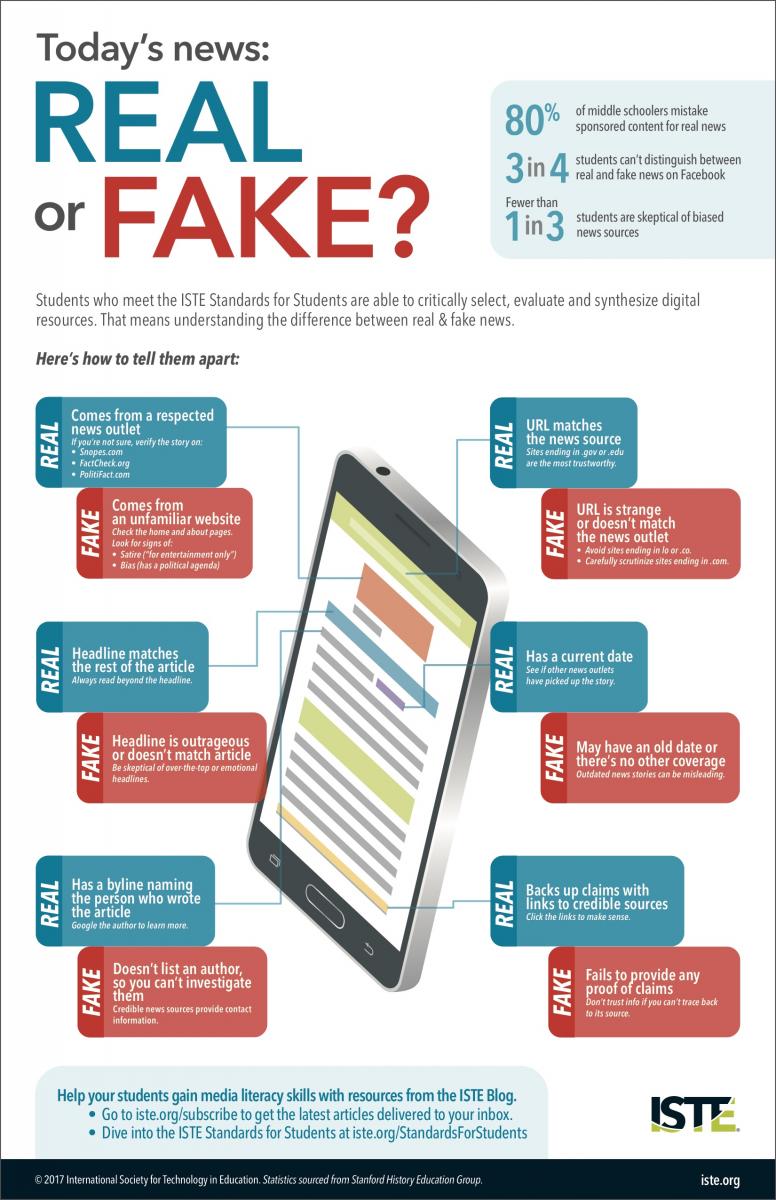
Users now approach content with suspicion first.
Common behaviors:
• “This is probably exaggerated”
• Checking comments before believing posts
• Assuming sponsored motives
• Distrusting viral content
Default skepticism is a rational response to the digital trust collapse.
Why Institutions Aren’t Trusted Either
The collapse extends beyond creators and platforms.
Institutions struggle because:
• Messaging changes frequently
• Communication feels defensive
• Errors aren’t acknowledged clearly
• Transparency feels selective
When authority hedges, confidence erodes.
How AI Accelerated the Trust Breakdown
AI didn’t start the problem—it scaled it.
Impacts include:
• Convincing fake text, images, and audio
• Content volume overwhelming verification
• Blurred lines between human and machine
• Lower cost of deception
AI made the digital trust collapse faster and harder to reverse.
What This Means for News, Brands, and Creators
Trust used to be assumed. Now it must be earned repeatedly.
Consequences:
• Higher proof burden for claims
• Shorter trust lifespans
• More scrutiny of motives
• Lower tolerance for mistakes
Audiences reward honesty—but punish inconsistency.
Why “Media Literacy” Alone Isn’t Enough
Education helps, but it can’t fix incentives.
Limits of literacy:
• Users lack time to verify everything
• Platforms still amplify the wrong signals
• Bad actors evolve faster than curricula
Solving the digital trust collapse requires systemic change, not just smarter users.
What Rebuilding Trust Would Actually Require
Trust won’t return through slogans.
Real fixes include:
• Slower, accuracy-first distribution
• Clear accountability for errors
• Transparent incentives
• Consequences for repeat deception
Without these, distrust remains the default.
How Individuals Are Adapting
People aren’t helpless—they’re adjusting.
Adaptive behaviors:
• Smaller, trusted information circles
• Preference for primary sources
• Reduced sharing
• Emotional detachment from headlines
Caution replaces confidence in the era of digital trust collapse.
Conclusion
The digital trust collapse is the defining internet shift of 2026. People still use digital platforms—but with guarded belief. This isn’t cynicism; it’s self-defense. Trust eroded because systems rewarded the wrong behaviors for too long.
Rebuilding trust will be slow and uncomfortable. Until then, skepticism isn’t a flaw—it’s the new literacy.
FAQs
What is digital trust collapse?
A widespread loss of confidence in online information, platforms, and sources.
Is misinformation the only cause?
No. Platform incentives, AI scaling, and inconsistent authority all contribute.
Can trust be rebuilt online?
Yes—but only with structural changes and accountability.
How are users responding to the collapse?
By becoming more skeptical, selective, and cautious.
What’s the biggest risk of prolonged distrust?
Disengagement—when people stop believing anything at all.
Click here to know more.