The 2026 smartphone launches India cycle is louder than ever—new names, bigger numbers, and endless “AI-powered” labels. But strip away the marketing and you’ll notice something uncomfortable: most phones are no longer evolving in many directions. They’re improving in very specific, repeatable ways.
This article breaks down the three upgrades that actually matter in 2026, the ones that affect daily use—not spec-sheet flexing. Everything else is mostly noise.
Why Smartphone Innovation Feels Slower (But Isn’t)
Phones aren’t stagnating—they’re consolidating.
Brands are no longer chasing:
-
Massive year-on-year speed jumps
-
Radical form changes
-
Experimental hardware risks
Instead, 2026 smartphone launches India focus on refinements that improve reliability, efficiency, and user comfort over time.
Upgrade #1: Camera Consistency, Not Megapixels
Megapixels stopped mattering years ago. Consistency is the real win.
What’s actually improving:
-
Better HDR balance across lighting conditions
-
Faster, more reliable autofocus
-
Cleaner night photos without over-processing
-
More natural skin tones
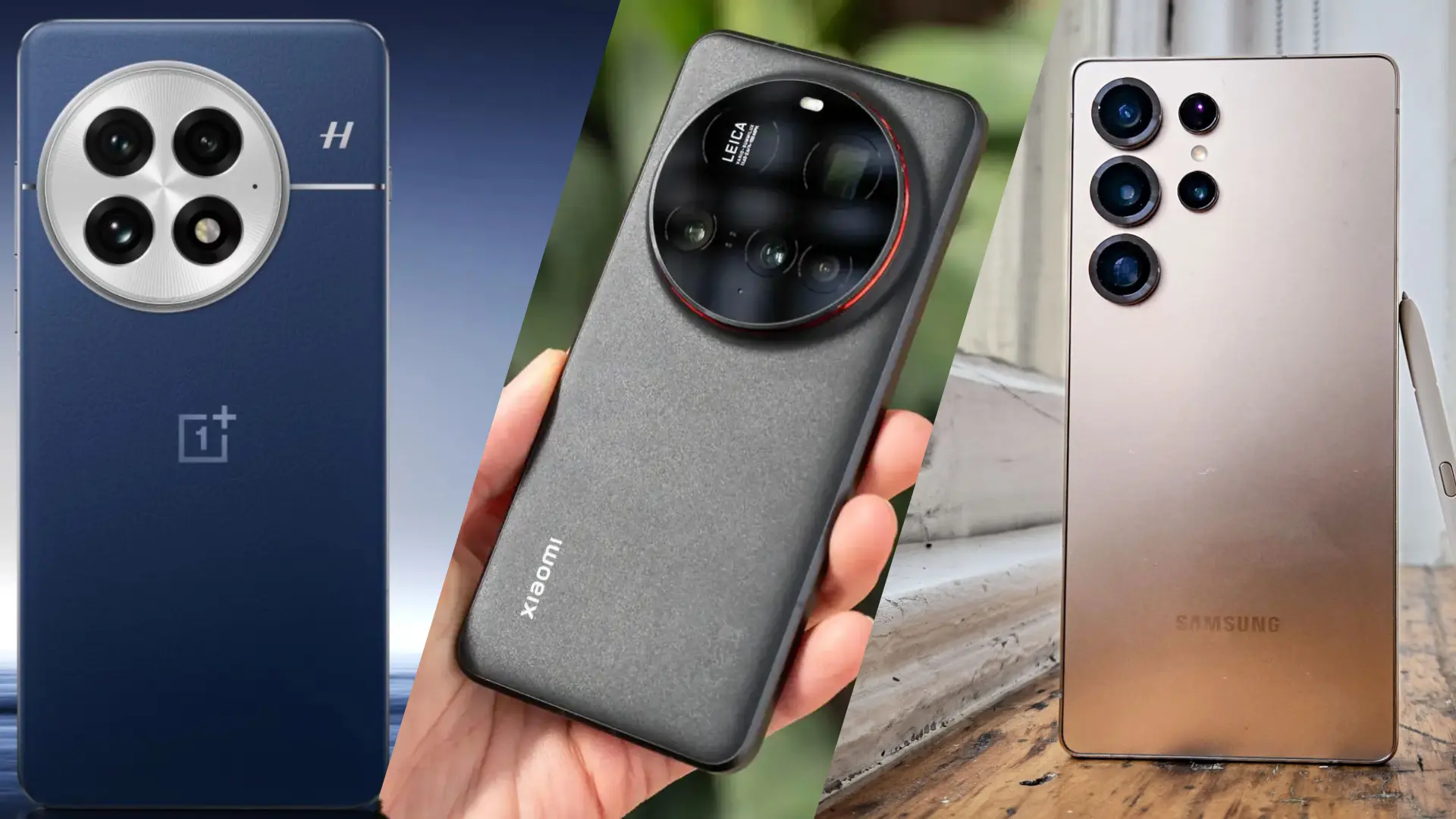
Brands like Xiaomi and other premium players are prioritizing predictable results over headline specs.

Why Camera Upgrades Now Feel “Subtle”
Because they’re solving real problems.
Instead of:
-
“Look how sharp this is”
The goal is:
-
“Every photo looks usable”
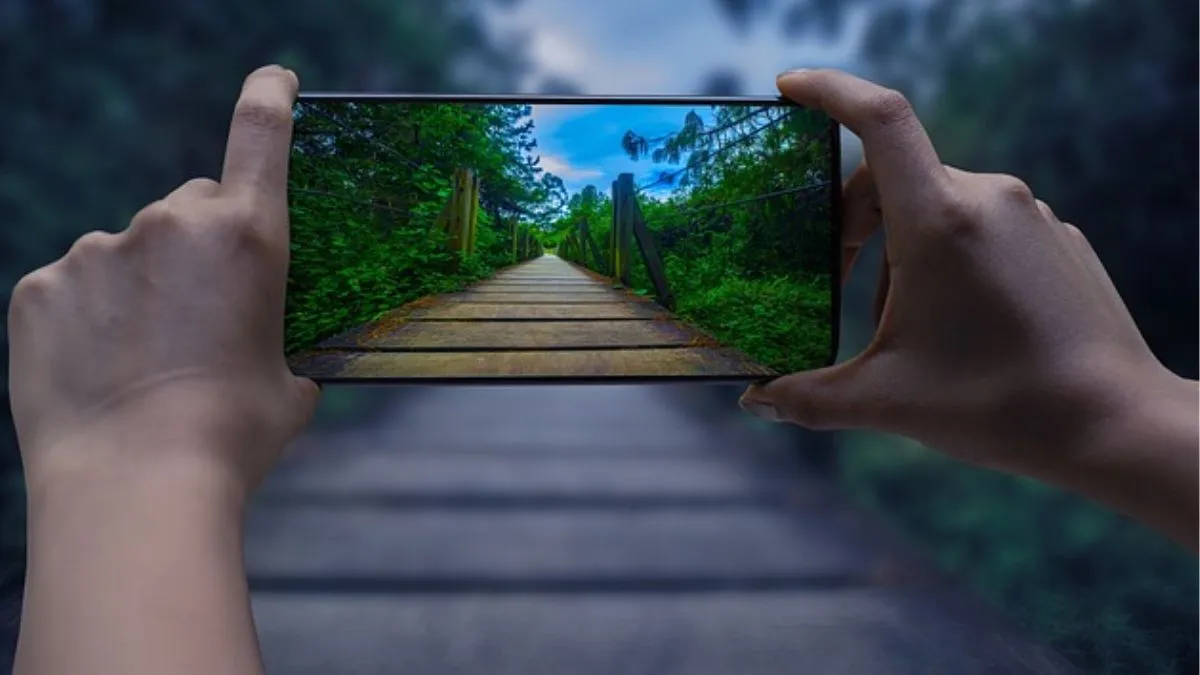
These camera upgrades reduce retakes, blur, and exposure errors—small improvements that add up daily.
Upgrade #2: Battery Efficiency Over Battery Size
Big batteries plateaued. Efficiency didn’t.
2026 phones focus on:
-
Better chip efficiency
-
Smarter background task control
-
Adaptive refresh rates
-
Optimized standby drain
This means similar battery sizes—but longer, more reliable day-long performance.
Why This Matters More Than Bigger mAh Numbers
Because real battery anxiety comes from:
-
Unexpected drain
-
Standby loss
-
Heating during use
Efficiency fixes these. Bigger batteries alone don’t.
Upgrade #3: Display Comfort, Not Just Brightness
Screens aren’t just brighter—they’re easier to live with.
Key improvements:
-
Better adaptive refresh scaling
-
Reduced eye strain modes
-
Improved outdoor readability without harsh brightness
-
More consistent color tuning
These upgrades matter during long scrolling, reading, and work sessions.
What Didn’t Meaningfully Improve in 2026
Some things sound exciting—but barely move the needle.
Overhyped areas:
-
Ultra-fast charging beyond practical needs
-
Minor benchmark gains
-
Cosmetic AI features
-
Experimental gestures most users disable
They sell phones—but don’t change daily experience.
Premium Phones vs Upper Midrange in 2026
The gap is shrinking fast.
Premium phones still offer:
-
Better camera reliability
-
Longer software support
-
Stronger resale value
But upper midrange phones now deliver:
-
80–90% of the same experience
-
Much better value
This makes buying decisions harder—and smarter.
How Brands Want You to Evaluate Phones
Brands push:
-
Big numbers
-
New labels
-
“First in segment” claims
Smart buyers focus on:
-
Comfort over hours
-
Consistency over peaks
-
Reliability over novelty
That’s the real 2026 shift.
Who Should Upgrade in 2026
Upgrading makes sense if:
-
Your current phone struggles with battery consistency
-
Camera reliability matters to you
-
Display comfort affects daily use
If your phone already handles these well, waiting is rational—not missing out.
What to Ignore During Launch Season
Ignore:
-
Launch-event hype
-
Influencer-first impressions
-
Early benchmark comparisons
Wait for real-world usage patterns to emerge.
Conclusion
The 2026 smartphone launches India cycle proves one thing: meaningful upgrades are quieter now. Camera consistency, battery efficiency, and display comfort define real progress. Everything else is optional flair. If you judge phones by how they feel over a full day—not how they sound on stage—you’ll make better upgrade decisions in 2026.
FAQs
What is the biggest smartphone upgrade in 2026?
Camera consistency and battery efficiency—not raw performance.
Are premium phones worth it in 2026?
Only if you value camera reliability and long-term support.
Do megapixels matter anymore?
No. Processing and consistency matter far more.
Is fast charging a key upgrade this year?
Beyond a point, no—it adds little daily value.
Click here to know more.