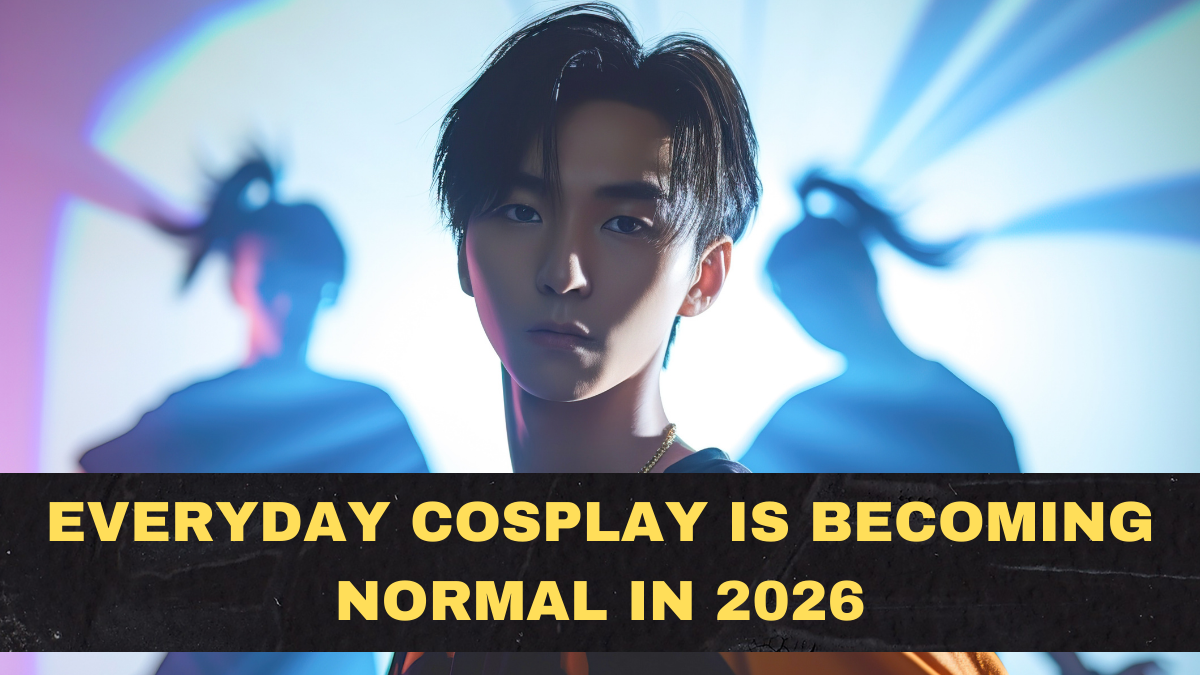
The rise of the everyday cosplay trend is quietly transforming how people dress, shop, and express identity in 2026. What once belonged only to conventions, costume events, and fan gatherings is now entering daily wardrobes. Subtle anime jackets, game-inspired sneakers, fantasy jewelry, and character-coded accessories are becoming normal streetwear.
This is not about wearing full costumes to work. It is about embedding fandom into everyday style in a way that feels personal, fashionable, and socially acceptable. Superfans are no longer hiding their interests. They are designing their identity around them.
In 2026, fandom is no longer a hobby. It is a lifestyle aesthetic.
Why Everyday Cosplay Suddenly Feels Normal
Several cultural shifts made this possible.
The biggest drivers include:
• Mainstream acceptance of gaming and anime
• Growth of creator culture
• Normalization of self-expression
• Social media identity building
• Remote and flexible work styles
People now dress for:
• Comfort
• Personality
• Community signaling
• Online visibility
Instead of hiding fandom, consumers now want:
• Subtle references
• Wearable symbols
• Recognizable codes
• Insider details
The everyday cosplay trend works because it blends belonging with individuality.
What Superfandom Fashion Actually Looks Like in 2026
This is not costume dressing. It is coded fashion.
Common elements include:
• Jackets inspired by anime characters
• Sneakers modeled after game heroes
• Jewelry based on fantasy symbols
• Color palettes tied to franchises
• Minimal logo references
The key features are:
• Wearable in public
• Stylish without explanation
• Recognizable to fans
• Invisible to outsiders
This creates a new language of style where clothing becomes a membership badge.
How Pop Culture Style Is Redefining Streetwear
Streetwear has always borrowed from culture.
Now culture is leading design.
Major influences include:
• Anime aesthetics
• Gaming silhouettes
• Fantasy symbolism
• Cyberpunk themes
• Superhero minimalism
Brands now design:
• Character-coded hoodies
• Lore-inspired patterns
• Power-color palettes
• Emblem accessories
Instead of copying logos, they translate:
• Mood
• Attitude
• Narrative
• Identity
Pop culture style is now a primary fashion engine, not a niche inspiration.
Why Gen Z Is Driving This Movement
Gen Z leads this trend because identity is central to their culture.
They value:
• Authentic self-expression
• Community belonging
• Digital identity alignment
• Personal storytelling
• Emotional symbolism
They prefer:
• Clothes with meaning
• Items with references
• Pieces that signal taste
• Fashion that tells stories
For Gen Z, dressing is not about status.
It is about alignment with who they are online and offline.
This generation treats fandom as identity, not entertainment.
How Social Media Turned Fandom Into Fashion Currency
Platforms accelerated this shift.
Key dynamics include:
• Outfit-of-the-day culture
• Cosplay micro-content
• Anime street fashion reels
• Gaming aesthetic hashtags
• Influencer fandom styling
Creators now build brands around:
• Character-inspired looks
• Lore-based wardrobes
• Themed outfit series
• Franchise-coded styling
This visibility:
• Normalizes fandom fashion
• Creates trend cycles
• Drives merch demand
• Influences retail design
In 2026, fashion trends often originate inside fandom communities before reaching mainstream retail.
Why Merch Is Becoming Wearable, Not Collectible
Traditional merch was:
• Logo-heavy
• Costume-like
• Event-specific
• Niche
Modern merch is:
• Fashion-first
• Subtle
• Everyday wearable
• Style-driven
Brands now focus on:
• Premium fabrics
• Minimal branding
• Tailored fits
• Neutral palettes
• Symbolic details
This allows fans to:
• Wear fandom daily
• Blend into social settings
• Express identity quietly
• Avoid costume stigma
Merch is no longer memorabilia.
It is wardrobe infrastructure.
How Luxury and Designer Brands Are Joining the Trend
High fashion is now embracing superfandom.
Examples include:
• Anime collaborations
• Game-inspired collections
• Fantasy motifs
• Character capsule lines
• Limited fandom drops
Luxury brands benefit because:
• Fandom communities are loyal
• Drop culture drives scarcity
• Storytelling adds value
• Youth audiences engage deeply
In 2026, fandom collaborations are not novelty.
They are strategic growth channels.
Pop culture style now sits comfortably beside luxury fashion.
Why Everyday Cosplay Builds Stronger Brand Loyalty
This trend creates emotional attachment.
Fans buy:
• Not just products
• But identity markers
• Community signals
• Personal symbols
This leads to:
• Higher loyalty
• Repeat purchases
• Collecting behavior
• Social sharing
• Long brand lifecycles
Unlike trends driven by color or cut, fandom-based fashion is anchored in:
• Stories
• Characters
• Emotional memory
• Personal history
That makes the everyday cosplay trend unusually durable.
How Retail Is Adapting to This New Buyer Profile
Retailers are changing layouts and merchandising.
New strategies include:
• Fandom-inspired collections
• Themed displays
• Collaboration sections
• Character-coded racks
• Event-driven launches
Stores now host:
• Anime pop-ups
• Game launch fashion drops
• Cosplay styling corners
• Creator collabs
Retail is becoming:
• Experience-driven
• Community-oriented
• Story-based
Shopping is no longer just transactional.
It is participation in culture.
Why This Trend Will Expand Beyond Anime and Gaming
The model now spreads to:
• Music fandoms
• Film universes
• Sports culture
• Online creators
• Virtual influencers
We will see:
• Album-coded fashion
• Streamer-inspired fits
• Character-core aesthetics
• Narrative wardrobes
As digital identity grows, fashion becomes:
• A translation layer
• Between online and offline selves
Everyday cosplay is simply the first visible form of this deeper identity-fashion merge.
Conclusion
The rise of the everyday cosplay trend shows how completely fandom has moved from subculture to mainstream identity in 2026. Clothing is no longer just about fashion. It is about signaling belonging, expressing personality, and carrying stories into daily life.
By blending superfandom fashion with pop culture style, consumers are building wardrobes that reflect who they are, what they love, and which communities they belong to.
In this new era, cosplay is no longer an event.
It is how people live, dress, and express themselves every day.
And that makes fandom one of the most powerful forces shaping fashion today.
FAQs
What is the everyday cosplay trend?
It is the practice of wearing subtle fandom-inspired clothing and accessories as part of everyday fashion rather than full costumes.
Which fandoms influence this trend most?
Anime, gaming, fantasy franchises, superheroes, and online creator communities drive most of the influence.
Is everyday cosplay socially accepted now?
Yes. In 2026, fandom fashion is widely accepted in casual, creative, and even semi-formal settings.
How is this different from traditional cosplay?
Traditional cosplay uses full costumes, while everyday cosplay uses subtle, wearable elements integrated into normal outfits.
Will this trend continue beyond 2026?
Yes. As identity expression and digital culture grow, fandom-based fashion is expected to expand across multiple industries.
Click here to know more.