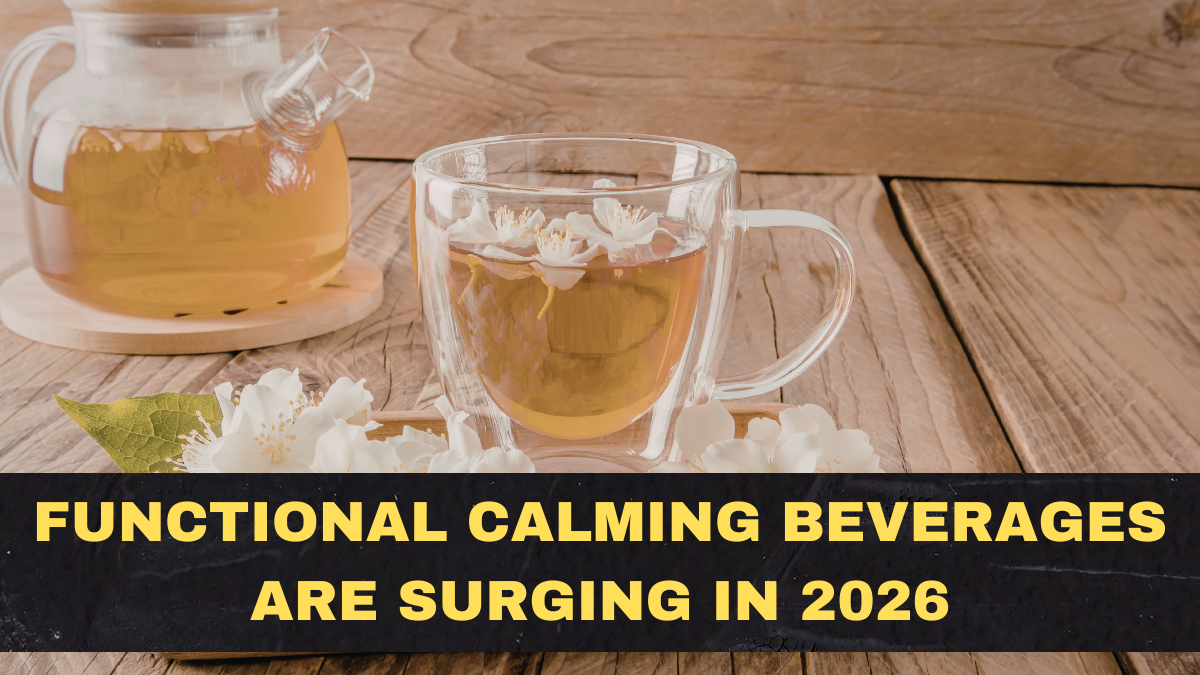
The rapid rise of functional calming beverages is one of the clearest wellness signals of 2026. Across cafes, supermarkets, gyms, and online stores, shelves are filling with drinks promising calm, focus, better sleep, and stress relief. These are not herbal teas or sugary sodas. They are carefully formulated stress drinks built around adaptogens, nootropics, magnesium blends, and botanical extracts.
What makes this trend powerful is not novelty. It is necessity. Modern life is faster, louder, and more mentally demanding than ever. Instead of reaching for alcohol, sleeping pills, or energy crashes, consumers are now choosing beverages designed to regulate mood and nervous systems naturally.
In 2026, hydration is no longer just about thirst. It is about emotional regulation.
Why Functional Calming Beverages Are Growing So Fast
The demand surge is driven by lifestyle pressure.
Key factors include:
• Rising workplace stress
• Remote and hybrid work fatigue
• Screen overload
• Sleep disruption
• Anxiety normalization
People now seek:
• Gentle relaxation without sedation
• Calm without alcohol
• Focus without caffeine crashes
• Wellness without prescription drugs
Functional calming beverages offer:
• Fast delivery
• Habit compatibility
• Social acceptability
• Low stigma
This makes them easier to adopt than supplements or medications.
What Ingredients Power Stress Drinks in 2026
Modern calming drinks are carefully engineered.
The most common ingredients include:
• Ashwagandha for cortisol regulation
• L-theanine for focus and calm
• Magnesium for nervous system support
• Chamomile and lemon balm for relaxation
• Reishi and lion’s mane mushrooms
• GABA and glycine blends
These formulas aim to:
• Reduce stress response
• Improve sleep quality
• Stabilize mood
• Support cognitive calm
Unlike sedatives, they work subtly over time.
This is why functional calming beverages fit daily routines instead of crisis moments.
How Adaptogens Changed Beverage Formulation
Adaptogens transformed the category.
They offer:
• Non-addictive stress regulation
• Long-term nervous system support
• Hormonal balance benefits
• Daily consumption safety
Common adaptogens in 2026 include:
• Ashwagandha
• Rhodiola
• Holy basil
• Schisandra
• Cordyceps
These allow beverages to claim:
• Stress resilience
• Energy stability
• Mental clarity
• Emotional balance
Without:
• Sugar overload
• Artificial stimulants
• Pharmaceutical effects
This balance explains why stress drinks now appeal to mainstream consumers.
Why Alcohol Replacement Is a Major Growth Driver
One of the biggest forces behind this boom is alcohol reduction.
Many consumers are:
• Drinking less
• Avoiding hangovers
• Prioritizing sleep
• Managing anxiety
• Choosing sobriety-curious lifestyles
Functional calming beverages now replace:
• Evening wine
• Post-work cocktails
• Nightcap routines
They offer:
• Ritual without intoxication
• Relaxation without impairment
• Social drinking without alcohol
In 2026, calm beverages are becoming the new happy hour.
How Retail Is Creating Dedicated Calm Zones
Retailers are redesigning shelves.
New layouts include:
• Relaxation beverage sections
• Sleep support drink zones
• Mood support displays
• Functional wellness aisles
Placement often targets:
• Evening shopping hours
• Near supplements
• Next to teas and waters
• Checkout impulse wellness
This framing positions calming drinks as:
• Daily wellness tools
• Lifestyle choices
• Habit products
Not niche supplements.
Why Younger Consumers Are Leading This Shift
Gen Z and Millennials dominate this category.
They value:
• Mental health awareness
• Therapy culture
• Emotional regulation
• Functional nutrition
• Habit tracking
They prefer:
• Natural solutions
• Low side effects
• Social-friendly products
• Clean labels
Instead of hiding stress, they manage it proactively.
Functional calming beverages match:
• Self-care routines
• Wellness aesthetics
• Social media culture
• Work-from-anywhere lifestyles
This alignment fuels organic adoption.
How Brands Are Positioning Calm as Performance
Interestingly, calm is now framed as productivity.
Brands promote:
• Focus drinks for meetings
• Stress relief for creatives
• Sleep drinks for recovery
• Anxiety blends for presentations
The narrative has shifted from:
• Relaxation as weakness
To:
• Calm as competitive advantage
In 2026, emotional regulation is positioned as:
• Career skill
• Cognitive enhancer
• Health strategy
• Lifestyle upgrade
This reframing expands the market far beyond wellness niches.
Why Taste and Texture Matter More Than Claims
Early stress drinks failed because they tasted medicinal.
Modern winners focus on:
• Refreshing flavors
• Smooth textures
• Light carbonation
• Clean aftertaste
• Premium mouthfeel
They resemble:
• Sparkling waters
• Iced teas
• Juice blends
• Mocktails
Consumers do not want to feel like:
• They are taking medicine
They want:
• Pleasure with function
This sensory improvement unlocked mass adoption.
How Regulation and Trust Are Shaping the Category
As the market grows, scrutiny increases.
Key trust factors now include:
• Transparent ingredient dosages
• Clinical backing claims
• Clean label positioning
• Sugar control
• Third-party testing
Brands that exaggerate effects face:
• Regulatory pressure
• Consumer backlash
• Retail delisting
In 2026, the winning products are:
• Subtle
• Credible
• Habit-forming
• Scientifically grounded
Not miracle promises.
Why This Category Will Keep Expanding
Long-term forces support growth:
• Chronic stress prevalence
• Mental health normalization
• Declining alcohol consumption
• Functional nutrition adoption
• Workplace wellness culture
Future innovations will include:
• Personalized calm blends
• Circadian-timed drinks
• Mood tracking integration
• AI-formulated beverages
• Hybrid focus-calm products
Functional calming beverages are not a fad.
They are infrastructure for modern life.
Conclusion
The rise of functional calming beverages reflects how deeply wellness priorities have shifted in 2026. Consumers no longer want stimulation at all costs. They want balance, clarity, and emotional stability woven into daily routines.
By combining adaptogens, modern nutrition science, and appealing flavors, stress drinks are becoming a mainstream solution for managing pressure without pharmaceuticals or alcohol.
In this new era, hydration is no longer passive.
It is active mental care.
And that makes calm one of the most valuable commodities of the decade.
FAQs
What are functional calming beverages?
They are drinks formulated with adaptogens, minerals, and botanicals designed to reduce stress, improve calm, and support mental wellness.
Do stress drinks make you sleepy?
Most do not. They promote relaxation and focus without sedation, depending on the formula.
Are adaptogens safe for daily use?
Yes, most adaptogens are safe for regular consumption when used at recommended dosages.
Why are people replacing alcohol with calming drinks?
Because they want relaxation without hangovers, sleep disruption, or impairment.
Will this trend continue after 2026?
Yes. Long-term stress patterns and wellness culture make this a durable category.
Click here to know more.