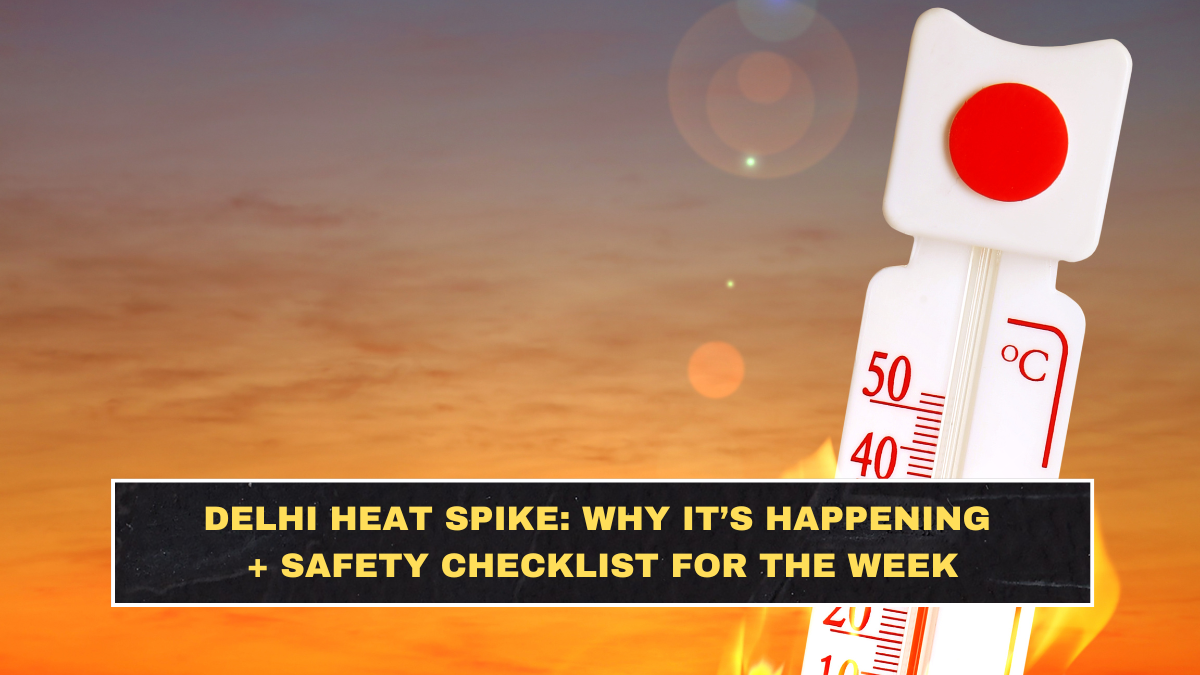
Delhi and surrounding regions in North India have been experiencing an early surge in temperatures during March 2026, raising concerns about a possible early-season heatwave. According to meteorological observations and seasonal weather patterns, sudden temperature spikes during late winter or early spring can occur when western disturbances weaken and dry continental winds dominate northern India.
These weather changes can push daytime temperatures significantly above seasonal averages. The situation is particularly important for urban regions like Delhi where heat retention from buildings, roads, and pollution levels often makes temperatures feel even higher than official readings.
Current Temperature Trend in Delhi
Meteorological data shows that temperature fluctuations in Delhi during March can vary widely depending on wind direction and cloud cover. However, the recent spike has been notable due to clear skies, low humidity, and strong solar radiation during daytime hours.
| Weather Parameter | Typical Early March Average | Recent Observed Trend |
|---|---|---|
| Day Temperature | 27°C – 30°C | 32°C – 35°C |
| Night Temperature | 14°C – 17°C | 17°C – 20°C |
| Humidity Levels | 40% – 50% | 25% – 35% |
| Wind Direction | Western disturbance influence | Dry north-west winds |
These shifts create warmer afternoons and slightly higher nighttime temperatures, increasing overall heat stress.
Why Delhi Is Heating Up Early
Several meteorological factors contribute to early heat spikes in North India. One key reason is the reduced frequency of western disturbances, which normally bring cooler winds and occasional cloud cover from Central Asia and the Mediterranean region.
When these weather systems weaken, Delhi receives stronger sunlight and drier air masses, allowing temperatures to rise quickly during daytime hours.
Urban heat island effects also play a role. Dense infrastructure in large cities absorbs heat during the day and slowly releases it during the night. This process causes metropolitan areas to remain warmer than nearby rural regions.
Early Signs of Heatwave Conditions
The India Meteorological Department (IMD) defines a heatwave when maximum temperatures exceed normal seasonal values by a significant margin or cross specific thresholds. Early warning signs often appear several days before official heatwave declarations.
| Indicator | What It Means |
|---|---|
| Consecutive high daytime temperatures | Heat building over multiple days |
| Dry winds from northwest | Reduced cooling moisture |
| Clear skies | Increased solar heating |
| Rising night temperatures | Heat trapped in urban areas |
Monitoring these indicators helps authorities prepare advisories for residents.
Health Risks During Sudden Temperature Spikes
Rapid temperature increases can create health challenges, particularly for children, elderly individuals, and outdoor workers. Heat stress can develop when the body struggles to regulate its internal temperature under prolonged exposure to hot conditions.
Common symptoms of heat-related illness include:
-
Excessive sweating
-
Dehydration
-
Fatigue or dizziness
-
Headaches or nausea
-
Rapid pulse or weakness
If these symptoms worsen, they may lead to heat exhaustion or heat stroke, which require immediate medical attention.
Heatwave Safety Checklist
Preparing for rising temperatures can significantly reduce health risks. Simple daily precautions often make the biggest difference during early heatwave periods.
| Safety Step | Why It Helps |
|---|---|
| Drink water frequently | Prevents dehydration |
| Avoid outdoor activity during peak afternoon | Reduces heat exposure |
| Wear light-colored clothing | Reflects sunlight |
| Keep homes ventilated | Improves indoor cooling |
| Use sunscreen outdoors | Protects against strong UV exposure |
Employers and schools are also advised to adjust schedules during extreme heat conditions.
What the Weather Outlook Suggests for the Week
Weather forecasts suggest that temperatures may remain above average for several days before stabilizing. Occasional cloud cover or minor weather disturbances can temporarily moderate heat levels, but daytime temperatures are expected to remain relatively high during clear-sky conditions.
Residents should stay updated through official weather bulletins and follow local advisories if heatwave warnings are issued.
Conclusion
Delhi’s early March heat spike highlights how rapidly weather patterns can shift in North India. Reduced western disturbances, dry winds, and urban heat retention have contributed to rising temperatures across the region. While the current conditions may not yet qualify as a full heatwave, staying prepared with hydration, reduced outdoor exposure, and basic heat safety measures can help residents manage the unusually warm weather safely.
Frequently Asked Questions
What temperature is considered a heatwave in Delhi?
A heatwave is typically declared when temperatures exceed normal seasonal levels by a significant margin or cross defined thresholds set by the India Meteorological Department.
Why is Delhi getting hotter earlier in the year?
Reduced western disturbances, dry air currents, and clear skies allow more solar heating, which can push temperatures higher earlier in the season.
Who is most vulnerable during heat spikes?
Children, elderly individuals, outdoor workers, and people with health conditions are generally more vulnerable to heat-related illnesses.
How can people stay safe during hot weather?
Drinking sufficient water, avoiding direct sun during peak afternoon hours, and wearing breathable clothing can reduce heat exposure.
Are early heat spikes becoming more common?
Meteorologists have observed more frequent temperature fluctuations in recent years due to changing climate patterns and urbanization.