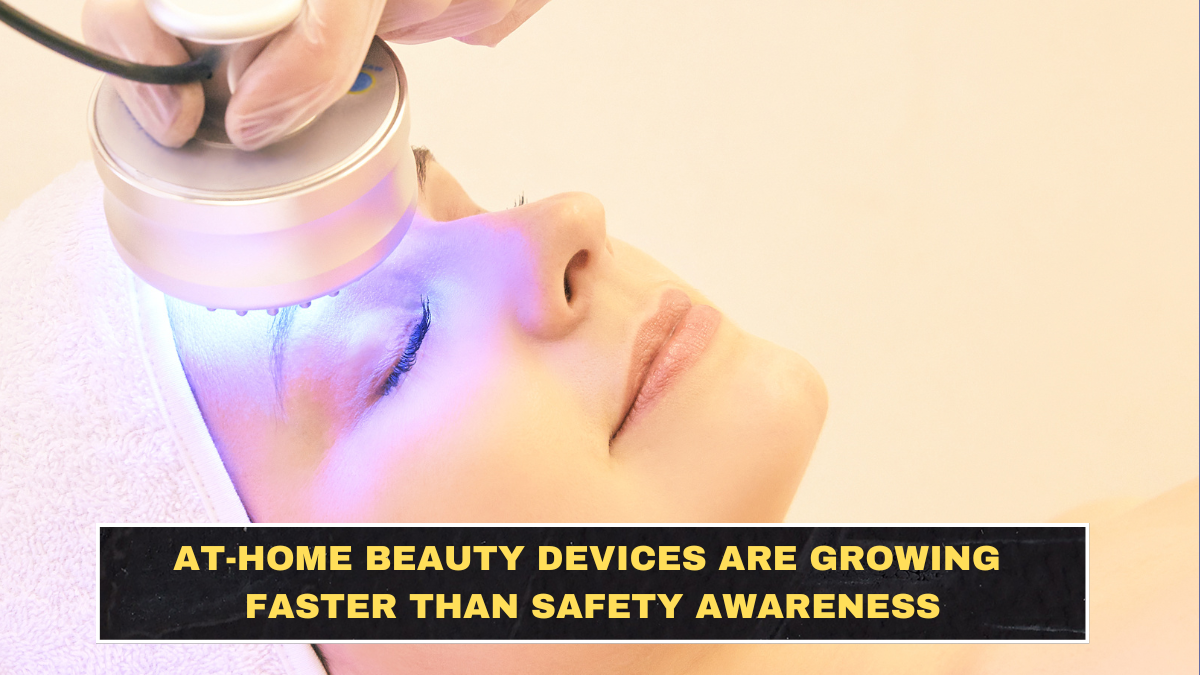
At-home beauty devices are selling the idea that professional-looking results can now happen in your bedroom. That sounds convenient, but the safety gap is real. Dermatologists and regulators are warning that some popular tools, especially microneedling and energy-based devices, can cause burns, scarring, nerve injury, pigment changes, and infection when used wrongly or used by the wrong person. The FDA issued a 2025 safety communication warning about serious complications from radiofrequency microneedling, including burns, scarring, fat loss, disfigurement, and nerve damage.
The problem is that buyers often treat all devices as equally harmless. They are not. An LED mask is not the same risk category as a home microneedling pen, and neither should be treated like a cheap face roller from an online marketplace. The American Academy of Dermatology says cosmetic procedures may look easy, but safe treatment requires in-depth knowledge of the skin and underlying anatomy.
Why safety awareness is lagging
The market is moving faster than consumer understanding. Recent reporting shows the home-beauty trend has moved beyond simple cleansing brushes and LED masks into stronger tools like microneedling pens, radiofrequency devices, and acid-based treatment kits. That is where people get reckless. They assume “home-use” means “hard to mess up,” which is obviously false.
Another blind spot is skin tone and skin condition. A 2025 dermatology review noted that safety concerns can be more pronounced in darker skin tones with some at-home IPL devices because of a higher risk of post-inflammatory hyperpigmentation.
Which devices carry the biggest risks
| Device type | Main concern | Why caution matters |
|---|---|---|
| RF microneedling | Burns, scarring, nerve damage | FDA flagged serious complications |
| Home microneedling pens/rollers | Infection, skin injury, worsening irritation | Needling breaks the skin barrier |
| IPL / laser hair devices | Eye injury, burns, pigment changes | Light-based devices can injure skin and eyes |
| LED masks / red light devices | Usually lower risk, but not risk-free | Wrong claims and misuse are common; light-sensitive users need caution |
What buyers should check before using any device
Most buyers focus on promises, not proof. That is backwards. Before buying, check:
- whether the device is FDA-cleared if sold in the U.S. market
- whether it is actually meant for home use, not copied from clinic tools
- whether your skin condition, medications, or sensitivity make it a bad fit
- whether the instructions include eye protection, hygiene, and stop-use warnings
A device being popular online means nothing. Virality is not evidence. A badly used device can leave longer-lasting damage than the original skin concern.
Who should be especially careful
Some people should not be experimenting casually. Extra caution is needed if you:
- have darker skin prone to hyperpigmentation
- have eczema, rosacea, active acne inflammation, or broken skin
- are using photosensitizing medicines or have a light-sensitive condition
- want aggressive results that normally require a clinic-level procedure
What is relatively safer and what is not
Lower-risk devices do exist. Some red-light and LED devices may be reasonable for certain users when the device is legitimate and the instructions are followed carefully. The AAD notes evidence for low-level laser therapy in hereditary hair loss, while Harvard Health says users should look for FDA-cleared devices and avoid use with light-sensitive conditions. But “safer” does not mean “safe for everyone” or “works like a clinic procedure.”
Conclusion
At-home beauty devices are growing faster than safety awareness because the market rewards convenience and hype, not careful judgment. The biggest mistake buyers make is assuming all home devices are mild. They are not. The smarter approach is to treat any device that uses needles, heat, light, or radiofrequency as something that can genuinely injure you if used badly.
FAQs
1. Are at-home beauty devices safe?
Some are relatively low risk, but safety depends on the device type, your skin, and whether you follow proper instructions. Stronger tools like RF microneedling and some light-based devices carry more serious risks.
2. Which home beauty devices are riskiest?
RF microneedling, home microneedling pens, and some IPL or laser devices raise the biggest concerns because they can damage skin or eyes and may cause permanent complications.
3. Is “FDA-cleared” important?
Yes. It is one useful safety signal, especially in the U.S. market, though it still does not mean the device is right for every user or condition.
4. When should someone avoid using these devices at home?
They should be more cautious or avoid them if they have sensitive skin conditions, darker skin prone to pigment issues, light sensitivity, or if they are trying to copy clinic-level procedures at home.