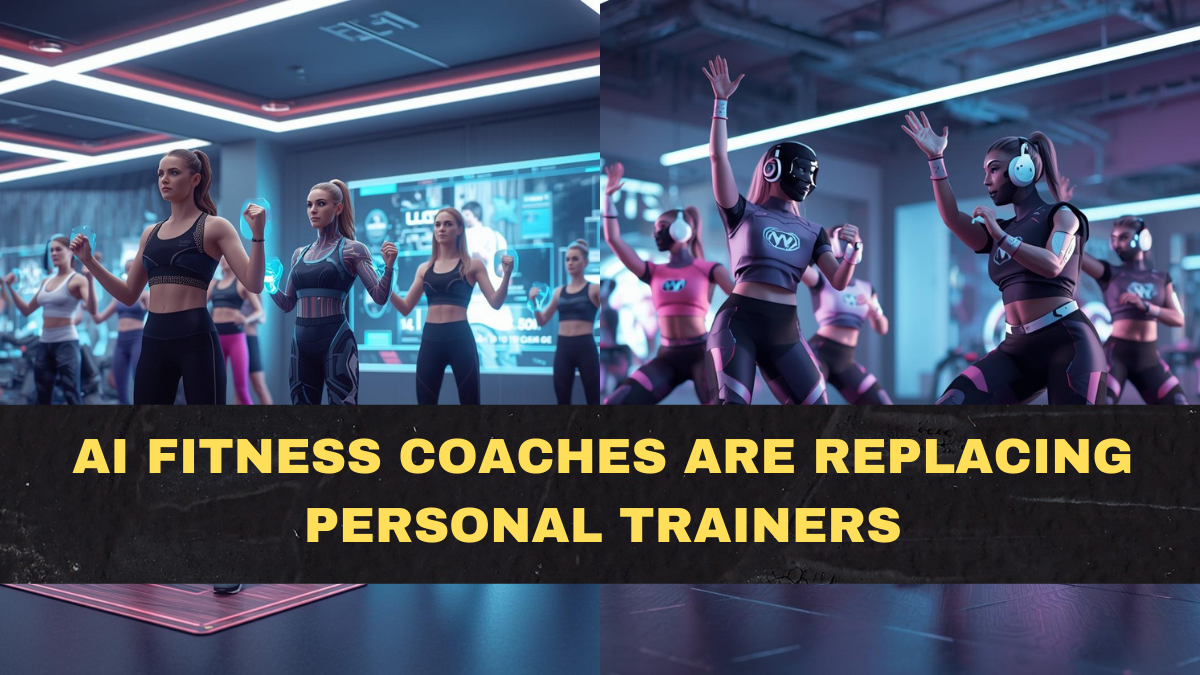
In 2026, hiring a personal trainer is no longer the default path to getting fit. AI powered fitness coaching has stepped in as a cheaper, always-available, and data-driven alternative that many people now prefer. Instead of fixed schedules and generic plans, fitness guidance is becoming adaptive, personalized, and embedded into daily routines through apps and wearables.
This shift doesn’t mean humans have lost relevance—it means expectations have changed. With fitness AI delivering smart workouts in real time, people are rethinking what they actually need from a trainer.
What AI Powered Fitness Coaching Really Is
AI powered fitness coaching uses algorithms, sensors, and behavioral data to guide workouts without a human trainer present.
These systems typically provide:
• Personalized workout plans
• Real-time form feedback
• Adaptive difficulty levels
• Recovery and rest recommendations
• Progress tracking based on performance
The coach is no longer a person—it’s a system that learns continuously.
Why Smart Workouts Are More Effective Than Static Plans
Traditional training plans assume consistency. Real life doesn’t.
Smart workouts adjust because they:
• Respond to fatigue and recovery
• Adapt to missed sessions
• Modify intensity automatically
• Align workouts with daily energy levels
Instead of punishment for inconsistency, the system adapts intelligently.
How Fitness AI Learns Your Body
Fitness AI relies on feedback loops rather than assumptions.
It learns from:
• Workout performance data
• Heart rate and movement patterns
• Sleep and recovery metrics
• User feedback and compliance
• Long-term progress trends
Over time, workouts feel tailored rather than assigned.
Why People Are Choosing AI Over Human Trainers
The decision is often practical, not emotional.
People choose AI powered fitness coaching because:
• It’s available anytime
• Costs are predictable and lower
• No social pressure or judgment
• Progress is data-driven
For many, consistency matters more than motivation speeches.
Where Human Trainers Are Losing Ground
Human trainers struggle to compete on availability and scalability.
Challenges include:
• Limited scheduling flexibility
• High recurring costs
• One-size-fits-all programs
• Inconsistent tracking
AI doesn’t replace expertise—it replaces inefficiency.
Where Human Trainers Still Win
AI isn’t superior in every situation.
Human trainers excel at:
• Emotional motivation
• Injury rehabilitation guidance
• Complex movement correction
• Accountability through relationship
The future isn’t replacement—it’s specialization.
How Wearables Accelerated AI Fitness Adoption
Wearables turned bodies into data sources.
They enable:
• Real-time biometric feedback
• Accurate intensity measurement
• Recovery-based planning
• Continuous performance monitoring
Fitness AI improves because data never stops flowing.
Risks and Limitations of AI Fitness Coaching
Automation has limits.
Concerns include:
• Overtraining due to algorithm error
• Limited injury detection
• Over-reliance on metrics
• Reduced body awareness
Human judgment still matters when pain replaces discomfort.
Why Beginners Feel More Comfortable With AI
Many beginners avoid gyms due to fear or embarrassment.
AI fitness coaching helps because:
• There’s no observation anxiety
• Progress feels private
• Mistakes don’t feel judged
• Learning happens gradually
Confidence builds before exposure.
How Fitness AI Is Changing Fitness Culture
Fitness culture is shifting from aesthetics to performance.
Changes include:
• Focus on metrics over appearance
• Consistency over intensity
• Recovery as part of training
• Personal benchmarks over comparison
The mirror matters less than the data.
What This Means for the Future of Training
Training is becoming embedded, not scheduled.
By late 2026:
• AI handles daily fitness decisions
• Human trainers focus on high-touch needs
• Fitness becomes adaptive and sustainable
• Data replaces guesswork
Training becomes a system, not an appointment.
Conclusion
AI powered fitness coaching is redefining how people train, recover, and stay consistent. Through smart workouts driven by fitness AI, guidance becomes continuous, affordable, and personalized. Human trainers aren’t disappearing—but their role is changing.
In 2026, the most effective coach isn’t always standing next to you. Sometimes, it’s learning from you.
FAQs
What is AI powered fitness coaching?
It’s the use of AI to deliver personalized workout guidance without a human trainer.
Are AI fitness coaches effective?
Yes, especially for consistency, progress tracking, and adaptive planning.
Can AI replace personal trainers completely?
No. Human trainers remain essential for motivation, injuries, and complex needs.
Do smart workouts adjust automatically?
Yes. They adapt based on performance, recovery, and user behavior.
Is AI fitness coaching safe?
Generally yes, but users should listen to their bodies and avoid ignoring pain.