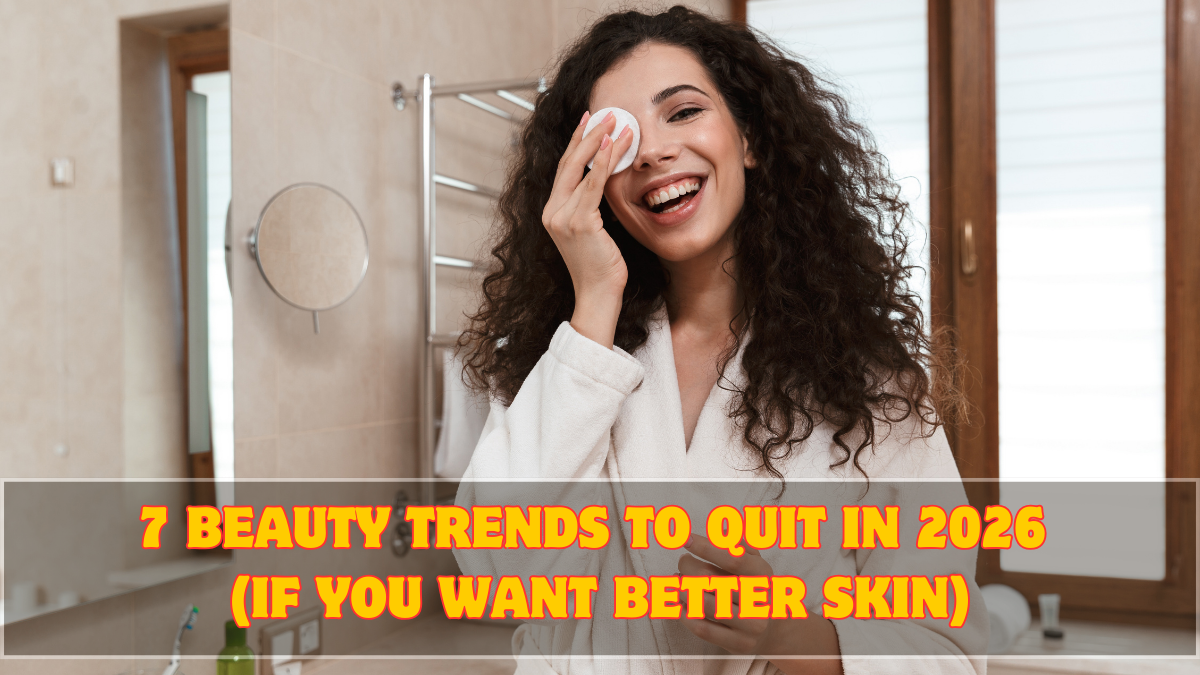
The most important beauty move in 2026 isn’t trying something new—it’s stopping what’s quietly damaging your skin. Many viral routines look impressive on reels but create long-term skin damage, sensitivity, and dependence cycles. If your skin feels “moody,” reactive, or only good for two days after a routine reset, this list is for you.
Below are the beauty trends to quit 2026—not because they’re unpopular, but because they don’t work for real skin in real life.
Over-Layering Everything (More ≠ Better)
Over-layering is still everywhere—and it’s still harmful.
Why it fails:
• Ingredient clashes
• Increased irritation
• Barrier overload
• Reduced absorption
Skin can process only so much. Stacking products doesn’t multiply results—it multiplies stress.
Using Too Many Actives at Once
This is the fastest way to break your skin.
Common mistakes with too many actives:
• Acids + retinoids together
• Daily exfoliation “because glow”
• No recovery days
Actives are tools, not daily entertainment. Overuse equals inflammation.
Wasteful Routines Built for Content, Not Skin
If a routine exists mainly to look aesthetic, it’s probably wasteful.
Red flags:
• 10+ steps with overlapping functions
• Products bought for packaging, not purpose
• Constant routine switching
Wasteful routines drain money and weaken consistency—both hurt skin.
Daily Exfoliation as a “Glow Hack”
Exfoliation isn’t glow insurance.
Why daily exfoliation causes skin damage:
• Thins protective layers
• Triggers breakouts
• Increases pigmentation risk
Exfoliation should support skin—not strip it.
Harsh Cleansers for “Deep Cleaning”
That tight feeling after washing is damage—not cleanliness.
Problems with harsh cleansers:
• Oil stripping
• Barrier breakdown
• Rebound oiliness
Clean doesn’t mean aggressive.
Copy-Pasting Influencer Routines
Your skin isn’t an algorithm.
Why this fails:
• Different climates
• Different skin barriers
• Different lifestyles
What works on camera doesn’t always work on your face.
Chasing Instant Results Over Skin Health
Fast results often mean long-term problems.
Short-term glow often hides:
• Inflammation
• Barrier disruption
• Dependency on actives
Healthy skin improves quietly—not overnight.
Why Quitting Trends Improves Skin Faster
Stopping damage allows repair.
When you quit harmful trends:
• Irritation reduces
• Breakouts calm down
• Products start working again
Removal is often more powerful than addition.
What to Do Instead in 2026
Replace chaos with structure.
Better approach:
• Fewer products
• Clear purpose per step
• Recovery-focused routines
Skin thrives on predictability.
How to Detox Your Routine Without Panic
Don’t stop everything at once.
Smart reset:
• Pause actives for 2 weeks
• Keep cleanser + moisturiser + sunscreen
• Reintroduce slowly
This prevents shock reactions.
Signs a Trend Is Hurting Your Skin
Watch for:
• Burning or stinging
• Sudden sensitivity
• Breakouts after “glow days”
• Skin feeling dependent on products
These aren’t adjustment phases—they’re warnings.
Why 2026 Is the Year of Subtraction
People are tired.
2026 beauty trends favour:
• Skin barrier respect
• Minimalism
• Long-term comfort
Trends that cause damage won’t survive.
Who Needs to Quit These Trends Immediately
You should stop now if:
• Your skin reacts easily
• You’re dealing with acne or pigmentation
• You feel stuck in a routine loop
Less fixes more than you think.
Why Dermatologists Keep Repeating the Same Advice
Because it works.
Dermatologists recommend:
• Gentle cleansing
• Moisturising consistently
• Sunscreen daily
The boring basics outperform viral routines.
What Actually Improves Skin in the Long Run
Consistency beats intensity.
Long-term wins come from:
• Barrier repair
• Sun protection
• Fewer disruptions
Skin health compounds—damage does too.
Conclusion
The smartest beauty move in 2026 is quitting what doesn’t serve your skin. These beauty trends to quit 2026—over-layering, too many actives, wasteful routines, and aggressive habits—cause more harm than glow. When you stop stressing your skin, it starts repairing itself naturally.
Better skin doesn’t need more trends. It needs fewer mistakes.
FAQs
Why should I quit over-layering skincare products?
Because layering too many products increases irritation and weakens the skin barrier.
Are actives bad for skin?
No—but using too many actives too often causes damage.
How do I know if a beauty trend is harming my skin?
Burning, sensitivity, breakouts, or dependency are warning signs.
Should I stop my routine completely to reset skin?
No. Keep basics and pause actives gradually.
What’s the safest beauty approach for 2026?
Minimal, barrier-focused routines with consistent sunscreen use.