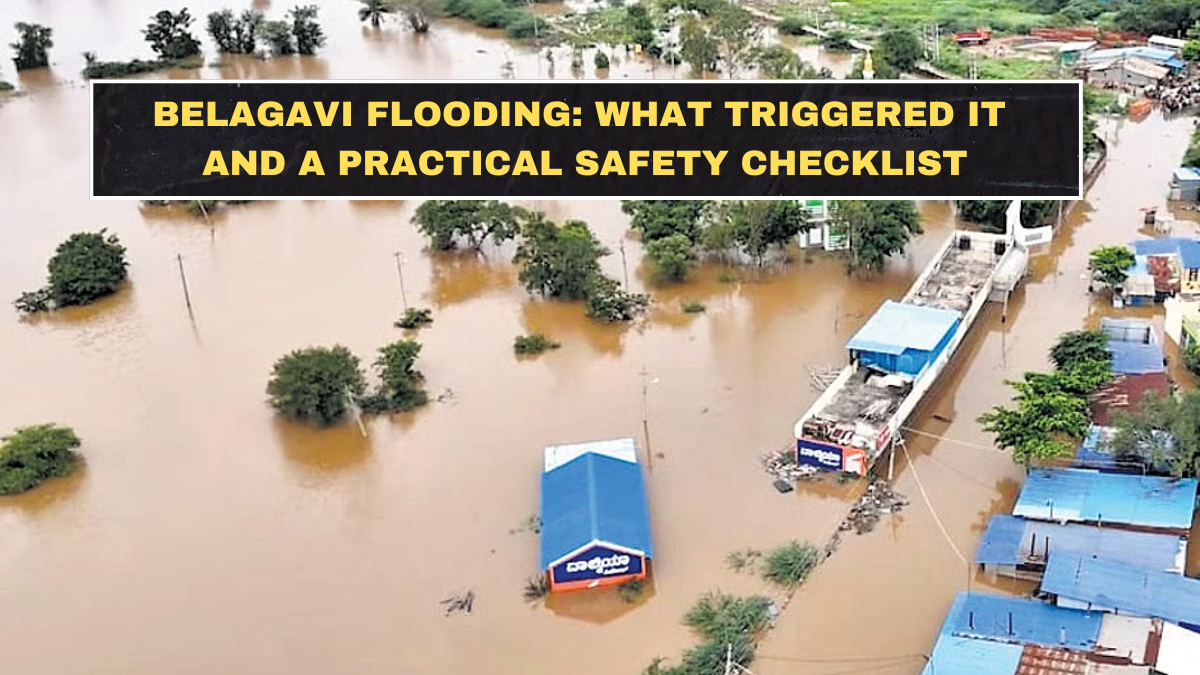
Flood-like conditions in parts of Belagavi and nearby regions are being reported due to intense rainfall over a short period. Sudden waterlogging, rising water levels, and drainage overflow have disrupted normal movement in affected areas.
This is not a random event—it is linked to specific weather patterns and infrastructure limitations.
What Triggered the Flooding
The primary causes behind the situation include:
-
Heavy rainfall within a short duration
-
Poor drainage capacity in certain areas
-
Overflow of local water bodies and low-lying zones
-
Continuous rain without sufficient gap for water to recede
When rainfall intensity exceeds drainage capacity, flooding becomes unavoidable.
Areas Most at Risk
| Area Type | Risk Level |
|---|---|
| Low-lying areas | Very High |
| Near water bodies | High |
| Urban dense zones | Moderate to High |
| Elevated regions | Lower risk |
Residents in low-lying zones should remain especially alert.
Impact on Daily Life
Flooding conditions can lead to:
-
Traffic disruption and road blockages
-
Water entering homes or shops
-
Power interruptions in some areas
-
Delays in public transport and services
Even short-term flooding can cause significant inconvenience.
Why Flooding Happens Even Without Continuous Rain
Many people assume flooding requires constant rain, but that’s not always true.
-
A short period of very heavy rainfall can overwhelm drainage
-
Water accumulation continues even after rain stops
-
Urban areas with concrete surfaces absorb less water
This leads to delayed but severe waterlogging.
What Residents Should Do Immediately
| Situation | Action to Take |
|---|---|
| Water entering home | Move valuables to higher level |
| Roads flooded | Avoid driving or walking through water |
| Power fluctuation | Switch off electrical appliances |
| Emergency situation | Contact local authorities |
Simple precautions can prevent major damage.
Travel and Movement Advisory
-
Avoid unnecessary travel in affected areas
-
Check route conditions before leaving
-
Do not attempt to cross flooded roads
-
Use alternative routes where possible
Most accidents happen due to underestimating water depth.
Common Mistakes People Make
-
Driving through flooded streets
-
Ignoring early warning signs
-
Waiting too long to take precautions
-
Relying on assumptions instead of updates
These mistakes increase risk significantly.
What to Track for Updates
-
Local weather department alerts
-
District administration updates
-
Traffic advisories
-
Verified news sources
Staying informed is critical during such situations.
Conclusion
Belagavi flooding is a result of heavy rainfall combined with drainage limitations. While the situation may improve as rain reduces, risks remain in low-lying and waterlogged areas.
The key is not panic—but preparedness. If you act early and stay aware, you reduce both risk and disruption.
FAQs
What caused the flooding in Belagavi?
Heavy rainfall and drainage overflow are the main reasons.
Which areas are most affected?
Low-lying areas and zones near water bodies.
Is it safe to travel during flooding?
It is better to avoid unnecessary travel.
Can flooding happen after rain stops?
Yes, due to accumulated water.
What should residents do first?
Move to safer areas and avoid flooded zones.
Click here to know more.