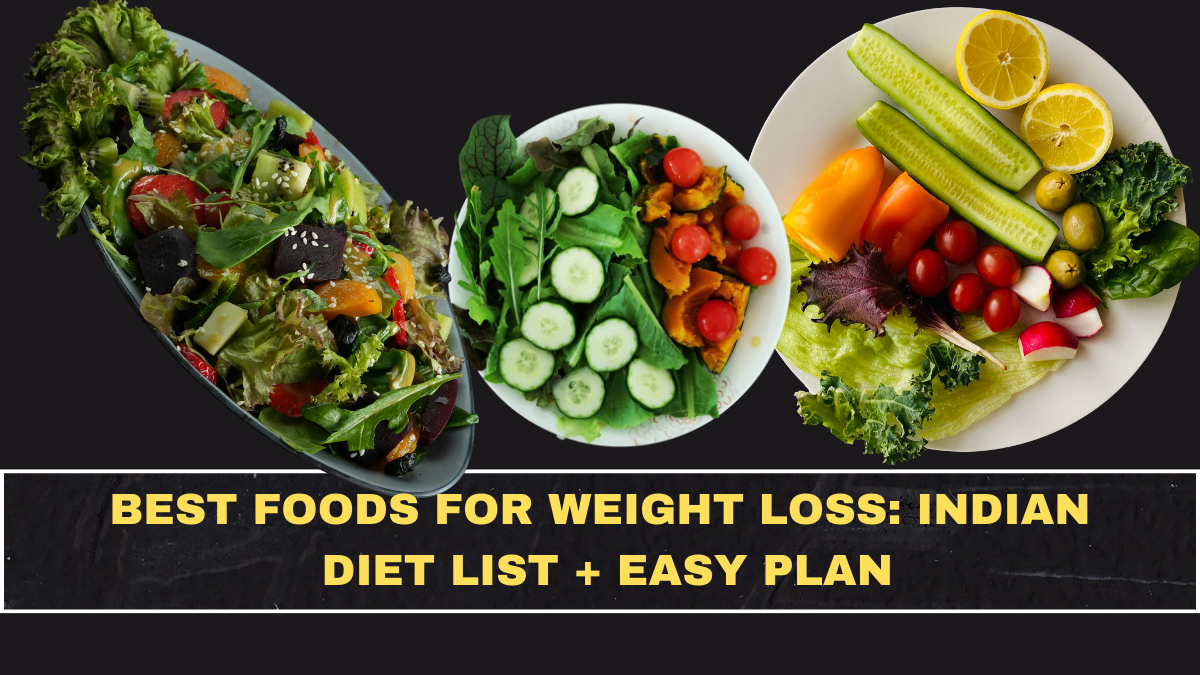
Weight loss in 2026 is no longer about extreme dieting or cutting entire food groups. Most people struggle not because they eat too much, but because they eat the wrong combination of foods that spike hunger and crash energy. An Indian diet can support weight loss very effectively when food choices are aligned with digestion, satiety, and long-term consistency.
The biggest confusion around weight loss foods comes from mixed advice. One day carbs are blamed, the next day fats are. The truth is simpler. Weight loss depends on food quality, portion awareness, and how foods affect hunger hormones. When you choose foods that keep you full, energized, and satisfied, calorie control happens naturally without mental stress.
Why Food Choice Matters More Than Calorie Counting
Calorie counting alone fails for most people because it ignores hunger control. When food does not satisfy, people overeat later even if they stayed “within limits” earlier.
Foods rich in protein, fiber, and healthy fats slow digestion and stabilize blood sugar. This reduces cravings and prevents sudden hunger spikes.
In 2026, sustainable weight loss focuses on appetite control rather than restriction, making food quality more important than numbers.
High-Protein Indian Foods That Support Fat Loss
Protein is the most important nutrient for weight loss because it keeps you full for longer and preserves muscle mass. Indian diets often fall short on protein, especially vegetarian ones.
Foods like dal, paneer, curd, tofu, eggs, sprouts, and roasted chana provide steady protein without heavy calories. When protein intake improves, snack cravings automatically reduce.
In 2026, increasing protein is one of the fastest and safest ways to improve weight loss results without changing meal quantity drastically.
Fiber-Rich Foods That Reduce Hunger Naturally
Fiber adds bulk to meals and slows digestion, which helps you stay full longer. Indian foods offer many natural fiber sources that are often underused.
Vegetables like lauki, tori, bhindi, cabbage, carrots, and leafy greens add volume without excess calories. Whole fruits, not juices, also contribute valuable fiber.
In 2026, diets rich in fiber consistently outperform low-fiber diets for fat loss and gut health.
Healthy Carbohydrates You Should Not Fear
Carbohydrates are not the enemy. Refined carbs cause problems, not whole ones. Removing carbs completely often leads to fatigue and binge eating.
Foods like brown rice, millets, oats, sweet potatoes, and whole wheat roti provide energy while keeping digestion steady when eaten in correct portions.
In 2026, balanced carb intake supports workouts, mood, and long-term diet adherence better than carb elimination.
Healthy Fats That Actually Help Weight Loss
Fats slow digestion and increase satiety when consumed wisely. Completely avoiding fat leads to constant hunger and dissatisfaction.
Nuts, seeds, ghee in moderation, mustard oil, and coconut in controlled amounts improve meal satisfaction and nutrient absorption.
In 2026, smart fat inclusion helps people stick to diets longer without feeling deprived.
Best Indian Breakfast Foods for Weight Loss
Breakfast should reduce hunger for the next several hours rather than spike appetite. Many traditional breakfasts are carb-heavy and lack protein.
Options like vegetable omelette, paneer bhurji, moong dal chilla, curd with seeds, or oats with nuts provide balance and sustained energy.
In 2026, protein-rich breakfasts are linked with better appetite control throughout the day.
Lunch and Dinner Foods That Prevent Overeating
Main meals should combine protein, vegetables, and moderate carbs. Large portions of rice or roti without balance often cause post-meal sleepiness and cravings.
A balanced plate with dal or paneer, sabzi, salad, and controlled carbs improves digestion and fullness.
In 2026, portion-balanced meals outperform “light meals” that leave people hungry later.
Snacks That Do Not Sabotage Progress
Snacking is not bad if choices are right. The problem is mindless snacking on refined, packaged foods.
Fruits, roasted chana, nuts in small quantities, boiled eggs, or curd-based snacks keep hunger controlled between meals.
In 2026, planned snacks prevent binge eating better than skipping food completely.
Common Weight Loss Food Mistakes Indians Make
Many people eat too little protein while overeating refined carbs. Others rely heavily on fruit juices or “healthy” packaged foods.
Skipping meals, eating very late at night, or avoiding fats entirely also slows progress and increases cravings.
In 2026, awareness of these mistakes helps people fix results without drastic diet changes.
Simple Indian Weight Loss Food Plan Structure
A sustainable plan includes three balanced meals and one or two planned snacks. Each meal should include protein and vegetables.
Portions matter more than food elimination. Eating slowly and stopping at comfortable fullness improves results naturally.
In 2026, simple structures beat complex diet rules for long-term success.
Conclusion: Weight Loss Foods Should Make Life Easier, Not Harder
The best foods for weight loss are not exotic or expensive. They are familiar Indian foods eaten in the right balance and portions. When meals satisfy hunger and support energy, weight loss stops feeling like punishment.
Instead of chasing diet trends, focusing on protein, fiber, and balance creates results that last. In 2026, the most successful weight loss plans are practical, flexible, and realistic for daily life.
When food works with your body rather than against it, consistency becomes natural and progress follows.
FAQs
Do I need to stop eating rice to lose weight?
No, rice can be included in controlled portions along with protein and vegetables.
Is ghee bad for weight loss?
Ghee in small quantities can support satiety and digestion without harming progress.
How much protein should I eat daily?
A general guideline is to include a protein source in every main meal.
Are fruits allowed during weight loss?
Yes, whole fruits are healthy and help control cravings when eaten in moderation.
Can vegetarians lose weight easily?
Yes, with proper protein planning using dal, paneer, curd, and legumes.
Why does weight loss stall even with healthy food?
Portion size, hidden calories, or low protein intake are common reasons.