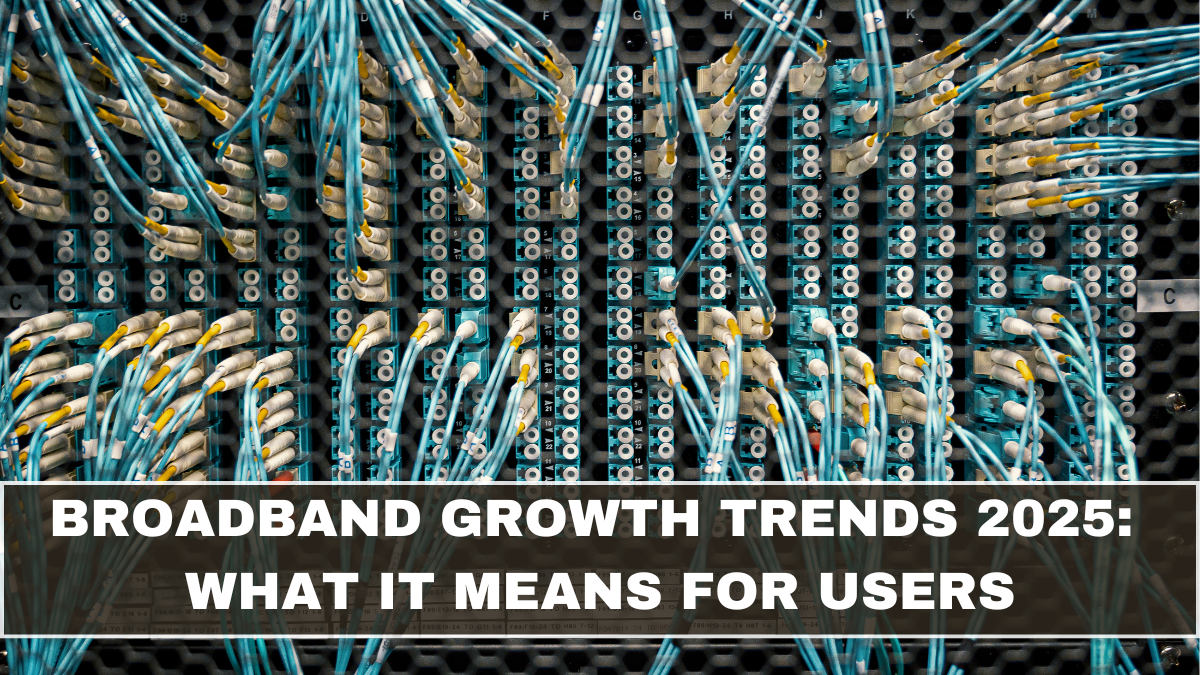
India’s internet ecosystem continues to expand rapidly in 2025, with TRAI broadband rise data indicating significant growth in broadband subscriptions alongside an increase in mobile internet users. Broadband connectivity is no longer limited to metros; tier-2 and tier-3 cities are experiencing strong adoption thanks to improved infrastructure, affordable plans, and government initiatives.
This broadband expansion is shaping how Indians work, study, shop, and access digital services, making reliable internet an essential part of everyday life.
Overview of Broadband Growth in India
The TRAI broadband rise reflects multiple trends:
-
Subscriber Expansion: Broadband subscriptions have increased significantly, covering both fixed-line and wireless connections.
-
Affordable Plans: Competitive pricing and high-speed packages are driving wider adoption.
-
Rural Connectivity: Government programs like BharatNet are improving connectivity in villages and smaller towns.
-
Fiber Optic Growth: FTTH (Fiber-to-the-Home) services are replacing older DSL lines, providing faster and more stable connections.
-
Digital Adoption: Increased demand for OTT platforms, online education, and remote work solutions fuels broadband growth.
This expansion highlights India’s transition to a digitally connected nation with broader access to online services.
Factors Driving Broadband Expansion
Several key factors are contributing to the subscriber trends:
-
Infrastructure Development: Investment in fiber networks and 5G-ready infrastructure is enabling higher-speed connections.
-
Government Initiatives: Programs like Digital India and BharatNet encourage connectivity in underserved regions.
-
Remote Work and Education: The pandemic-induced shift to online work and learning continues to drive broadband adoption.
-
Affordable Data: Competitive pricing and bundled plans from ISPs make broadband accessible to more households.
-
Urbanization and Smart Cities: Growing urban centers require robust internet for residential and commercial needs.
These factors collectively support sustained broadband growth across India.
Broadband Penetration Across Regions
The TRAI broadband rise data shows notable regional trends:
-
Urban Areas: Major metros like Mumbai, Delhi, Bengaluru, and Hyderabad have high penetration with widespread FTTH adoption.
-
Tier-2 Cities: Cities such as Pune, Jaipur, and Lucknow show increasing demand due to affordable plans and growing digital literacy.
-
Rural Areas: Expansion of fiber networks and satellite internet services are reaching villages, narrowing the urban-rural digital divide.
-
High-Speed Focus: Consumers increasingly prioritize plans with speeds above 100 Mbps, enabling smoother streaming, gaming, and remote work.
Regional growth ensures that broadband is becoming a vital utility across India, not just in large cities.
Impact on Users
Broadband growth has a direct effect on everyday internet users:
-
Improved Internet Speeds: Faster connections reduce buffering and enhance user experience for streaming and video calls.
-
Access to Digital Services: Enables smoother participation in e-learning, e-commerce, telemedicine, and government services.
-
Work from Home Efficiency: Stable broadband allows remote employees to handle video conferencing, large file transfers, and collaborative tools efficiently.
-
Entertainment and Media: Increased access to OTT platforms, online gaming, and music streaming services.
-
Economic Opportunities: Supports digital entrepreneurship, freelancing, and small business growth through reliable connectivity.
Users benefit from both convenience and expanded opportunities as broadband infrastructure improves.
Future Outlook
India’s broadband ecosystem is expected to continue its upward trajectory:
-
5G Integration: Wider deployment of 5G networks will complement existing broadband services.
-
Smart Home and IoT Expansion: High-speed internet facilitates smart home devices, IoT applications, and connected appliances.
-
Affordable Fiber Options: Increasing competition among ISPs may lead to even more cost-effective high-speed plans.
-
Digital Literacy Programs: Efforts to educate users about internet use will expand adoption, particularly in rural areas.
-
Hybrid Work Models: Sustained remote work trends will continue to fuel broadband demand.
The combined effect of these trends ensures that broadband remains a cornerstone of India’s digital transformation.
Conclusion
The TRAI broadband rise underscores India’s remarkable digital growth in 2025. With broadband reaching more households, including tier-2 and rural areas, users are enjoying faster speeds, better access to digital services, and enhanced opportunities for work, education, and entertainment. Government initiatives, infrastructure investment, and competitive pricing continue to drive these trends. For Indian users, this growth means a more connected, productive, and digitally empowered future.
FAQs
What does TRAI broadband rise indicate?
It indicates a significant increase in broadband subscriptions and internet adoption across India in 2025.
Which regions are seeing the most broadband growth?
Metros, tier-2 cities, and rural areas are all experiencing growth, with fiber and high-speed connections expanding rapidly.
How does broadband growth impact daily users?
It improves internet speed, access to online services, efficiency in remote work, entertainment options, and economic opportunities.
Are rural areas benefiting from broadband expansion?
Yes, government initiatives and fiber network expansion are bringing high-speed internet to villages and smaller towns.
What trends will shape broadband in the future?
Future trends include 5G integration, smart home applications, affordable fiber plans, and continued digital literacy initiatives.
Click here to know more.