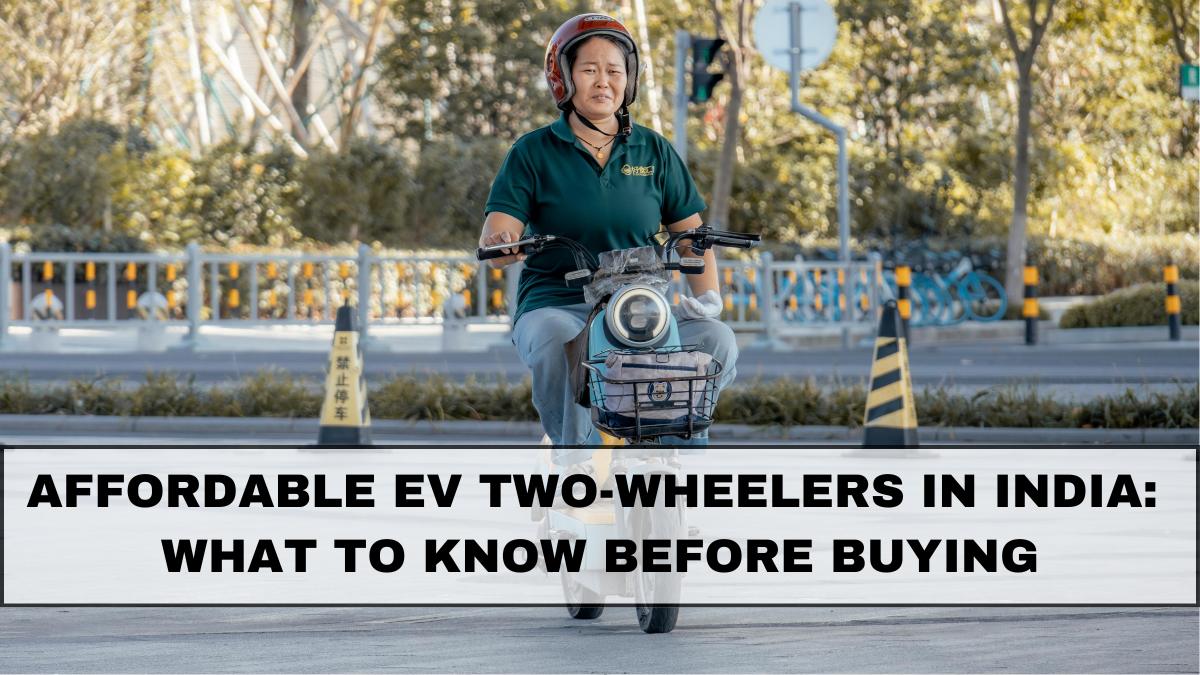
The adoption of electric vehicles (EVs) is accelerating in India, driven by rising fuel costs, government subsidies, and environmental concerns. Among EVs, budget EV two-wheelers have become particularly popular due to affordability, convenience, and ease of urban commuting. Electric scooters and bikes provide a cost-effective alternative to traditional petrol-powered vehicles while reducing carbon footprints.
This guide explores everything you need to know about buying an affordable EV two-wheeler in India, from costs and specifications to subsidies, charging, and maintenance.
Why Consider a Budget EV Two-Wheeler
1. Cost Savings:
-
Lower running costs compared to petrol scooters, with electricity cheaper than fuel.
-
Minimal maintenance due to fewer moving parts in electric motors.
2. Environmental Impact:
-
Zero tailpipe emissions help reduce urban air pollution.
-
Supports India’s transition to cleaner mobility and sustainable transport.
3. Government Incentives:
-
Purchase subsidies under schemes like FAME India.
-
Additional state-level benefits, including registration discounts and road tax exemptions.
4. Urban Mobility Advantages:
-
Ideal for short city commutes with low operating costs.
-
Compact design makes parking easier in crowded cities.
Key Features to Check Before Buying
When exploring budget EV two-wheelers in India, keep these factors in mind:
1. Battery & Range:
-
Check battery capacity (Ah) and estimated range per charge.
-
Choose a scooter that meets your daily commute requirements.
2. Charging Options:
-
Assess whether home charging or public charging stations are available.
-
Some models offer detachable batteries for convenient charging indoors.
3. Top Speed & Motor Power:
-
Consider daily commuting needs: higher speed may be required for highways, while city rides need moderate speed.
-
Motor power influences acceleration and hill-climbing ability.
4. Build Quality & Features:
-
Look for durable frames, quality tires, and ergonomic design.
-
Features like digital displays, regenerative braking, and LED lights add convenience.
5. Warranty & After-Sales Service:
-
Check warranty coverage for motor, battery, and electronics.
-
Availability of service centers in your city is crucial for maintenance.
Popular Budget EV Two-Wheelers in India
-
Ola S1 & S1 Pro: Affordable, high range, and modern design.
-
Ather 450X: Premium features at a reasonable price; robust service network.
-
Hero Electric Optima & Photon: Reliable, low-cost options with decent range.
-
Ampere Zeal & Magnus Pro: Budget-friendly scooters ideal for city commutes.
-
Tork Kratos & Etron: New entrants providing cost-effective electric mobility.
Cost Breakdown
-
Initial Purchase Price: Ranges between ₹65,000 to ₹1.2 lakh depending on model and features.
-
Running Cost: Average ₹1–₹2 per km for electricity vs ₹5–₹8 per km for petrol scooters.
-
Maintenance: EVs require minimal servicing — mainly tire replacement, brakes, and battery health checks.
Government Subsidies & Benefits
-
FAME India Scheme: Provides incentives up to ₹15,000–₹30,000 on electric two-wheelers, depending on specifications.
-
State Subsidies: States like Maharashtra, Karnataka, and Tamil Nadu offer additional subsidies or registration exemptions.
-
Tax Benefits: Reduced road tax and registration fees can further lower the total cost of ownership.
Charging Tips for Budget EV Two-Wheelers
-
Home Charging: Use a 15–20A domestic socket or a dedicated EV charger for fast and safe charging.
-
Public Charging: Some cities now provide public charging stations; check availability on apps or manufacturer websites.
-
Battery Care: Avoid deep discharge and store scooters in shaded areas to extend battery life.
-
Charging Time: Most scooters take 4–6 hours for a full charge; some fast-charging options can reduce this to 1–2 hours.
Pros and Cons of Budget EV Two-Wheelers
Pros:
-
Low running and maintenance costs.
-
Eco-friendly and emission-free.
-
Government incentives reduce purchase price.
-
Ideal for daily urban commuting.
Cons:
-
Limited range compared to petrol scooters.
-
Initial purchase price slightly higher than entry-level petrol scooters.
-
Charging infrastructure still growing in smaller towns.
FAQs
Are budget EV two-wheelers suitable for daily commuting in Indian cities?
Yes, they are perfect for short to medium daily commutes, typically 50–100 km per day.
What subsidies are available for electric scooters in India?
Central FAME India incentives and additional state-specific subsidies can significantly reduce the cost.
How much does it cost to charge an EV scooter in India?
Average running cost is ₹1–₹2 per km, significantly cheaper than petrol-powered scooters.
Can I charge my electric scooter at home?
Yes, most EV scooters allow home charging using a regular socket or a dedicated EV charger.
How long does the battery last on budget EV scooters?
Modern EV batteries offer 3–5 years of life depending on usage, care, and charging habits.
Conclusion
Budget EV two-wheelers in India are becoming an attractive choice for commuters seeking affordability, convenience, and eco-friendly mobility. With the right knowledge of costs, subsidies, charging infrastructure, and vehicle specifications, buyers can make informed decisions. By choosing a reliable electric scooter and following proper maintenance practices, Indians can enjoy sustainable transport, save money, and contribute to a cleaner urban environment.
Click here to know more.