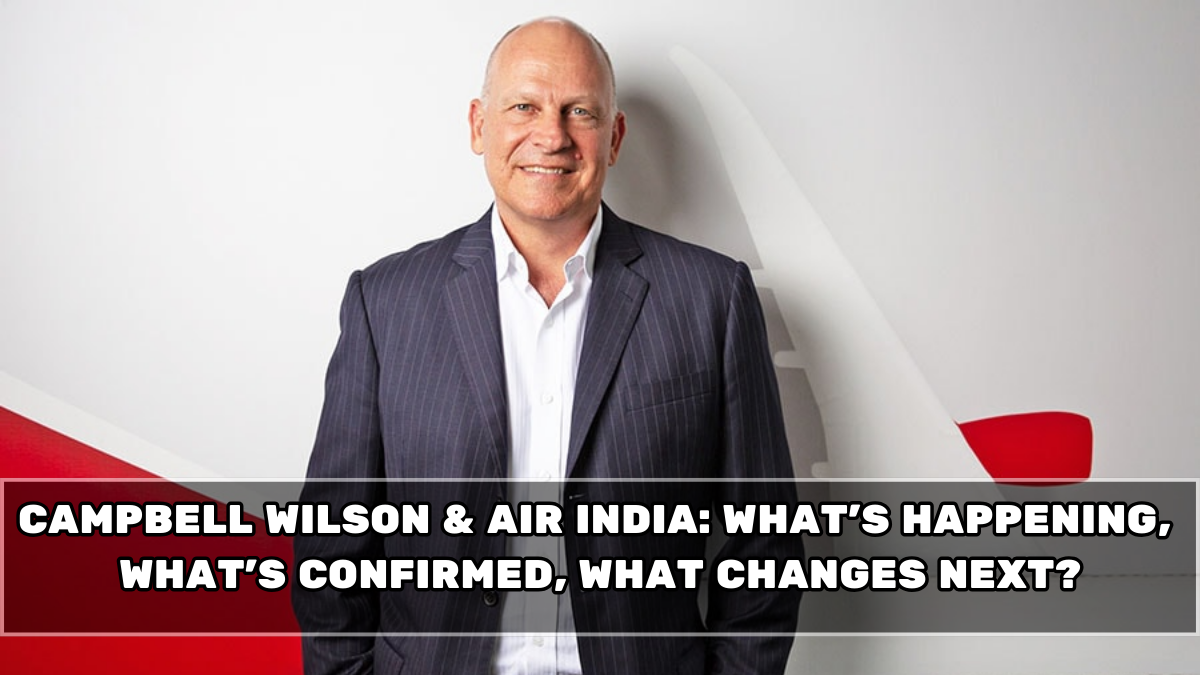
The Campbell Wilson Air India CEO topic started trending not because of an official announcement—but because of speculation. Social media chatter, selective headlines, and half-read reports created confusion around leadership stability at Air India. For an airline already under intense public scrutiny, even minor ambiguity turns into noise fast.
This article separates verified facts from rumor, explains why Campbell Wilson’s name is surfacing now, and outlines what actually matters for Air India’s direction—regardless of gossip cycles.
Who Is Campbell Wilson and Why He Matters to Air India
Understanding the role clarifies the reaction.
Key points:
• Campbell Wilson is the CEO overseeing Air India’s transformation
• Appointed under the Tata Group’s ownership phase
• Responsible for integration, culture reset, and operations
He isn’t a symbolic leader—he’s operationally central.
Why Resignation Rumors Started Circulating
The resignation rumors didn’t come from official filings.
They stemmed from:
• Misinterpreted internal restructuring updates
• Leadership reshuffles across Tata Group aviation entities
• Increased visibility of other executives in public briefings
In large transformations, visibility shifts don’t equal exits.
What Reports Actually Say (And What They Don’t)
Let’s stick to what’s verifiable.
What reports indicate:
• No official resignation announcement
• No regulatory filing indicating leadership change
• Continued CEO involvement in strategy and operations
What reports do not confirm:
• Any confirmed exit timeline
• Any successor announcement
Speculation filled the gaps—not facts.
Why Leadership Stability Is Being Questioned Now
Timing explains attention.
Reasons scrutiny increased:
• Ongoing Air India restructuring
• Fleet upgrades and service revamps
• Merger and integration complexity
• Public pressure on performance
When change is visible, people assume change at the top.
Tata Group’s Broader Aviation Strategy
The Tata Group approach prioritises system-level transformation over personality-led narratives.
Strategic focus areas:
• Fleet modernisation
• Brand reset and service standards
• Operational discipline
• Cultural integration
Leadership continuity supports this multi-year plan.
What Would Actually Trigger a CEO Change
A CEO change isn’t driven by trends—it’s driven by triggers.
Real triggers include:
• Regulatory conflicts
• Strategic failure
• Governance decisions
• Long-term misalignment
None of these have been publicly flagged in this case.
What Changes Are Actually Happening at Air India
While rumors swirl, real changes are underway.
Visible changes include:
• Aircraft upgrades
• Route rationalisation
• Cabin experience revamps
• Process standardisation
These moves indicate execution—not leadership vacuum.
Why Public Perception Plays a Role
Airlines operate under constant public judgment.
Perception drivers:
• Social media amplification
• Legacy reputation baggage
• High emotional attachment from customers
The Campbell Wilson Air India CEO conversation reflects this sensitivity.
What Employees and Investors Care About
Internal stakeholders focus on different signals.
They care about:
• Decision consistency
• Strategy continuity
• Clear communication
• Operational leadership
Noise doesn’t change day-to-day execution.
What This Means for Passengers
For passengers, leadership rumors don’t change outcomes immediately.
What matters more:
• On-time performance
• Service quality
• Reliability
• Pricing consistency
These are execution issues—not headline issues.
Why Rumors Spread Faster Than Confirmations
Silence is often mistaken for secrecy.
Reasons rumors win:
• Faster virality
• Click-driven headlines
• Lack of immediate official clarification
But absence of denial isn’t proof of truth.
How to Read Leadership News More Critically
A simple filter helps.
Before believing:
• Check for official statements
• Look for regulatory filings
• Identify primary vs secondary sources
If none exist, it’s speculation.
Conclusion
The Campbell Wilson Air India CEO discussion is a reminder that transformation periods attract noise. As of now, there is no confirmed leadership exit—only speculation amplified by visibility shifts and restructuring complexity. What actually matters is execution, continuity, and delivery over time.
Until official announcements say otherwise, leadership stability remains intact—and Air India’s transformation continues on its planned path.
FAQs
Has Campbell Wilson resigned as Air India CEO?
No official resignation has been announced or confirmed.
Why are resignation rumors circulating?
Due to misinterpreted reports and restructuring visibility changes.
Is Tata Group planning a leadership change at Air India?
There is no confirmed information suggesting this.
Does leadership speculation affect passengers?
Not directly—service execution matters more.
Where should people check for confirmed updates?
Official company statements and regulatory disclosures.