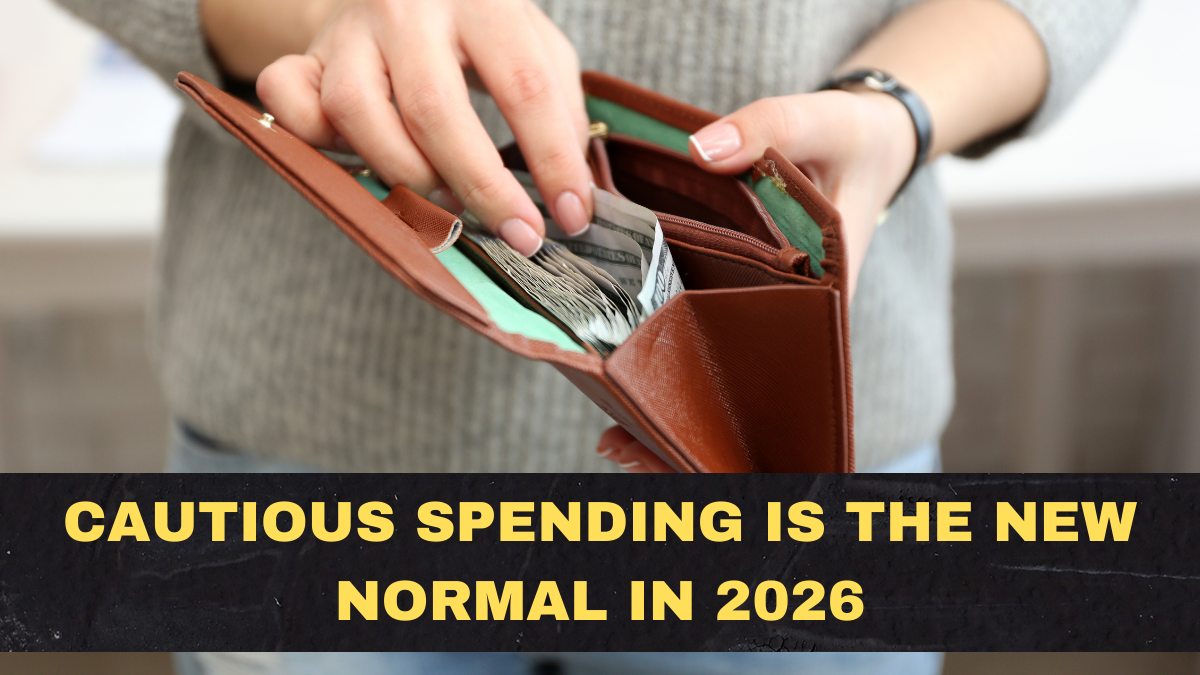
The pattern of cautious consumer spending 2026 is reshaping how people shop, how brands price, and how retailers design their strategies. After years of volatility, inflation cycles, and financial uncertainty, buyers are no longer driven by impulse or novelty. They are deliberate, selective, and far more intentional about where their money goes.
This shift is not driven by fear alone. It is driven by awareness. Consumers now understand trade-offs better, track budgets more carefully, and evaluate value more deeply before every purchase. In 2026, spending is no longer emotional first and rational later. It is rational first and emotional only when justified.
The era of easy impulse shopping is ending. The era of intentional consumption has begun.
Why Cautious Spending Became the Default Behavior
Several structural forces pushed buyers toward restraint.
The most important drivers include:
• Prolonged inflation cycles
• Rising housing and living costs
• Uncertain job markets
• Subscription fatigue
• Debt awareness
Instead of reacting to sales banners, consumers now ask:
• Do I need this?
• Will I use this often?
• Is there a better alternative?
• Can I wait?
This internal filter slows purchasing decisions but increases satisfaction.
In 2026, value seeking is not about being cheap.
It is about being strategic.
How Intentional Consumption Changed Buying Psychology
Earlier, shopping behavior followed emotion.
Before:
• Desire triggered purchase
• Price justified later
• Usage sometimes followed
Now:
• Purpose comes first
• Price is evaluated early
• Usage is predicted
• Desire follows logic
Consumers now:
• Compare longer
• Read reviews deeply
• Delay purchases
• Abandon carts more easily
• Wait for clearer justification
This does not reduce spending.
It redistributes it toward fewer, better decisions.
Why Buyers Are Spending Less Frequently but More Thoughtfully
Purchase frequency is declining, but quality is rising.
Patterns now show:
• Fewer shopping trips
• Smaller baskets
• Higher average product quality
• Longer product lifecycles
• Reduced return rates
Instead of buying:
• Five cheap items
They buy:
• One durable, trusted product
This benefits brands that offer:
• Reliability
• Transparency
• Long-term value
• Clear positioning
In cautious consumer spending 2026, loyalty now follows trust, not discounts.
How Price Sensitivity Is Becoming Smarter, Not Stronger
Contrary to assumptions, consumers are not simply chasing low prices.
They are evaluating:
• Cost per use
• Durability
• Warranty
• Brand reputation
• Resale value
They accept higher prices when:
• Quality is proven
• Utility is clear
• Longevity is visible
• Risk is reduced
Discounts still matter, but:
• Permanent markdowns lose impact
• Flash sales feel manipulative
• Artificial urgency backfires
In 2026, price sensitivity is analytical, not emotional.
Why Impulse Categories Are Losing Share
Certain categories are feeling the slowdown sharply.
The most affected include:
• Fast fashion
• Trend gadgets
• Decorative home items
• Low-end accessories
• Novelty products
These rely on:
• Emotional triggers
• Visual temptation
• Low decision friction
But cautious buyers now:
• Pause longer
• Exit faster
• Return less often
In contrast, categories gaining strength include:
• Health and wellness
• Home essentials
• Durable goods
• Productivity tools
• Experience-based purchases
Spending is moving from decoration to foundation.
How Retailers Are Redesigning for Value Seeking Shoppers
Retail strategy is evolving rapidly.
Successful stores now emphasize:
• Clear pricing transparency
• Comparison-friendly layouts
• Product education sections
• Warranty and durability signals
• Return-friendly policies
They reduce:
• Visual clutter
• Artificial urgency
• Over-promotion
• Confusing bundles
Stores that thrive in 2026 help buyers:
• Decide faster
• Regret less
• Trust more
• Return less
Retail is shifting from persuasion to guidance.
Why Subscription Fatigue Accelerated This Shift
One major trigger of intentional consumption was subscription overload.
Consumers are now:
• Auditing subscriptions regularly
• Cancelling unused services
• Avoiding auto-renew traps
• Preferring one-time purchases
• Demanding clearer value
This behavior spills into physical shopping.
Buyers now:
• Track recurring expenses
• Evaluate lifetime costs
• Avoid commitment-heavy products
• Prefer flexible ownership
In cautious consumer spending 2026, control matters more than convenience.
How Brands Must Reposition for the New Buyer Mindset
Marketing strategies are changing fundamentally.
Effective brands now emphasize:
• Longevity over novelty
• Utility over hype
• Proof over promises
• Stability over trends
• Value narratives
Winning messages focus on:
• “This will last”
• “This solves a real problem”
• “This saves money long-term”
• “This fits your life”
High-pressure marketing now damages trust faster than ever.
In 2026, persuasion works best when it feels like advice.
Why Experiences Are Still Growing Despite Caution
Interestingly, not all spending slowed.
Experience spending continues rising in:
• Travel
• Dining
• Wellness
• Entertainment
• Learning
Why?
Because:
• Experiences create memories
• They resist resale logic
• They deliver emotional ROI
• They feel meaningful
Consumers cut:
• Objects
They protect:
• Moments
Intentional consumption does not reduce joy.
It redirects it toward meaning.
How This Trend Is Reshaping Brand Loyalty
Loyalty now forms differently.
Instead of:
• Habit-based buying
It becomes:
• Evaluation-based loyalty
Consumers stay loyal when brands offer:
• Consistent quality
• Honest communication
• Stable pricing
• Predictable performance
• Low regret rates
In 2026, loyalty is not emotional attachment.
It is risk management.
Why This Behavior Will Define the Next Retail Decade
Long-term forces reinforce this pattern:
• Financial literacy growth
• Budget tracking tools
• Economic uncertainty cycles
• Sustainability awareness
• Minimalism culture
Future buyers will:
• Buy less
• Buy better
• Keep longer
• Compare deeper
• Demand proof
Cautious consumer spending 2026 is not temporary.
It is a permanent behavioral upgrade.
Conclusion
The rise of cautious consumer spending 2026 marks a fundamental reset in how people relate to money, products, and brands. Impulse is fading. Intention is rising. Value seeking is becoming sophisticated rather than frugal.
Brands that win now are not those that shout loudest.
They are those that:
• Educate clearly
• Deliver consistently
• Price honestly
• Reduce regret
In this new world, growth does not come from pushing buyers harder.
It comes from helping them choose better.
And that may be the healthiest retail shift in decades.
FAQs
What is cautious consumer spending in 2026?
It is a behavior where buyers purchase less frequently but more intentionally, focusing on value, durability, and long-term usefulness.
Are people spending less overall?
Not necessarily. They are redistributing spending toward fewer, higher-quality purchases and experiences.
Which categories benefit most from this trend?
Health, wellness, durable goods, productivity tools, and experience-based services benefit strongly.
Do discounts still matter?
Yes, but only when combined with trust, quality, and clear long-term value.
Will impulse shopping return?
Partially, but intentional consumption is likely to remain dominant due to lasting financial and cultural shifts.
Click here to know more.