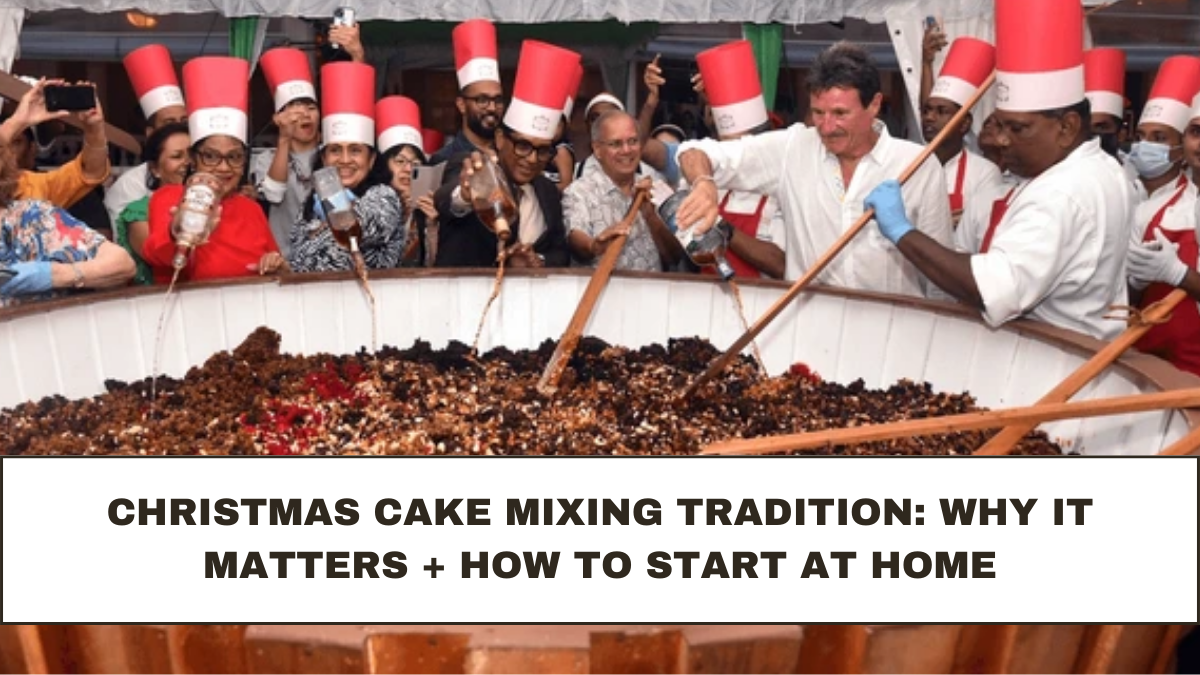
The Christmas cake mixing tradition is one of the most cherished rituals during the holiday season. Rooted in history and cultural practices, it involves combining fruits, nuts, spices, and sometimes alcohol long before the actual baking day. This preparation allows flavors to meld, creating a rich, aromatic cake that defines festive celebrations.
Whether you are new to holiday baking or want to start your own family tradition, understanding the why, how, and timing of cake mixing is key. Here’s a detailed guide to help you embrace this joyful practice at home.
Why Cake Mixing is a Tradition
Cake mixing is more than just combining ingredients. It’s a ritual that brings families together, evokes nostalgia, and sets the tone for the festive season. Historically:
• Fruits were soaked in alcohol to preserve them for months, ensuring availability in winter
• Spices were added not only for flavor but also for their preservative qualities
• Family members would participate in the mixing, blessing the cake and adding symbolic ingredients
This tradition is a way of connecting generations, sharing stories, and building anticipation for the Christmas feast.
Preparing the Fruits: Soaking is Key
One of the most important aspects of the Christmas cake mixing tradition is soaking fruits. Properly soaked fruits are essential for a moist, flavorful cake. Popular choices include:
• Raisins, currants, cherries, apricots, and prunes
• Nuts like almonds, cashews, and walnuts (toasted lightly for aroma)
For soaking:
• Traditional method: Use rum, brandy, or whisky for a classic flavor
• Alcohol-free alternative: Fruit juices like orange, apple, or pineapple
• Soak duration: 24 hours minimum, ideally a few days to a week for maximum flavor infusion
Soaked fruits not only enhance taste but also improve texture, preventing dryness in the final cake.
Step-by-Step Cake Mixing Guide
Starting your own cake mixing tradition at home is simple with these steps:
-
Select Ingredients: Measure dried fruits, nuts, spices, and sugar. Include optional zest for a fragrant touch.
-
Soak Fruits: Combine fruits with alcohol or juice in a bowl, covering it tightly. Stir occasionally to ensure even absorption.
-
Mix Spices and Nuts: In a separate bowl, combine cinnamon, nutmeg, and chopped nuts. Toasting the nuts lightly enhances aroma.
-
Blend Together: After soaking, fold fruits into the spice-nut mixture. This forms the base for your cake batter.
-
Optional Pre-Bake Testing: Taste a small piece of soaked fruit mix to check flavor intensity and adjust if necessary.
This early preparation ensures that when baking day arrives, your cake is rich, aromatic, and ready to shine.
Timing Your Cake Baking
A key benefit of the Christmas cake mixing tradition is planning. The soaking and mixing phase can begin weeks in advance, allowing:
• Deep flavor development as ingredients meld
• Easier preparation on baking day
• Ability to gift cakes early without compromising taste
Typically, the cake is baked 1–2 weeks before Christmas, then wrapped and stored, sometimes with additional brushing of alcohol or syrup for moisture retention.
Tips for Alcohol-Free Cake Variants
Not everyone prefers alcohol, and the tradition can be adapted:
• Use fresh fruit juice for soaking, adding a hint of citrus zest
• Include natural sweeteners like honey or jaggery for depth
• Toast nuts and lightly caramelize fruits for richness
• Maintain the same soaking duration for optimal flavor
This way, everyone in the family can enjoy the ritual, and the cake remains moist and festive.
Family Involvement: Making it Meaningful
The Christmas cake mixing tradition is as much about togetherness as it is about baking. Families can involve children, friends, or neighbors by:
• Allowing kids to stir the fruit mix safely
• Letting elders share stories and tips from past Christmases
• Assigning small tasks like measuring ingredients or decorating jars
This participation builds memories, making the cake more than a dessert—it becomes a symbol of love and celebration.
Storing the Fruit Mixture
Once the fruit mix is prepared, proper storage is essential:
• Store in a clean, airtight glass or ceramic container
• Keep in a cool, dark place to prevent spoilage
• Stir occasionally to distribute flavors evenly
Well-stored mixtures can last for weeks, making the cake preparation process stress-free when baking day arrives.
Why This Tradition Endures
The Christmas cake mixing tradition continues to thrive because it emphasizes patience, flavor, and family bonding. Unlike quick desserts, this method rewards effort with a deeply aromatic and moist cake. The process also instills the joy of anticipation, connecting current celebrations with a long line of festive history.
Conclusion
Starting the Christmas cake mixing tradition at home is a delightful way to enrich your festive celebrations. From soaking fruits to involving family, this practice combines culinary skill with cultural nostalgia. Whether you prefer a classic rum-soaked cake, an alcohol-free variant, or a modern twist, early preparation ensures flavor, moisture, and a memorable holiday centerpiece. Embracing this tradition allows you to create not just a cake but cherished memories that can continue for generations.
FAQs
Why is fruit soaking important for Christmas cake?
Soaking fruits enhances flavor, prevents dryness, and allows them to blend seamlessly with the cake batter.
How long should fruits be soaked?
Ideally, 24 hours minimum; a few days to a week yields richer flavors.
Can I make an alcohol-free version?
Yes, use fruit juices like orange or apple for soaking, with optional zest for aroma.
When should I bake the cake after mixing?
Typically, 1–2 weeks before Christmas, allowing flavors to develop further.
Can children participate in the tradition?
Absolutely, they can help with stirring, measuring, and simple tasks, making it a fun family activity.
Click here to know more.