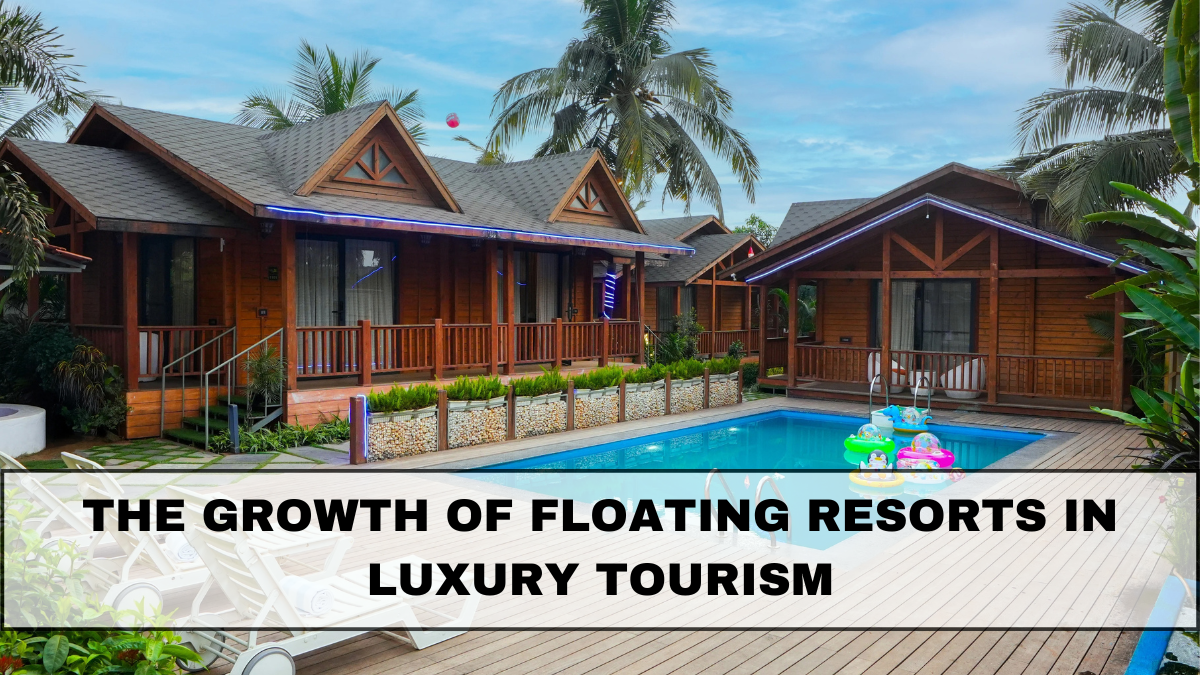
Luxury tourism is evolving rapidly in 2025, and one of the most captivating trends is the rise of floating resorts. These innovative accommodations provide travelers with a unique experience: staying directly on water, surrounded by natural beauty, while enjoying high-end amenities and services. Floating resorts offer an immersive and serene alternative to traditional hotels, redefining how travelers experience waterfront destinations.
What Are Floating Resorts?
Floating resorts are fully-equipped luxury accommodations constructed on water. They can be stationary on lakes, rivers, and lagoons, or even designed as floating structures on the ocean. Typical features include:
-
Overwater Villas: Private accommodations with direct water access.
-
Luxury Amenities: Pools, spas, fine dining, and recreational facilities.
-
Eco-Friendly Designs: Sustainable materials and renewable energy solutions.
-
Water-Based Activities: Kayaking, diving, snorkeling, and private boat tours.
-
Panoramic Views: Uninterrupted views of water bodies, sunsets, and marine life.
The combination of comfort, exclusivity, and natural surroundings makes floating resorts a premium choice for travelers seeking tranquility and adventure.
Why Floating Resorts Are Gaining Popularity
Several factors contribute to the growing popularity of floating resorts in luxury tourism:
-
Unique and Immersive Experiences
Travelers are increasingly seeking one-of-a-kind experiences, and floating resorts offer intimate encounters with nature, marine life, and stunning landscapes. -
Privacy and Seclusion
Overwater villas provide privacy and isolation, ideal for honeymooners, couples, and high-profile guests. -
Wellness and Relaxation
Many resorts feature wellness facilities such as yoga decks, meditation zones, and spas, enhancing relaxation in a serene environment. -
Adventure and Recreation
Guests can participate in water sports, fishing trips, and guided nature tours, blending luxury with outdoor adventure. -
Sustainable Tourism Appeal
Eco-conscious travelers are drawn to floating resorts designed with minimal environmental impact, such as solar-powered amenities and water recycling systems.
These benefits make floating resorts a strong contender in the competitive luxury tourism market.
Popular Destinations for Floating Resorts
Floating resorts are flourishing across the globe in scenic and high-demand locations:
-
Maldives: Famous for its overwater villas and turquoise lagoons.
-
Bora Bora, French Polynesia: Offers luxury retreats with stunning mountain and ocean views.
-
Lake Titicaca, Peru/Bolivia: Unique lake-based floating stays with cultural immersion.
-
Kerala, India: Backwater floating resorts blending local culture with modern amenities.
-
Thailand and Indonesia: Overwater resorts on remote islands providing privacy and adventure.
These destinations combine natural beauty, calm waters, and accessibility, making them ideal for luxury floating resorts.
Design and Innovation in Floating Resorts
Modern floating resorts integrate cutting-edge architecture, sustainability, and guest comfort:
-
Sustainable Construction: Modular designs and eco-friendly materials reduce environmental impact.
-
Energy Efficiency: Solar panels, wind energy, and water recycling systems support sustainability.
-
Smart Features: Automated lighting, climate control, and personalized guest experiences via smart devices.
-
Aesthetic Design: Blends luxury interiors with local cultural elements for an authentic experience.
-
Flexible Layouts: Expandable or relocatable units allow resorts to adapt to environmental conditions.
Innovative design ensures floating resorts remain luxurious while preserving fragile ecosystems.
Benefits for Travelers and Tourism Industry
Floating resorts provide advantages for both guests and the tourism sector:
-
Enhanced Guest Experience: Combines nature, privacy, and high-end service for memorable stays.
-
Increased Tourist Attraction: Unique resorts attract international visitors and boost local tourism economies.
-
Sustainable Growth: Eco-conscious travelers contribute to the development of responsible tourism practices.
-
Year-Round Appeal: Floating resorts can operate across seasons, offering tailored experiences for different weather conditions.
-
Cultural Engagement: Many resorts incorporate local cuisine, crafts, and traditions, enriching guest experiences.
These factors demonstrate how floating resorts positively impact both tourism development and visitor satisfaction.
Challenges and Considerations
Despite their appeal, floating resorts face certain challenges:
-
Maintenance Costs: Continuous upkeep of water-based structures is essential to prevent deterioration.
-
Environmental Risks: Poorly designed resorts can disrupt aquatic ecosystems.
-
Accessibility: Remote locations may pose transportation challenges for some travelers.
-
Weather Dependency: Storms or rough waters may affect operations and safety.
-
High Investment: Building and operating a floating resort requires significant capital investment.
Addressing these challenges is crucial for sustainable growth in luxury floating tourism.
Future Trends in Floating Resorts
Floating resorts are expected to innovate further in 2025 and beyond:
-
Integration with AI and IoT: Smart systems for energy management, guest preferences, and predictive maintenance.
-
Floating Hotels and Villages: Expanding beyond individual resorts to fully integrated floating communities.
-
Underwater Rooms: Unique underwater accommodations providing views of marine life.
-
Adventure-Focused Resorts: Combining luxury with eco-tourism, diving, and exploration activities.
-
Cultural and Culinary Experiences: Immersive local experiences integrated into the luxury stay.
These trends suggest floating resorts will continue shaping the future of high-end travel.
FAQs
What are floating resorts?
Floating resorts are luxury accommodations built on water, offering overwater villas, recreational facilities, and eco-friendly designs for travelers seeking unique experiences.
Why are floating resorts becoming popular in 2025?
They provide privacy, immersive experiences, wellness options, adventure activities, and sustainable tourism appeal.
Where are the best floating resorts located?
Popular locations include the Maldives, Bora Bora, Lake Titicaca, Kerala, and island destinations in Thailand and Indonesia.
Are floating resorts eco-friendly?
Many resorts adopt sustainable construction, renewable energy, and water recycling systems to reduce environmental impact.
What is the future of floating resorts?
The future includes AI-enabled smart resorts, underwater rooms, floating villages, and enhanced cultural and adventure experiences.
Click here to know more.