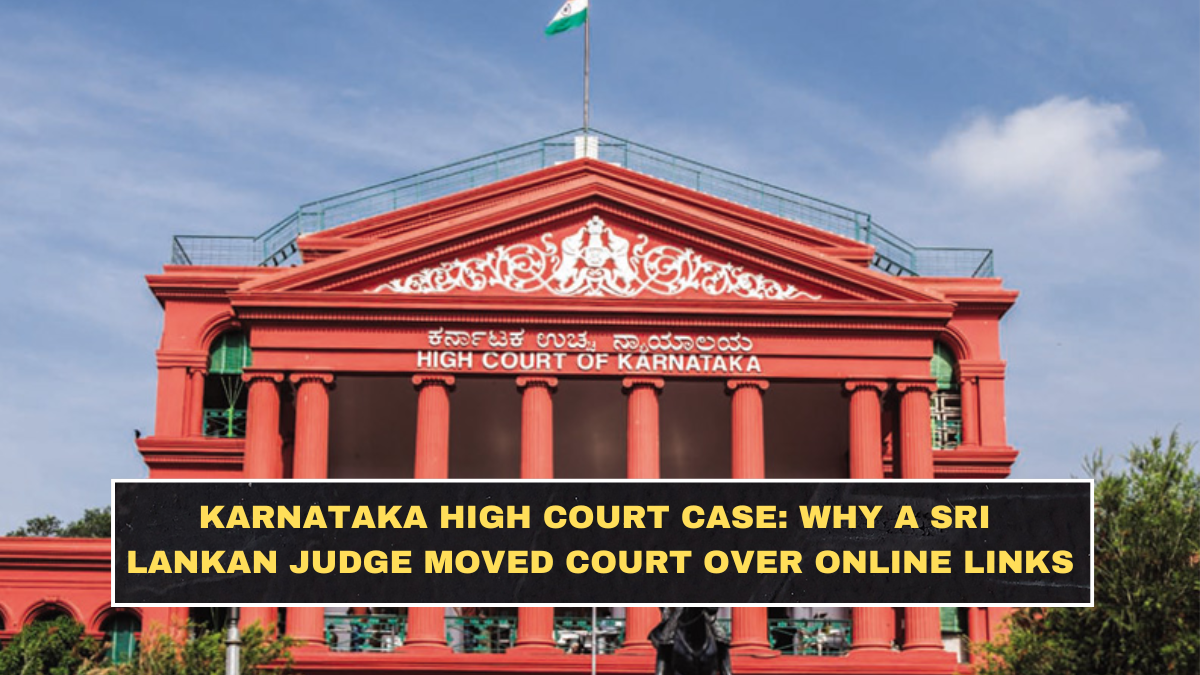
A case involving the Karnataka High Court and a Sri Lankan judge seeking removal of certain online links has attracted attention in legal and technology discussions. The matter revolves around the growing legal question of whether individuals can request the removal of online content that they believe harms their reputation or privacy.
As internet search engines and digital platforms have become primary sources of information, courts increasingly deal with cases related to online reputation, defamation, and privacy rights. This particular case highlights the tension between freedom of information and an individual’s right to protect their reputation.
What the Case Is About
According to reports, the petition filed in court concerns the presence of certain online search results or links that the petitioner believes are harmful or misleading. The request reportedly involves asking search engines or online platforms to remove or de-index specific results.
| Case Element | Description |
|---|---|
| Court | Karnataka High Court |
| Petitioner | Sri Lankan judge |
| Issue Raised | Removal of certain online links |
| Legal Concern | Reputation and privacy |
| Platform Mentioned | Internet search results |
Such cases are becoming more common as digital information remains accessible for long periods through search engines.
Why Online Links Become Legal Issues
Information published online can remain searchable for years, even if the original context changes. This has led to legal debates about whether individuals should have the right to request removal of certain search results.
| Issue | Explanation |
|---|---|
| Reputation impact | Online results may affect public perception |
| Outdated information | Old reports may no longer reflect reality |
| Search engine visibility | Content becomes widely accessible |
| Privacy concerns | Personal information may spread widely |
Courts must balance these concerns with the principle of free access to information.
The “Right to Be Forgotten” Debate
One of the major legal concepts often discussed in such cases is the “Right to Be Forgotten.” This principle allows individuals in some jurisdictions to request removal of personal information from search engines if it is outdated or no longer relevant.
| Concept | Meaning |
|---|---|
| Right to Be Forgotten | Request removal of personal data from search results |
| Privacy Protection | Protect individuals from reputational harm |
| Public Interest | Courts consider whether information remains important |
| Legal Balance | Balancing free speech and privacy rights |
Different countries apply this concept differently depending on their legal systems.
How Courts Evaluate Such Requests
When courts receive petitions seeking removal of online links, they examine several factors before making a decision.
| Legal Factor | Why It Matters |
|---|---|
| Accuracy of content | Whether information is factually correct |
| Public interest | Importance of information to society |
| Age of information | Whether the content is outdated |
| Harm to reputation | Impact on the petitioner |
Judges must carefully evaluate these aspects before deciding whether search results should remain visible.
Online Reputation and Legal Challenges
Digital platforms have made information more accessible than ever before. While this accessibility helps promote transparency and access to knowledge, it can also create challenges for individuals who feel that certain information online unfairly damages their reputation.
| Digital Factor | Impact |
|---|---|
| Search engines | Amplify visibility of information |
| Social media sharing | Rapid spread of content |
| Permanent digital records | Difficult to remove older content |
| Global accessibility | Information visible worldwide |
These factors explain why legal cases involving online content have increased in recent years.
Why This Case Is Significant
Cases involving online search results often become important legal precedents because they help courts define how digital information should be regulated. Decisions made in such cases may influence how future courts handle similar disputes involving online reputation and privacy.
Legal experts closely watch these cases because they reflect the evolving relationship between technology, individual rights, and legal frameworks.
Conclusion
The Karnataka High Court case involving the request to remove certain online links highlights a growing legal issue in the digital age. As internet search results increasingly shape public perception, courts must carefully balance privacy rights with freedom of information.
The outcome of such cases can influence how individuals, technology companies, and legal systems handle disputes involving online reputation and digital content in the future.
FAQs
What is the Karnataka High Court case about?
The case reportedly involves a petition seeking the removal of certain online links believed to affect the petitioner’s reputation.
Who filed the petition?
Reports indicate that a Sri Lankan judge approached the Karnataka High Court regarding the matter.
What is the “Right to Be Forgotten”?
It is a legal concept that allows individuals to request removal of certain personal information from search engine results.
Why do courts handle such cases?
Courts evaluate whether online information violates privacy rights or harms a person’s reputation while balancing public interest.
Can search engines remove links after court orders?
Yes, if a court orders removal or de-indexing of certain links, search engines may be required to comply.