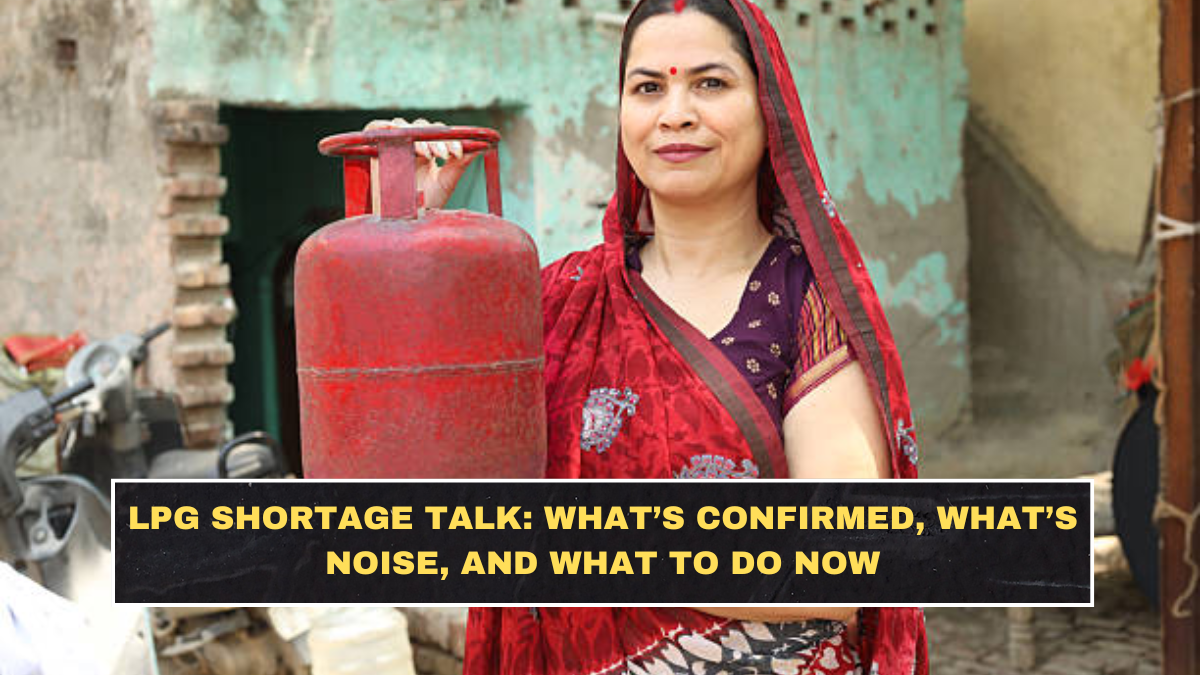
Over the past few days, social media posts and local reports have triggered concerns about a possible LPG shortage in parts of India. Many households are asking whether cooking gas supplies are actually running low or whether the situation is temporary distribution delays.
India’s domestic LPG supply is primarily managed by three government-backed oil marketing companies: Indian Oil Corporation, Bharat Petroleum Corporation Limited, and Hindustan Petroleum Corporation Limited. These companies collectively manage distribution through millions of cylinder deliveries every month.
At the national level, there is no official confirmation of a nationwide LPG shortage, but regional supply disruptions or delivery delays can sometimes create temporary panic.
How LPG Supply Works in India
India runs one of the largest LPG distribution systems in the world. Cylinders reach households through a network of distributors connected to oil marketing companies and refilling plants.
Key elements of the supply chain include:
-
LPG import and domestic production
-
Refilling plants and storage depots
-
Local distributors
-
Doorstep delivery networks
If any part of this chain slows down—such as transport disruptions or sudden demand spikes—delivery timelines can temporarily increase.
Major LPG Suppliers in India
| Company | Market Role | Key Responsibility |
|---|---|---|
| Indian Oil Corporation | Largest LPG supplier in India | Operates the Indane LPG network |
| Bharat Petroleum | Major domestic LPG distributor | Runs the Bharat Gas network |
| Hindustan Petroleum | National LPG provider | Manages the HP Gas distribution system |
These three companies together supply over 300 million LPG consumers across India, making the system highly dependent on logistics and demand patterns.
Why LPG Shortage Rumors Spread Quickly
Even when national supply is stable, several local factors can create the impression of a shortage.
Common reasons include:
Delivery delays:
High demand or transport delays can push delivery dates back by a few days.
Seasonal demand spikes:
Festivals, winter cooking demand, or regional events can increase cylinder bookings suddenly.
Distribution bottlenecks:
If trucks, storage depots, or local distributors face operational issues, some areas may see temporary delays.
Social media misinformation:
Viral posts claiming a “shortage” often spread faster than official updates.
Because LPG is an essential household fuel, even minor disruptions quickly become a public concern.
What Households Should Do If Cylinder Delivery Is Delayed
If your LPG refill booking is taking longer than usual, there are several practical steps to follow.
First, check the booking status through the official portal or mobile app of your LPG provider. Most distributors provide tracking numbers and estimated delivery timelines.
Second, contact your local distributor if the waiting time exceeds the expected delivery period.
Third, avoid panic booking multiple cylinders. This behavior can increase demand pressure and worsen delivery queues.
Practical LPG Management Tips for Households
| Tip | Why It Helps |
|---|---|
| Book refill when cylinder is half empty | Avoid last-minute supply stress |
| Track booking through official apps | Prevent confusion about delivery |
| Avoid duplicate bookings | Keeps supply chain balanced |
| Keep emergency cooking alternatives | Helpful during temporary delays |
Following these simple steps can reduce stress during periods when delivery times temporarily increase.
Is India Actually Facing an LPG Supply Crisis?
Based on available information and government supply data, India is not currently facing a nationwide LPG shortage. Domestic production combined with imports generally meets national demand.
However, India’s LPG consumption continues to grow due to programs such as the Pradhan Mantri Ujjwala Yojana, which expanded access to clean cooking fuel across rural households.
This means that distribution efficiency and logistics remain critical to maintaining uninterrupted supply.
Conclusion
Talk of an LPG shortage in India has created concern among households, but current indications suggest the situation is largely about local delivery delays or temporary supply adjustments rather than a nationwide crisis.
India’s LPG distribution system—run by companies like Indian Oil Corporation, Bharat Petroleum Corporation Limited, and Hindustan Petroleum Corporation Limited—is designed to support hundreds of millions of consumers.
For households, the best approach is to track refill bookings, avoid panic ordering, and follow updates from official sources rather than viral rumors.
FAQs
Is there an LPG shortage in India right now?
There is no official confirmation of a nationwide LPG shortage. Some regions may experience temporary delivery delays due to logistics or demand spikes.
Why are LPG cylinder deliveries sometimes delayed?
Delays can occur due to high demand, transportation issues, distributor workload, or seasonal supply adjustments.
How can I check the status of my LPG refill booking?
You can check booking status through your LPG provider’s official website, mobile app, or by contacting your local distributor.
Should households store extra LPG cylinders during shortage rumors?
No. Panic buying can disrupt supply chains. It is better to book cylinders responsibly and rely on the regular distribution system.
Which companies supply LPG cylinders in India?
Domestic LPG supply in India is mainly managed by Indian Oil (Indane), Bharat Petroleum (Bharat Gas), and Hindustan Petroleum (HP Gas).