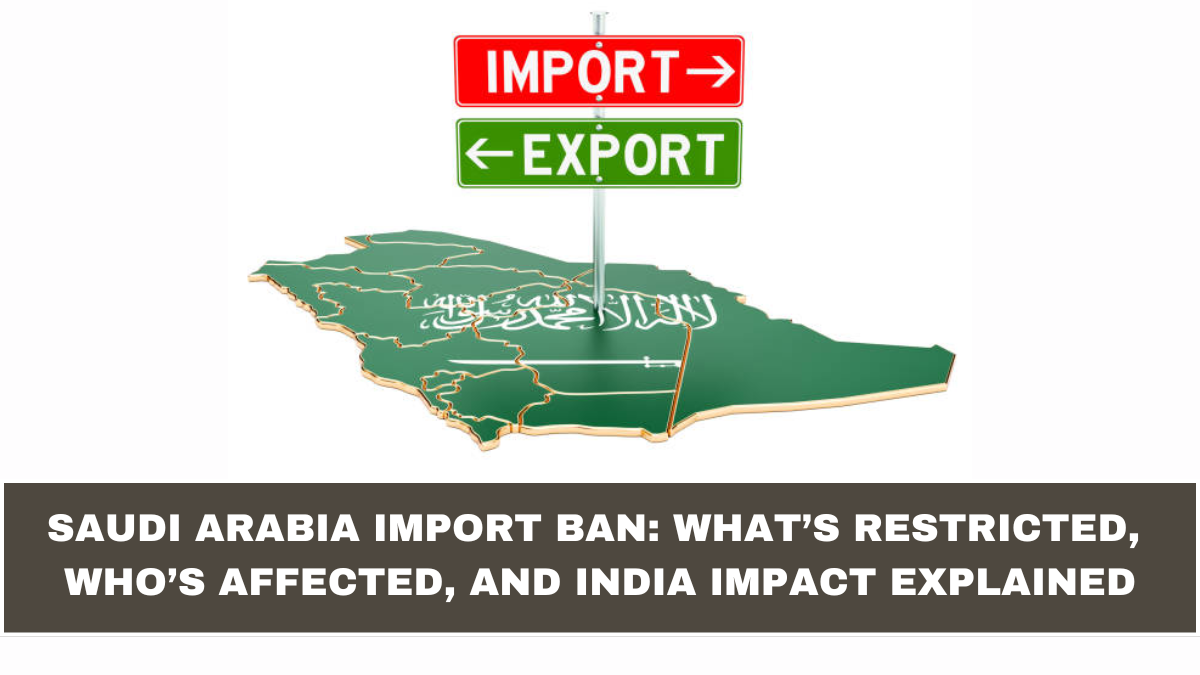
Saudi Arabia has announced restrictions on certain poultry and egg imports, triggering concern among exporters — especially in countries like India that supply agricultural and food products to the Gulf region.
The move has raised questions about what exactly is banned, why the decision was taken, and how it could impact exporters, domestic prices, and bilateral trade.
Here’s a clear breakdown of what changed and what it means.
What Products Are Affected
The import restrictions primarily target:
• Poultry meat from selected regions
• Processed chicken products
• Table eggs and egg-based products (in specific cases)
• Hatchery-related poultry material (depending on health status)
Such bans are typically imposed on the basis of sanitary and phytosanitary (SPS) concerns — especially if there are reports of avian influenza (bird flu) or other poultry-related diseases in exporting regions.
The restrictions may not apply to the entire exporting country but can be limited to specific states or zones.
Why Saudi Arabia Imposed the Ban
Import bans on poultry products are commonly triggered by:
• Detection of avian influenza outbreaks
• Failure to meet veterinary health certification standards
• Changes in biosecurity compliance
• Preventive health measures to protect domestic poultry
Saudi authorities often follow international animal health guidelines to prevent disease spread into their domestic farming systems.
These measures are usually temporary and subject to review based on updated health data from exporting countries.
How This Impacts Indian Exporters
India exports poultry and egg products to several Middle Eastern countries, including Saudi Arabia. If the ban applies to Indian-origin products from certain states, exporters could face:
• Immediate shipment delays
• Increased compliance documentation
• Contract cancellations or renegotiations
• Financial losses for producers
Small and medium poultry exporters are generally more vulnerable to sudden trade restrictions compared to large integrated producers.
If shipments are halted, exporters may need to redirect supplies to alternative markets, often at lower margins.
Could This Affect Prices in India?
When exports slow down due to import bans, domestic supply increases.
In basic supply-demand terms, price pressure depends on how much product remains in the domestic market. If supply rises while demand remains steady, prices can soften.
This relationship is often explained through the supply-demand framework:
Qd=QsQ_d = Q_sQd=Qs
At equilibrium, quantity demanded equals quantity supplied. When export demand falls, the supply curve effectively shifts, potentially leading to lower prices in the short term.
Possible impacts include:
• Temporary drop in wholesale poultry prices
• Pressure on egg prices in surplus-producing states
• Reduced farmgate earnings
However, if the ban is limited in scope or short in duration, price effects may remain moderate.
Who Else Is Affected
Apart from exporters, other stakeholders include:
• Poultry farmers
• Feed suppliers
• Cold storage operators
• Logistics companies
• Importers in Saudi Arabia
Saudi importers may need to source poultry from alternative suppliers such as Brazil, the US, or other approved markets, depending on certification status.
Is the Ban Permanent?
Most poultry-related import bans are temporary and lifted once:
• Health authorities confirm disease containment
• Exporting countries submit updated safety certifications
• Bilateral inspections or audits are completed
Trade between Saudi Arabia and India has historically resumed after similar health-based restrictions were reviewed and cleared.
Exporters often work closely with government agencies to restore market access as quickly as possible.
What Happens Next
Key developments to watch:
• Official notifications clarifying which regions are restricted
• Diplomatic discussions between trade and agriculture ministries
• Updates from veterinary and animal health authorities
• Revised export guidelines
If the health situation stabilizes and compliance standards are met, restrictions may be eased in phases.
In the meantime, exporters are likely to diversify markets and adjust supply chains to reduce risk exposure.
FAQs
Why did Saudi Arabia ban poultry imports?
The restriction is typically linked to animal health concerns such as avian influenza or biosecurity compliance issues.
Are all Indian poultry exports banned?
Usually, bans apply to specific regions or zones rather than the entire country. The scope depends on official notifications.
Will chicken and egg prices fall in India?
If export volumes drop significantly, domestic supply could increase, potentially leading to temporary price softness.
How long do such import bans last?
They are often temporary and reviewed once health authorities confirm safety and containment measures.
Can exporters shift to other markets?
Yes, exporters may redirect shipments to alternative countries, though pricing and demand conditions may differ.