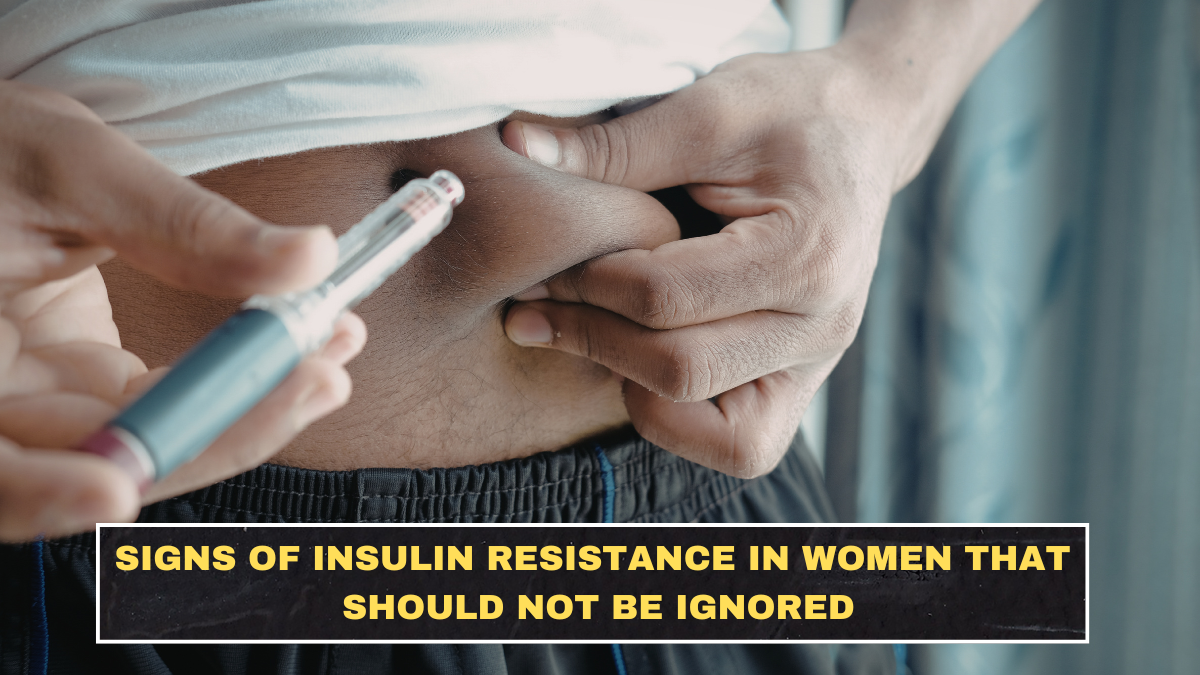
Insulin resistance means the body is not responding to insulin as well as it should, so the pancreas has to make more insulin to help move glucose into cells. That sounds technical, but the real-life effect is simpler: the body starts working harder just to do something basic. Over time, this can push blood sugar higher and raise the risk of prediabetes and type 2 diabetes. The frustrating part is that insulin resistance often develops quietly, which is why so many women miss it until the problem gets bigger.
Why do so many women not realize it is happening?
Because insulin resistance usually does not arrive with one dramatic warning sign. NIDDK says people with insulin resistance and prediabetes usually have no symptoms at all, and CDC says prediabetes can go on for years without clear symptoms. That is exactly why this gets missed. Women often assume their fatigue, weight changes, cravings, or cycle issues are just stress, aging, or bad luck. Sometimes that is true. A lot of the time, it is the body waving a flag much earlier than people want to admit.
What signs do women actually notice first?
The early signs are often the vague ones people brush aside. Feeling tired a lot, gaining weight more easily, especially around the middle, struggling to lose weight, and having energy crashes after meals are the kinds of complaints that keep showing up in real life. The trap is that none of those symptoms prove insulin resistance on their own. They are clues, not a diagnosis. MedlinePlus notes that many people with type 2 diabetes develop symptoms slowly, and some do not notice much at all until blood sugar problems become more obvious.
Which skin changes should raise more suspicion?
One of the clearest physical signs is acanthosis nigricans, which looks like dark, thick, velvety skin, often around the neck or armpits. MedlinePlus specifically links acanthosis nigricans with insulin resistance, and it also appears as a risk marker in diabetes guidance. Skin tags can also show up more often in women dealing with insulin resistance, especially when PCOS is part of the picture. This is one of those signs people dismiss as cosmetic, when it can actually be a useful clue that the body is under metabolic strain.
| Sign women may notice | Why it matters |
|---|---|
| Constant fatigue | Blood sugar and insulin problems can affect energy |
| Weight gain around the middle | Common pattern seen with insulin resistance |
| Dark, velvety skin patches | Can be a visible clue like acanthosis nigricans |
| Skin tags | Sometimes show up alongside insulin issues |
| Irregular periods | May overlap with PCOS and insulin resistance |
What does insulin resistance have to do with hormones?
A lot more than people think. Insulin resistance is strongly tied to PCOS, and PCOS is one of the most common hormone-related conditions affecting women. MedlinePlus says insulin resistance is one of the factors involved in PCOS, and Women’s Health.gov notes that many women with PCOS have insulin resistance. That means the signs do not always stay in the “blood sugar” lane. They can show up through irregular periods, acne, excess hair growth, or difficulty managing weight. This is why women sometimes get bounced between “hormone issues” and “metabolic issues” when the two are clearly connected.
Can fatigue and belly fat alone prove insulin resistance?
No, and this is where internet advice gets sloppy. Belly fat, fatigue, cravings, and low energy can happen for many reasons. The honest answer is that insulin resistance is often suspected through a pattern, not one symptom. Risk goes up if there is a history of PCOS, gestational diabetes, inactivity, low HDL, high triglycerides, or a family history of diabetes. MedlinePlus also lists acanthosis nigricans and PCOS among important type 2 diabetes risk factors. In other words, context matters. Anyone trying to diagnose insulin resistance from one selfie and two symptoms is guessing.
When should a woman talk to a doctor about testing?
She should bring it up when the pattern is there, not after years of denial. If fatigue is persistent, weight is getting harder to manage, dark skin patches are showing up, periods are irregular, or there is a history of PCOS or gestational diabetes, it is reasonable to ask about blood sugar testing. CDC says people with risk factors for prediabetes should talk to a doctor about getting tested, and NIDDK makes clear that insulin resistance often stays silent until testing or more advanced blood sugar problems reveal it. Waiting for obvious diabetes symptoms is not a smart plan.
Why is it a mistake to ignore it?
Because insulin resistance is not just about future diabetes. CDC says prediabetes raises the risk of type 2 diabetes, heart disease, and stroke. That means this is not some minor wellness issue to casually shrug off. It is one of those conditions that stays quiet while the long-term risks build in the background. The earlier it is recognized, the more chance there is to change the direction before it becomes a bigger health problem.
FAQs
Does insulin resistance always cause symptoms?
No. NIDDK says people with insulin resistance and prediabetes usually have no symptoms, which is a big reason it often gets missed.
What skin sign is linked to insulin resistance?
Acanthosis nigricans, which is dark, thick, velvety skin around areas like the neck or armpits, is a well-known clue.
Is insulin resistance connected to PCOS?
Yes. Major medical sources say insulin resistance is commonly linked with PCOS and may contribute to its symptoms.
When should women ask for testing?
They should ask when risk factors or a pattern are present, especially with fatigue, weight struggles, irregular periods, PCOS history, gestational diabetes history, or dark skin patches.