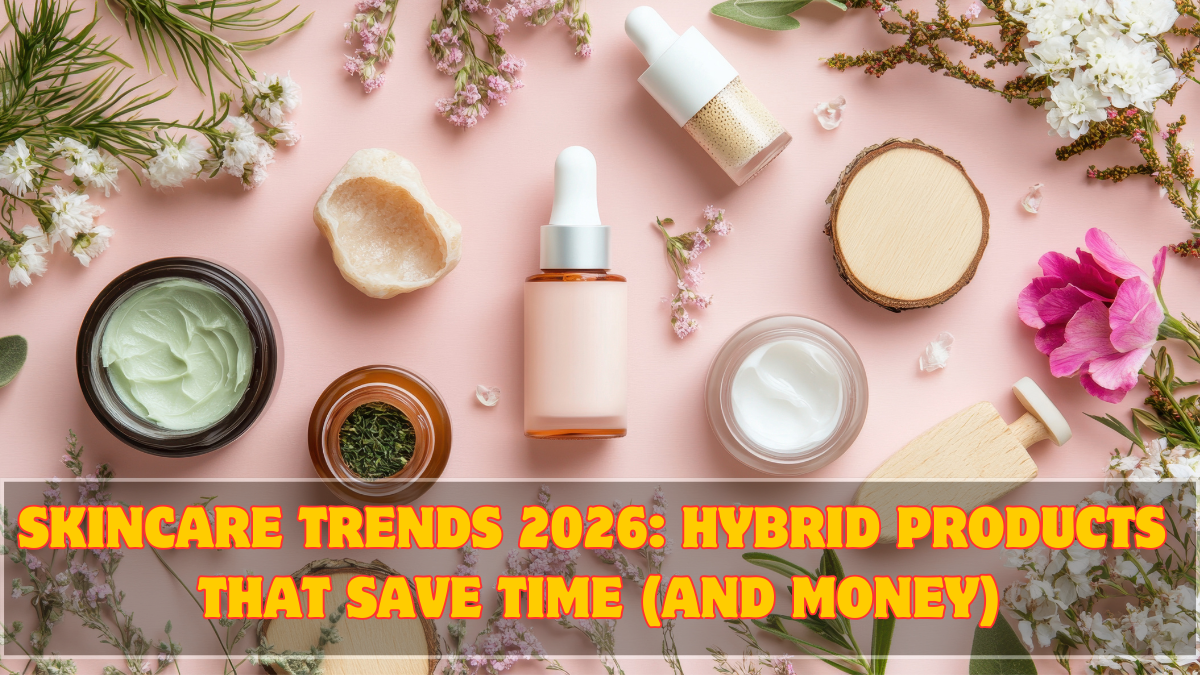
Skincare trends 2026 are brutally practical. The era of 10-step routines and single-purpose products is fading fast. People want fewer bottles, faster routines, and products that actually earn their place. The clear winner this year? Hybrid formulas—products that do two jobs well instead of one job loudly.
This shift isn’t about laziness. It’s about efficiency, skin barrier health, and realism.
Why Hybrid Skincare Is Dominating in 2026
The push toward hybrids happened for clear reasons.
Hybrid skincare is rising because:
• People are cutting routines, not expanding them
• Skin barrier damage from over-layering is common
• Makeup and skincare lines are blurring
• Time and cost efficiency matter more
If a product doesn’t save time or improve skin health, it’s getting cut.
What “Hybrid Skincare” Actually Means
Hybrid doesn’t mean gimmick.
A true hybrid product:
• Replaces two separate steps
• Doesn’t weaken either function
• Supports skin barrier health
If it only claims dual benefits but underperforms at both, it’s not a hybrid—it’s marketing.
Hybrid SPF-Serum: The Biggest Shift of 2026
The hybrid SPF-serum is one of the most searched formats this year.
Why it works:
• Lightweight texture
• Daily-wear friendly
• Easier sunscreen compliance
People skip sunscreen less when it feels like skincare—not armor.
Peptide Tints: Makeup That Respects Skin
Peptide tint products sit right at the skincare–makeup border.
They offer:
• Light coverage
• Skin-conditioning benefits
• Comfortable daily wear
Instead of hiding skin, they support it.
The Rise of Skincare-Makeup Blends
The skincare-makeup blend category is exploding.
Popular formats include:
• Serum foundations
• Tinted sunscreens
• Lip products with barrier support
Makeup is no longer expected to sit on skin—it must work with skin.
Why Heavy Coverage Is Losing Popularity
Heavy makeup clashes with current skin realities.
Problems with heavy layers:
• Emphasise texture
• Stress damaged barriers
• Require more removal and friction
Hybrid products keep skin calmer over time.
Barrier-First Formulations Are Non-Negotiable
In 2026, products that damage the barrier don’t survive.
Trends now prioritise:
• Lower irritation potential
• Barrier-repair ingredients
• Long-term tolerance
If skin can’t tolerate daily use, the product fails.
Multifunctional Products That Actually Make Sense
Some combinations work better than others.
High-performing hybrids:
• Sunscreen + moisturiser
• Tint + treatment
• Lip colour + barrier repair
Bad hybrids try to do too much at once.
Why “Glow” Is Being Redefined
Glow in 2026 isn’t shiny—it’s healthy.
The new glow standard:
• Even tone
• Comfortable skin
• Natural finish
Hybrids support this by avoiding over-processing.
Who Hybrid Skincare Works Best For
Hybrid products shine for:
• Busy routines
• Sensitive skin types
• Minimalist skincare users
• Daily wearers
They reduce friction—not performance.
Who Should Be Careful With Hybrids
Hybrids aren’t for everything.
Be cautious if:
• You need prescription-strength treatment
• You expect makeup-level coverage
• You use actives aggressively
Hybrids support—not replace—medical skincare.
Why Brands Are Pivoting Hard to Hybrid Formulas
Brands follow behaviour.
Hybrids:
• Increase daily usage
• Reduce routine drop-off
• Improve repurchase rates
People stick with what feels easy.
Cost Reality: Hybrids Save Money Long-Term
They seem expensive—but aren’t.
Because:
• One product replaces two
• Less experimentation waste
• Fewer impulse buys
Cost-per-use often drops.
What to Skip in 2026 Skincare Trends
Trends losing relevance:
• Over-layering routines
• Single-purpose niche serums
• Heavy matte finishes
They don’t match current skin needs.
How to Build a 2026 Hybrid-Friendly Routine
Simple approach:
• Cleanser
• Hybrid moisturiser/SPF
• One targeted treatment (if needed)
That’s enough for most people.
Why This Trend Isn’t Going Anywhere
Hybrid skincare aligns with:
• Minimalist routines
• Barrier repair awareness
• Lifestyle constraints
It’s structural—not seasonal.
Conclusion
Skincare trends 2026 are about smarter formulations, not more steps. Hybrid SPF-serums, peptide tints, and skincare-makeup blends are winning because they respect skin biology and real-life routines. When one product does two jobs well, everyone wins—your skin, your time, and your wallet.
The future of skincare isn’t bigger routines. It’s better design.
FAQs
What are hybrid skincare products?
Products that combine two functional steps, like skincare and makeup.
Are hybrid SPF-serums effective as sunscreen?
Yes—if they meet proper SPF testing standards and are applied correctly.
Do peptide tints replace foundation?
They replace heavy coverage for everyday wear, not full-glam makeup.
Is hybrid skincare good for sensitive skin?
Often yes, because it reduces layering and irritation.
Will hybrid skincare replace traditional routines?
For daily use, yes. Targeted treatments will still exist.