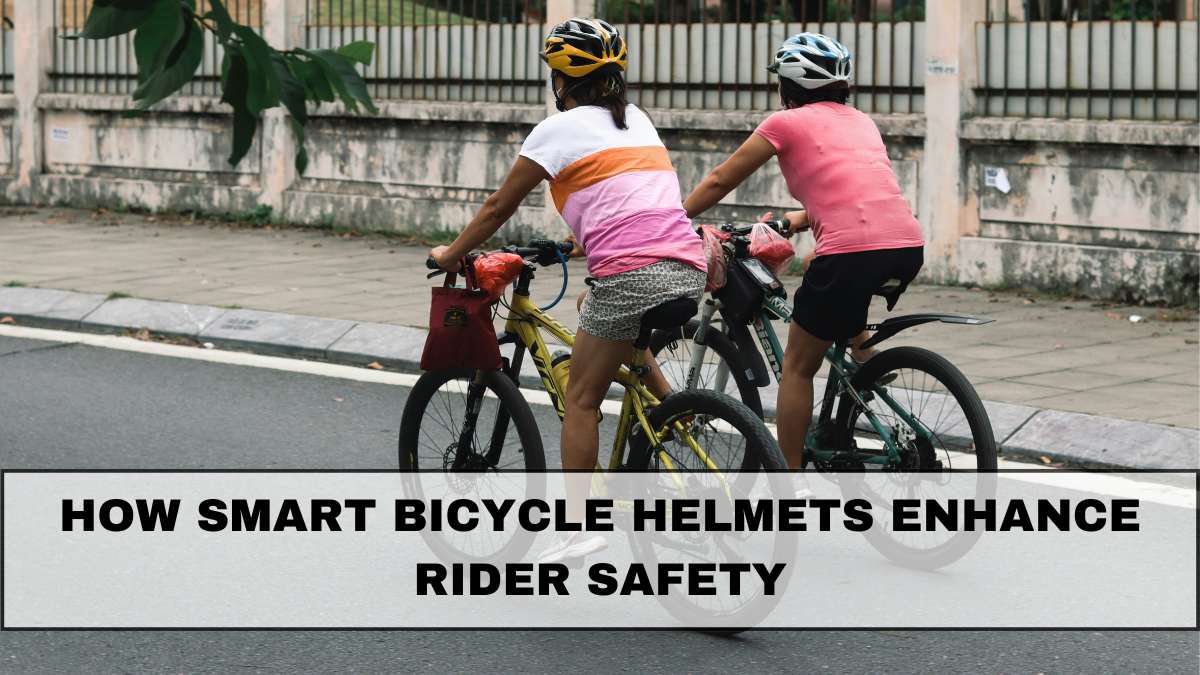
Cycling is increasingly popular in 2025, both for urban commuting and recreational purposes. However, safety remains a key concern for riders, particularly in crowded cities or high-traffic areas. Smart bicycle helmets are emerging as an innovative solution, combining advanced technology with traditional head protection. These helmets enhance rider safety through integrated sensors, real-time alerts, and connected features, making cycling safer, smarter, and more enjoyable.

What Are Smart Bicycle Helmets?
Smart bicycle helmets are modern protective gear equipped with sensors, lights, cameras, and connectivity features. Unlike traditional helmets, they offer more than just physical protection—they act as safety hubs for riders. Common features include:
-
Impact Sensors: Detect collisions and alert emergency contacts.
-
Turn Indicators and LED Lights: Improve visibility and communication with other road users.
-
Bluetooth Connectivity: Enables hands-free calls, GPS navigation, and music without distraction.
-
Crash Detection Alerts: Automatically notify emergency contacts with location details in case of accidents.
-
Integrated Cameras: Capture rides or incidents for security and sharing purposes.
By integrating technology with safety gear, smart helmets address multiple risks faced by cyclists on modern roads.
Benefits of Smart Bicycle Helmets
Smart helmets provide both physical and technological advantages for riders:
-
Enhanced Visibility
LED lights, turn signals, and reflective materials make cyclists more visible to motorists, especially at night or in low-light conditions. -
Accident Prevention
Built-in sensors detect sudden stops, collisions, or unusual motion patterns, allowing preventive alerts to riders. -
Emergency Assistance
Crash detection features automatically contact emergency services or family members, reducing response time. -
Convenience and Connectivity
Bluetooth integration lets riders navigate, communicate, and stay informed while keeping hands on the handlebars. -
Ride Documentation
Cameras record journeys for safety, training, or sharing experiences on social media platforms. -
Encouragement of Cycling Culture
By enhancing safety and convenience, smart helmets motivate more people to adopt cycling as a regular mode of transport.
These advantages make smart helmets a valuable investment for daily commuters, fitness cyclists, and urban riders alike.
How Smart Bicycle Helmets Work
Smart helmets combine multiple technologies to ensure comprehensive safety:
-
Sensors and Accelerometers: Detect sudden movements or impacts that indicate a crash.
-
GPS Tracking: Provides accurate location information to riders and emergency contacts.
-
Wireless Connectivity: Connects to smartphones via Bluetooth for notifications, calls, and navigation.
-
Lighting Systems: Turn signals and brake indicators communicate rider intentions to others.
-
Companion Apps: Enable monitoring of helmet status, battery life, riding statistics, and health data.
Together, these features create a proactive safety system rather than reactive protection alone.
Applications and Use Cases
Smart bicycle helmets are suitable for diverse riding scenarios:
-
Urban Commuting: Improve safety in heavy traffic and unpredictable urban environments.
-
Cycling Enthusiasts: Capture scenic rides, track performance, and enhance safety for recreational cyclists.
-
Fitness and Health Tracking: Monitor activity levels, calories burned, and ride statistics.
-
Delivery and Last-Mile Workers: Ensure safety for riders covering multiple kilometers daily.
-
School and College Students: Encourage safe cycling habits among young riders.
These applications highlight the versatility and practicality of smart helmets for different types of cyclists.
Why Smart Bicycle Helmets Are Trending in 2025
Several factors contribute to the rising popularity of smart helmets:
-
Urbanization and Traffic Growth: Increasing city traffic makes traditional helmets insufficient for safety needs.
-
Technology Integration: Riders prefer helmets with multiple connected features for convenience and protection.
-
Safety Awareness: Growing awareness of cycling risks encourages investment in advanced protective gear.
-
Government Incentives and Regulations: Some regions promote cycling and smart safety equipment through subsidies or guidelines.
-
Fitness and Lifestyle Trends: More people cycle for fitness, and tech-enabled gear adds value and motivation.
The combination of safety, technology, and lifestyle appeal drives widespread adoption among cyclists in 2025.
Tips for Choosing a Smart Bicycle Helmet
When selecting a smart helmet, consider the following factors:
-
Safety Certifications: Ensure the helmet meets local safety standards such as CPSC, EN1078, or equivalent.
-
Battery Life: Check for sufficient battery life for daily commuting or long rides.
-
Fit and Comfort: A proper fit ensures safety and comfort during extended rides.
-
Connectivity Features: Evaluate Bluetooth, GPS, and app integration options.
-
Visibility Enhancements: Look for integrated lights, reflective elements, and turn indicators.
-
Weight and Aerodynamics: Lightweight and streamlined helmets improve comfort and cycling efficiency.
A carefully chosen smart helmet maximizes safety and user experience.
Future of Smart Bicycle Helmets
The future of smart helmets is promising, with potential innovations including:
-
AI-Powered Collision Detection: Advanced algorithms predict and prevent potential accidents.
-
Augmented Reality Displays: Heads-up display (HUD) for navigation, notifications, and ride metrics.
-
Solar-Powered Helmets: Reduce the need for frequent charging while maintaining LED functionality.
-
Integration with Smart Cities: Connected infrastructure may allow helmets to communicate with traffic systems for enhanced safety.
-
Health Monitoring Features: Track heart rate, oxygen levels, and stress indicators during rides.
These advancements indicate that smart helmets will continue to redefine cycling safety and convenience in the coming years.
FAQs
What is a smart bicycle helmet?
It is a helmet equipped with sensors, lights, GPS, and connectivity features to enhance cycling safety and provide real-time alerts.
How do smart helmets improve safety?
They increase visibility, prevent accidents, detect crashes, notify emergency contacts, and provide rider data for safer commuting.
Are smart helmets suitable for all cyclists?
Yes, they benefit urban commuters, recreational cyclists, delivery riders, and fitness enthusiasts.
Do smart helmets require charging?
Most smart helmets have rechargeable batteries for lights, sensors, and connectivity; battery life varies by model.
Click here to know more.