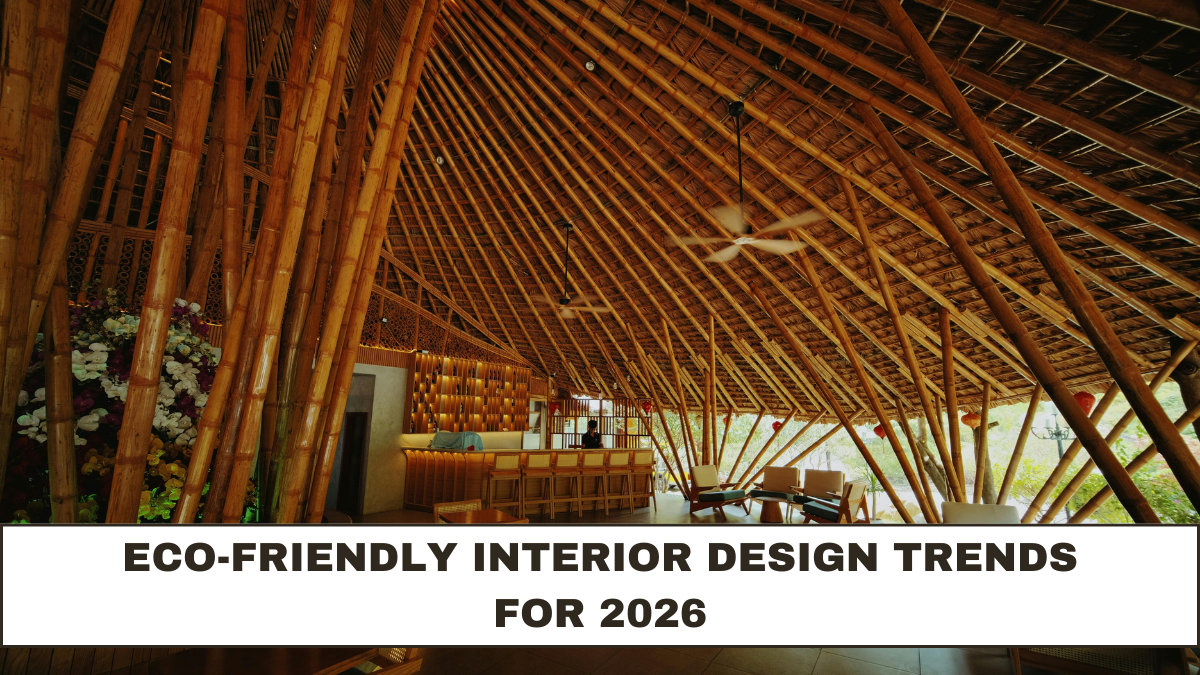
In 2026, sustainable interior design is no longer just a trend—it’s a lifestyle choice for conscious homeowners. Combining eco design principles with aesthetic appeal, people are creating homes that are both stylish and environmentally responsible. From furniture and lighting to color schemes and materials, home decor is becoming greener, smarter, and more purposeful.
The focus is on reducing waste, using renewable resources, and promoting healthier living spaces while maintaining a visually striking interior.
Why Sustainable Interior Design Matters in 2026
Sustainability in interior design addresses both environmental concerns and personal wellbeing. The growing interest in sustainable interior design reflects a shift towards mindful living.
Key reasons for its popularity include:
• Reducing carbon footprint through eco-friendly materials
• Minimizing waste with upcycled and reclaimed decor
• Promoting health with non-toxic paints and finishes
• Creating long-lasting, timeless designs instead of disposable trends
• Aligning personal style with conscious lifestyle choices
This trend demonstrates that beauty, function, and sustainability can coexist harmoniously.
Eco-Friendly Materials and Furniture
One of the core elements of sustainable interior design is the selection of eco-friendly materials. Homeowners and designers in 2026 are prioritizing products that are renewable, recycled, or biodegradable.
Popular options include:
• Bamboo and reclaimed wood for furniture and flooring
• Recycled metals and glass for fixtures and decorative pieces
• Organic cotton, linen, or hemp fabrics for upholstery and curtains
• Low-VOC or plant-based paints for a healthier home environment
• Upcycled furniture and decor to reduce landfill waste
These materials combine durability with aesthetic appeal while lowering environmental impact.
Energy-Efficient Lighting and Appliances
Energy conservation is a key principle in eco design. Sustainable interior design in 2026 focuses on reducing energy usage without compromising style.
Trending solutions include:
• LED lighting and smart bulbs for efficient illumination
• Solar-powered or energy-harvesting devices
• Energy-efficient kitchen and household appliances
• Automated lighting and climate control for optimized energy use
• Task-specific lighting to reduce overall consumption
Energy-conscious choices not only save costs but also contribute to a more sustainable lifestyle.
Minimalist and Functional Home Decor
Minimalism plays a significant role in home decor trends for 2026. Sustainable interiors emphasize functionality, simplicity, and thoughtful design.
Key ideas include:
• Decluttering spaces and prioritizing multi-purpose furniture
• Open layouts to enhance natural light and airflow
• Neutral tones with natural textures for timeless appeal
• Flexible storage solutions to reduce overconsumption
• Incorporating indoor plants for air purification and aesthetics
Minimalist design supports both sustainability and a peaceful living environment.
Biophilic Design and Indoor Nature
Biophilic design, or integrating nature into interiors, is a major trend in 2026 eco design. This approach enhances wellbeing while reinforcing sustainability.
Trends include:
• Indoor plants and vertical gardens
• Living walls and moss panels
• Natural light maximization with large windows
• Water features and natural stone accents
• Organic textures like rattan, jute, and cork
Biophilic elements create calm, healthy spaces while connecting residents with the natural world.
Sustainable Decor Accessories
Even small touches in home decor can reflect sustainability. In 2026, eco-friendly accessories are becoming a key part of interior design.
Examples include:
• Handmade pottery, woven baskets, and artisan pieces
• Recycled or reclaimed glass and metal decor items
• Organic textiles for cushions, rugs, and throws
• Eco-conscious candles and fragrance diffusers
• DIY or upcycled artwork for personal expression
These thoughtful details enhance the style and reinforce environmentally conscious choices.
Technology-Enhanced Sustainable Homes
Smart home technology supports sustainable interior design by improving energy efficiency and comfort.
Innovations include:
• Smart thermostats and climate control systems
• Automated water-saving devices
• Energy monitoring apps for appliances and lighting
• Solar panel integration for eco-friendly power
• Smart sensors to optimize natural lighting usage
Tech integration ensures sustainable interiors are functional, convenient, and environmentally responsible.
Conclusion
Sustainable interior design in 2026 combines eco design principles with modern aesthetics to create stylish, functional, and environmentally friendly homes. By using eco-friendly materials, energy-efficient lighting, minimalist layouts, biophilic elements, and technology, homeowners can enjoy beautiful interiors while supporting a greener planet. As sustainability continues to shape home decor, conscious choices in design will become a defining trend for years to come.
FAQs
What are the key elements of sustainable interior design?
Eco-friendly materials, energy-efficient appliances, minimalist layouts, biophilic elements, and recycled decor are essential components.
How can I make my home eco-friendly without major renovations?
Incorporate recycled or upcycled furniture, use low-VOC paints, add indoor plants, and choose energy-efficient lighting and appliances.
What is biophilic design?
Biophilic design integrates natural elements like plants, natural light, water features, and organic textures into interior spaces.
How can technology support sustainable interiors?
Smart thermostats, automated lighting, energy monitoring apps, and solar integration help optimize energy use and sustainability.
Are sustainable interior trends expensive?
Not necessarily. Many sustainable choices, like upcycling, minimalist design, and natural materials, are cost-effective while enhancing style and functionality.
Click here to know more.