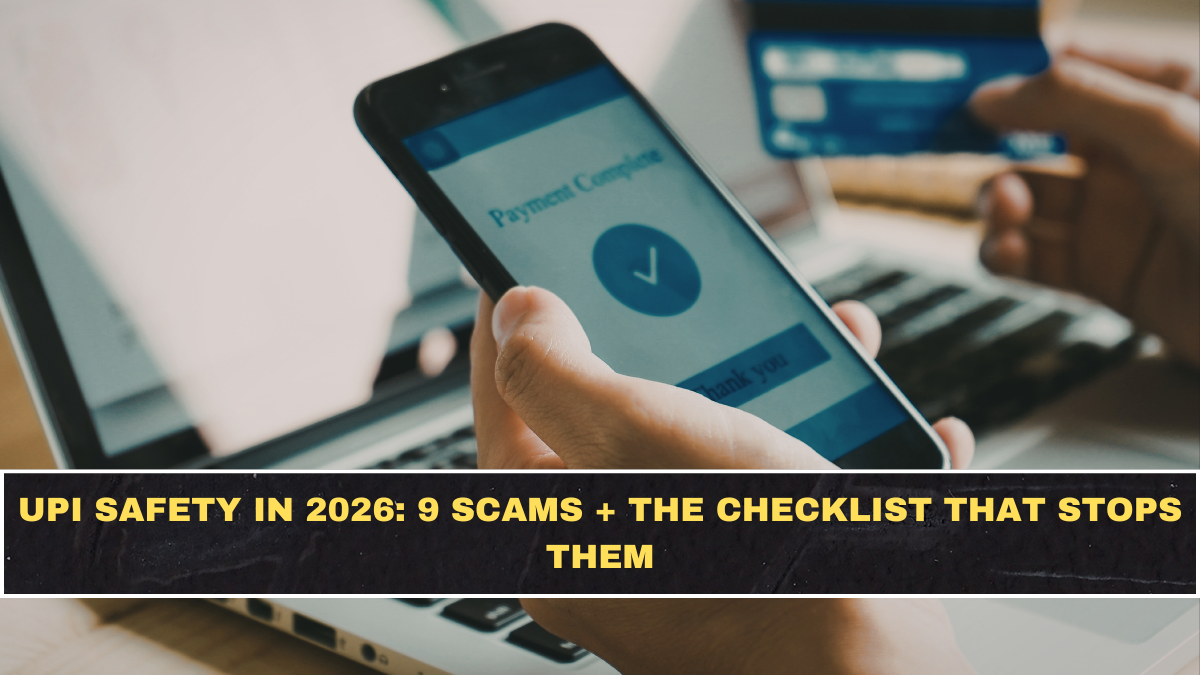
Digital payments have made transactions faster and more convenient, but they have also increased the risk of financial fraud. Understanding UPI safety tips 2026 is essential as scammers continue to develop new methods to exploit users through fake requests, deceptive links, and social engineering tactics.
Many fraud cases occur not because of system failure but due to user mistakes such as approving unknown payment requests or scanning fake QR codes. Awareness and simple preventive steps can eliminate most risks and protect hard-earned money.
As digital payments become central to daily life, safe usage habits are no longer optional — they are necessary financial skills.
Why UPI Scams Are Increasing in 2026
The rapid growth of digital payments has created more opportunities for fraudsters. Increased adoption, faster transactions, and instant transfers make UPI a common target for scams.
The rise in fraud attempts is driven by:
-
Higher digital payment usage
-
Lack of user awareness
-
Instant transfer nature of UPI
-
Social engineering tactics
-
Difficulty reversing fraudulent transactions
Understanding common scam patterns helps prevent financial loss.
The Most Common UPI Scams in 2026
Fraudsters use various techniques to trick users into authorizing payments. Recognizing these scams is the first step toward prevention.
Common UPI fraud methods include:
-
Fake “collect” payment requests
-
QR code manipulation scams
-
Refund or cashback fraud calls
-
Impersonation of bank representatives
-
Fake customer support numbers
-
Payment screenshot scams
-
Job or reward-based payment traps
-
Social media transaction fraud
-
Phishing links requesting payment details
Most scams rely on urgency and confusion to manipulate users.
Collect Request Scam: The Biggest Risk
A collect request asks users to approve a payment. Fraudsters often disguise such requests as refunds, rewards, or service charges.
Key warning signs include:
-
Unexpected payment request notifications
-
Requests claiming money credit after approval
-
Pressure to approve immediately
-
Unknown sender details
Approving a collect request sends money, not receives it.
QR Code Scam Explained
Many users assume scanning a QR code only receives money, but fraudsters exploit this misconception.
QR-related risks include:
-
Fake payment QR codes
-
Tampered merchant codes
-
Scams claiming payment confirmation after scanning
-
Requests to scan codes for refunds
Scanning a QR code may initiate a payment authorization process.
Fake Customer Support and Impersonation Fraud
Fraudsters often impersonate bank officials or service providers to gain trust.
Common tactics include:
-
Calls requesting OTP or PIN details
-
Fake support numbers on search results
-
Claims of account suspension or security issues
-
Urgent instructions to transfer funds
Banks never ask for confidential information over calls.
The UPI Safety Checklist Everyone Should Follow
A simple checklist can prevent most fraud attempts.
Essential safety practices include:
-
Never approve unknown collect requests
-
Verify recipient details before payment
-
Avoid scanning unknown QR codes
-
Never share UPI PIN or OTP
-
Use official apps and verified numbers
-
Ignore urgent payment pressure
-
Check transaction notifications carefully
-
Enable app security features
-
Monitor account activity regularly
Consistent application of these steps ensures safe transactions.
How to Verify a Safe UPI Transaction
Verification reduces risk and ensures payments go to the correct recipient.
Important verification steps include:
-
Checking recipient name before approval
-
Confirming transaction amount carefully
-
Verifying merchant authenticity
-
Reviewing payment purpose
-
Double-checking account details
Careful verification prevents accidental transfers.
What To Do If You Become a Victim of UPI Fraud
Quick action improves chances of recovery in case of fraudulent transactions.
Immediate steps include:
-
Reporting fraud to bank immediately
-
Blocking UPI access if required
-
Filing complaint through official payment channels
-
Recording transaction details
-
Monitoring account activity
Timely reporting increases chances of resolution.
Role of Transaction Alerts and App Security
Security features provided by payment apps help detect unauthorized activity.
Important security measures include:
-
Instant transaction alerts
-
App lock and device authentication
-
Biometric verification
-
Secure login features
Using available security tools adds an extra protection layer.
Why User Awareness Is the Strongest Protection
Technology alone cannot eliminate fraud risk. User awareness remains the most effective defense against scams.
Benefits of awareness include:
-
Better decision-making during transactions
-
Early detection of fraud attempts
-
Reduced financial loss risk
-
Safer digital payment behavior
Knowledge prevents most fraud incidents.
How Digital Payment Safety Is Evolving
The digital payment ecosystem continues to improve security measures. Regulatory oversight, improved fraud detection systems, and user awareness programs strengthen protection.
Key safety developments include:
-
Stronger transaction monitoring systems
-
Faster fraud reporting mechanisms
-
Improved consumer protection measures
-
Enhanced payment authentication systems
Security evolves with changing digital payment trends.
Conclusion
The rise of digital payments makes understanding UPI safety tips 2026 essential for protecting financial assets. Most fraud attempts rely on user approval or confusion, making awareness and verification the strongest defenses.
By following safety practices, verifying transactions carefully, and responding quickly to suspicious activity, users can enjoy the convenience of digital payments without risking financial loss. Safe digital behavior remains the foundation of secure financial transactions.
FAQs
What is the most common UPI scam in 2026?
Fake collect payment requests and QR code scams are among the most common fraud methods.
Can scanning a QR code lead to money loss?
Yes. Some QR codes may trigger payment authorization requests.
Should I share my UPI PIN or OTP with anyone?
No. These details must never be shared.
What should I do if I receive a suspicious payment request?
Do not approve it and verify the sender before taking any action.
Can UPI fraud transactions be reversed?
Recovery depends on quick reporting and bank procedures, so immediate action is essential.