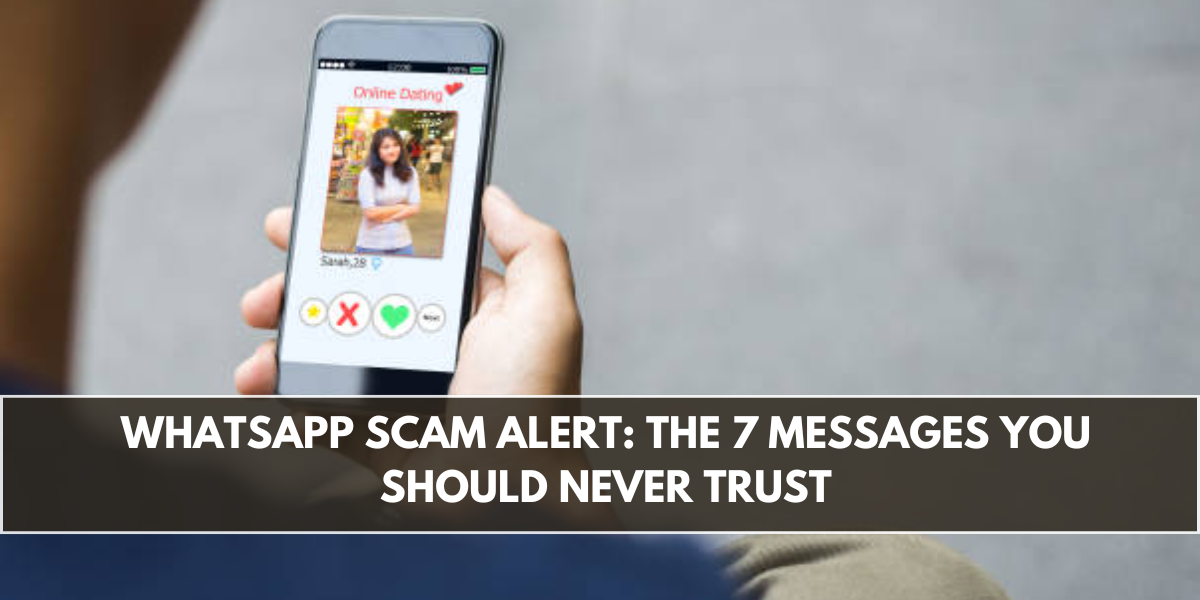
Search interest around WhatsApp scam messages has increased as fraudsters increasingly use messaging platforms to target users. With hundreds of millions of active users in India, WhatsApp has become one of the most widely used communication apps in the country. This massive user base also makes it a major target for cybercriminals attempting to run scams through fake messages, phishing links, and impersonation tactics.
Many scams rely on psychological manipulation rather than technical hacking. Fraudsters often try to create urgency or emotional pressure so that victims act quickly without verifying the authenticity of the message. Understanding the common patterns used in these scams is one of the most effective ways to avoid becoming a victim.
WhatsApp Usage in India
India is one of the largest markets for WhatsApp globally, which explains why scammers often target users on the platform.
| Metric | Data |
|---|---|
| Estimated WhatsApp Users in India | 500+ million |
| Launch Year of WhatsApp | 2009 |
| Parent Company | Meta Platforms |
| Type of Platform | Encrypted messaging service |
The platform’s wide adoption means scams can spread quickly through forwarded messages or fake accounts.
The 7 WhatsApp Messages You Should Never Trust
Many WhatsApp scams follow similar patterns. Fraudsters often send messages that attempt to trick users into sharing sensitive information or clicking malicious links.
| Scam Message Type | How the Scam Works |
|---|---|
| OTP Request | Fraudster asks for OTP claiming account verification |
| Fake Job Offer | Promises high-paying remote work with registration fee |
| Bank Account Warning | Claims account will be blocked unless details are shared |
| Prize or Lottery Win | Says user has won money or rewards |
| Fake Delivery Alert | Asks users to click link to track a package |
| Friend Emergency Message | Impersonates someone asking for urgent money |
| Investment Scheme | Promises unrealistic profits through crypto or trading |
These messages often appear convincing because scammers copy official logos or impersonate trusted individuals.
Signs That a WhatsApp Message Is a Scam
Fraudulent messages often contain warning signs that users can identify if they read carefully before responding.
| Warning Sign | What It Means |
|---|---|
| Urgent language | Scammers try to create panic |
| Unknown links | May lead to phishing websites |
| Request for OTP or PIN | Legitimate companies never ask for these |
| Suspicious phone numbers | Often international or unknown numbers |
| Grammar errors | Many scam messages contain mistakes |
Recognizing these signs can help users stop scams before any damage occurs.
How WhatsApp Accounts Get Compromised
In many cases, scammers do not directly hack accounts but instead trick users into giving them access. The most common method involves OTP-based verification.
| Method | How It Works |
|---|---|
| OTP scam | Victim shares OTP allowing attacker to log in |
| Phishing link | Fake login page steals credentials |
| Fake support agent | Scammer pretends to help recover account |
| Malware links | Downloads harmful software |
Once scammers gain control of an account, they often send messages to the victim’s contacts asking for money.
Security Settings You Should Enable
WhatsApp includes several built-in security features that can significantly reduce the risk of account takeover.
| Security Feature | Purpose |
|---|---|
| Two-Step Verification | Adds a PIN for account login |
| Privacy Controls | Restricts who can see profile info |
| Unknown Link Avoidance | Prevents phishing attempts |
| Block and Report | Stops suspicious contacts |
Enabling these settings strengthens the security of a user’s account.
What To Do If You Receive a Scam Message
If you receive a suspicious message, it is important not to interact with it. Instead, users should verify the sender’s identity through another communication method if the message appears to come from someone they know.
If the message clearly appears fraudulent, the safest option is to block the number and report it through the app. Reporting suspicious accounts helps messaging platforms detect and remove scam networks more quickly.
Conclusion
The rise in WhatsApp scam messages highlights how cybercriminals are adapting to popular communication platforms. While the messaging service itself uses strong encryption, scammers often exploit human behavior through deceptive messages and impersonation tactics.
By recognizing common scam patterns, avoiding suspicious links, and enabling security settings, users can significantly reduce the chances of becoming victims of digital fraud. Awareness and caution remain the most effective defenses against messaging scams.
FAQs
What is the most common WhatsApp scam?
One of the most common scams involves fraudsters asking for an OTP code while pretending to verify an account.
Can someone hack my WhatsApp account?
Most attackers cannot directly hack accounts but may trick users into sharing OTP codes or clicking phishing links.
What should I do if I receive a suspicious message?
Do not click links or share personal details. Block and report the number through WhatsApp.
Is WhatsApp secure?
WhatsApp uses end-to-end encryption, but scams usually rely on social engineering rather than technical hacking.
How can I protect my WhatsApp account?
Enable two-step verification, avoid sharing OTPs, and ignore messages from unknown numbers asking for sensitive information.