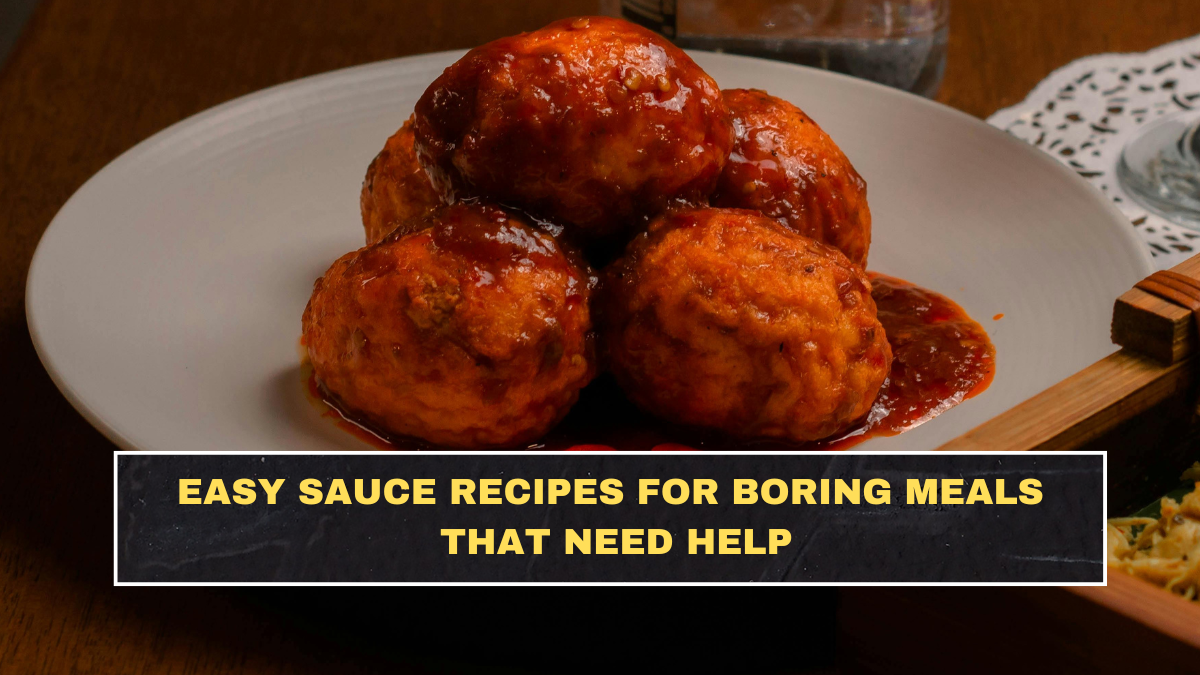
Boring meals usually do not need a full recipe overhaul. They need one good sauce. That is the smarter way to think about weeknight food. A plain bowl of rice, eggs, chicken, roasted vegetables, noodles, or beans can go from forgettable to repeatable fast if the sauce has acid, fat, salt, heat, or creaminess in the right balance. Food media in 2026 is leaning hard into this idea, with outlets like Allrecipes and Food & Wine pushing easy homemade sauces and shortcut flavor boosters as realistic ways to upgrade everyday cooking.
The mistake people make is overcomplicating sauces. They assume a good sauce has to mean a long ingredient list or restaurant-level effort. That is nonsense. The best repeat sauces are usually fast, flexible, and built from pantry basics. They also help solve a real nutrition problem: when home cooks rely heavily on bottled sauces, sodium can climb fast. The American Heart Association still recommends reducing sodium where possible, and Mayo Clinic notes that many people get more sodium than they realize from prepared foods. Homemade sauces give you more control without forcing you into bland food.

Why do easy sauces matter so much for basic meals?
Because repetition is the real enemy in home cooking. Most people do not stop cooking at home because they forgot how. They stop because the meals start tasting the same. A good sauce fixes that without forcing you to buy a whole new grocery list. That is exactly why Allrecipes’ recent easy-sauce coverage framed homemade sauces as a better alternative to depending entirely on bottled versions for salad, meat, pasta, or weeknight meal upgrades.
Sauces also make cheap foods more useful. Rice, potatoes, cabbage, beans, chicken thighs, eggs, and frozen vegetables are all affordable, but they get old fast if you season them the same way every time. A lemony tahini sauce, quick yogurt sauce, spicy peanut sauce, or garlicky tomato sauce can give those same ingredients a completely different personality. Food & Wine’s recent tahini coverage and shortcut-dinner pieces both support this bigger point: small flavor systems do a lot of heavy lifting in practical cooking.
Which easy sauces are most useful to keep in rotation?
| Sauce idea | Best for | Why it works |
|---|---|---|
| Lemon tahini sauce | Roasted vegetables, grain bowls, wraps | Creamy, tangy, fast, and versatile |
| Garlic yogurt sauce | Rice bowls, kebabs, potatoes, eggs | Cool, high-impact, low effort |
| Quick chili crisp soy sauce | Noodles, dumplings, rice, fried eggs | Salty, spicy, instant flavor |
| Peanut-lime sauce | Noodles, slaws, tofu, chicken | Rich, punchy, and meal-like |
| Fast tomato butter sauce | Pasta, beans, meatballs, toast | Comforting and easy to repeat |
| Green herb sauce | Chicken, sandwiches, roasted veg | Makes leftovers feel fresher |
This is the kind of list that actually helps. Each sauce changes the meal direction without demanding an hour of prep. The best ones also use ingredients that overlap with normal home cooking, which makes them much more repeatable than trendy one-off condiments. Food & Wine’s restaurant-style pan sauce guide and Allrecipes’ current homemade-sauce pieces both reflect the same logic: simple, foundational sauces go further than novelty recipes.
What is the easiest creamy sauce to start with?
Garlic yogurt sauce is probably the easiest entry point because it needs almost no cooking skill. Mix plain yogurt with grated garlic, lemon juice, salt, pepper, and a little olive oil. That alone can rescue dry chicken, plain rice, roasted potatoes, or vegetables that otherwise taste like obligation food. It is especially useful if you want something creamy without relying on a heavy bottled dressing.
Lemon tahini sauce is another strong beginner option. Food & Wine’s recent tahini roundup highlights how a basic tahini sauce built with lemon and garlic can work across bowls, vegetables, and Middle Eastern-style meals. That versatility matters because the sauce is only worth making if you will actually use it more than once.
Which sauces help plain carbs the most?
This is where people usually need the most help, because plain carbs are where meal boredom hits hardest. Rice, pasta, noodles, and potatoes become repetitive very quickly if the sauce is weak. A fast tomato butter sauce is one of the best fixes because it makes cheap pantry carbs feel comforting instead of sad. Allrecipes’ recent sauce and quick-dinner coverage also shows how much home cooks still lean on tomato-based sauces for easy flavor without much effort.
For noodles or rice, a quick chili crisp soy sauce or peanut-lime sauce works better because it adds salt, heat, and richness fast. These sauces are useful because they turn “I have leftovers” into “I can make lunch.” That is a much more realistic goal than pretending every meal needs to feel brand new.
How can you make sauces flavorful without loading them with sodium?
Use acid and aromatics better. Lemon juice, vinegar, garlic, ginger, herbs, chili, black pepper, and mustard all help food taste more vivid without needing as much salt. The American Heart Association’s sodium guidance still pushes people to use herbs, spices, citrus, and vinegar to build flavor while reducing salt dependence. That is especially relevant for sauces because bottled versions are often where sodium quietly piles up.
This does not mean homemade sauce has to be joyless. It means you should stop acting as if salt is the only route to flavor. A sharp yogurt sauce, bright herb sauce, or acidic peanut dressing can make a meal taste more awake with less reliance on heavy commercial condiments.
Which sauce ideas work best for people who hate cooking?
Use no-cook or one-bowl sauces. Yogurt sauces, tahini sauces, soy-chili sauces, and blended herb sauces are ideal because they do not require multiple pans or much cleanup. That matters more than recipe purity. A sauce that takes seven minutes and one bowl is much more likely to become a weekly habit than one that starts with “first roast the garlic for 40 minutes.”
Shortcut cooking is not laziness. It is survival. Food & Wine’s recent coverage on store-bought shortcuts and quick sauces supports that reality: home cooks are looking for ways to make meals taste better without turning every dinner into a production.
What is the smartest way to build a sauce habit at home?
Pick three sauce families and repeat them. One creamy sauce, one spicy-salty sauce, and one fresh herb or acidic sauce is enough for most kitchens. That might mean garlic yogurt sauce, chili crisp soy sauce, and a blender herb sauce. Or tahini sauce, peanut-lime sauce, and tomato butter sauce. You do not need twelve jars and sixteen recipe tabs open. You need a few reliable flavor systems that rescue your default meals.
Conclusion
Easy sauce recipes matter because they fix the real problem with home cooking: boredom, not effort alone. The best sauces are fast, flexible, and strong enough to make basic ingredients feel intentional again. Lemon tahini, garlic yogurt, chili-soy, peanut-lime, tomato butter, and fresh herb sauces all work because they deliver big flavor without demanding a complicated routine. If your meals keep tasting flat, the answer is probably not a whole new cooking identity. It is one better sauce.
FAQs
What is the easiest homemade sauce for beginners?
Garlic yogurt sauce is one of the easiest because it needs almost no cooking and works on rice bowls, vegetables, chicken, and potatoes. It is fast, flexible, and hard to mess up.
Which sauce makes boring vegetables taste better fast?
Lemon tahini sauce is one of the strongest options because it adds creaminess, acid, and garlic flavor quickly. Food & Wine recently highlighted basic tahini sauce as an all-purpose option for vegetables and bowls.
Are homemade sauces healthier than bottled sauces?
They can be, especially if you want more control over sodium and ingredients. The American Heart Association and Mayo Clinic both note that prepared foods are a major source of hidden sodium.
What is the best sauce to keep in the fridge for quick meals?
A yogurt-based sauce or tahini sauce is usually the most practical because both work across different meals and require little effort to make.