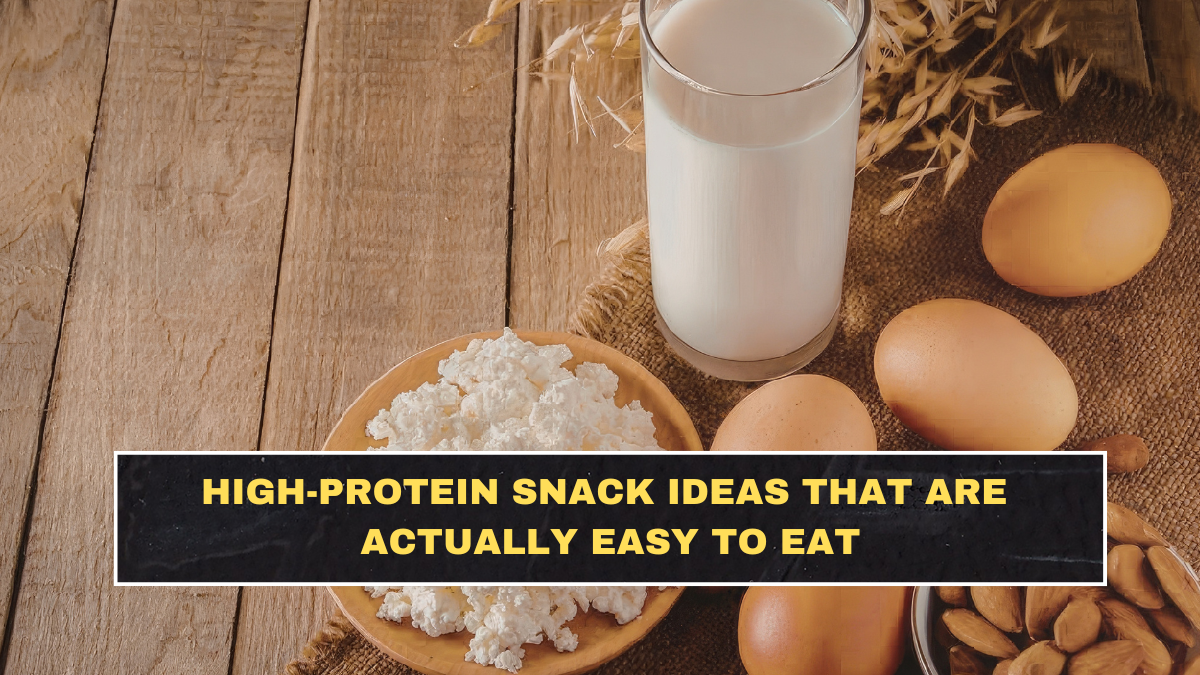
Protein snacks keep getting more attention because people want food that does more than just fill five distracted minutes. Industry tracking in early 2026 described protein snacking as one of the fastest-growing snack categories, driven by demand for foods that feel more sustaining and functional. At the same time, mainstream nutrition guidance still points people toward practical protein sources like beans, eggs, seafood, nuts, seeds, poultry, and dairy rather than treating “protein” as a synonym for expensive powders and bars.
The problem is that a lot of high-protein snack advice is either too gym-bro, too bland, or too annoying to repeat. Normal people want snacks they will actually eat on a busy day, not a list that sounds disciplined and then dies in the fridge. Harvard’s nutrition guidance notes that foods higher in protein and fiber tend to support satiety better than typical ultra-processed snack foods, which is exactly why simple protein-first snacks keep getting searched over and over.
Why do high-protein snacks keep working so well?
Because they solve a real problem: weak snacks do not hold people for long. A sugary biscuit or random chips may be easy to grab, but they often do a poor job of keeping hunger steady. Harvard Health’s snack guidance highlights protein-rich foods such as chickpeas and yogurt as stronger choices for keeping hunger under control, while USDA’s MyPlate continues to recommend varying protein choices across animal and plant sources.
That does not mean every snack needs to be a 30-gram protein event. That is dumb and unrealistic. The better goal is to make your snack more useful. If a snack gives you decent protein, requires low effort, and does not taste like punishment, it is much more likely to become a repeat habit instead of a one-week health kick.
Which high-protein snacks are easiest to repeat?
| Snack idea | Rough protein range | Why it works |
|---|---|---|
| Greek yogurt cup | 12–20g | Easy, cold, filling, no prep |
| Cottage cheese with fruit | 12–15g | Cheap, soft, and easy to customize |
| String cheese or cheese cubes | 6–10g | Portable and low effort |
| Hard-boiled eggs | 6g each | Simple, cheap, and fast |
| Roasted chickpeas or edamame | 7–12g | Crunchy option without meat |
| Jerky or meat sticks | 8–12g | Travel-friendly and convenient |
| Tuna pack or salmon pouch | 10–18g | High protein with almost no prep |
| Protein shake | 20–30g | Fastest option when appetite is low |
These ranges vary by brand and serving size, but the pattern is clear. The easiest protein snacks are usually the ones with either no prep or one tiny decision. That is also what current dietitian-driven roundup coverage keeps highlighting: jerky, protein shakes, pistachios, pumpkin seeds, protein bars, tuna kits, string cheese, deli turkey, and cottage cheese continue showing up because they are practical, not because they are trendy miracles.
What makes a protein snack actually easy to eat?
Texture matters more than people admit. Dry, chalky, aggressively “healthy” snacks get abandoned fast. Soft foods such as Greek yogurt, cottage cheese, boiled eggs, and drinkable shakes tend to be easier to eat regularly because they do not require much effort or mood. Even simple cheese portions keep showing up in current food coverage because they are easy, satisfying, and naturally protein-rich, though they should still be balanced against sodium and saturated fat intake.
The second factor is friction. If the snack requires cooking, chopping, blending, and cleaning every time, it is no longer an easy snack. It is a small project. That is why single-serve yogurt, pre-cooked eggs, roasted edamame, tuna pouches, and meat sticks keep beating more “aspirational” snack ideas in real life.
Which protein snack ideas work best for different situations?
For desk work, yogurt cups, cottage cheese bowls, boiled eggs, and protein bars work because they are quiet, quick, and not too messy. For commuting or travel, jerky, meat sticks, cheese, trail mixes with nuts and seeds, and ready-to-drink shakes make more sense. For people who hate sweet snacks, tuna packs, eggs, roasted chickpeas, and savory yogurt dips are often better than forcing another vanilla bar into the routine.
This is where a lot of snack advice fails. It assumes everyone wants the same kind of protein food. They do not. Some people want cold dairy. Some want salty and chewy. Some want something drinkable because appetite is low. A snack only works if it fits the situation and your tolerance for repetition.
Are protein bars the best answer?
Not automatically. They are useful, but they are not the smartest answer by default. Some bars are basically candy with extra marketing, while others are genuinely convenient protein options. The better test is simple: does the bar give you decent protein without turning into a sugar bomb or a stomach ache? If yes, fine. If not, stop pretending convenience excuses everything.
In practice, bars work best as backup food, not as the entire strategy. Current snack coverage still places whole-food options like yogurt, cheese, seeds, nuts, and fish kits right alongside bars, which tells you the category is not one-size-fits-all.
How can you make protein snacks cheaper and less boring?
Stop buying only branded “fitness snacks.” Eggs, Greek yogurt, cottage cheese, milk, beans, chickpeas, peanuts, seeds, and canned fish are often cheaper per serving than trendy packaged products. USDA’s protein-food guidance includes many of these basics, and Harvard’s broader protein advice also points toward beans, nuts, fish, and poultry as strong routine choices.
Boredom is also easier to fix than people claim. Add fruit to yogurt. Add hot sauce to cottage cheese. Toss chickpeas with spices. Pair cheese with apple slices. Use simple sauces, seasoning, or texture contrast instead of buying ten different snacks you will forget about in a week. The problem is usually not lack of options. It is lack of repetition tolerance.
What is the smartest way to build a high-protein snack habit?
Pick three categories, not twenty products. One dairy option, one savory portable option, and one shelf-stable backup is enough for most people. For example: Greek yogurt, jerky, and roasted chickpeas. Or cottage cheese, boiled eggs, and a protein shake. That is realistic. That is repeatable. That is how habits stick.
Conclusion
The best high-protein snack ideas are not the most impressive ones. They are the ones you will actually eat when you are busy, hungry, and not in the mood to perform wellness. Greek yogurt, cottage cheese, eggs, jerky, tuna packs, roasted chickpeas, cheese, and protein shakes keep winning because they are easy, familiar, and filling. Protein snacks do not need to be expensive or bland. They just need to be useful enough to survive real life.
FAQs
What is the easiest high-protein snack to keep at home?
Greek yogurt is one of the easiest because it is ready to eat, widely available, and often provides a strong protein hit without prep.
Are plant-based high-protein snacks realistic?
Yes. Roasted chickpeas, edamame, nuts, seeds, and bean-based snacks all fit USDA protein-food guidance and can work well for satiety.
Do high-protein snacks help with fullness?
Foods higher in protein and fiber tend to be more satisfying than many conventional snack foods, according to Harvard nutrition guidance and published satiety research.
Are protein bars necessary?
No. They are convenient, but plenty of easier or cheaper protein snacks exist, including yogurt, eggs, cheese, chickpeas, nuts, and fish packs.