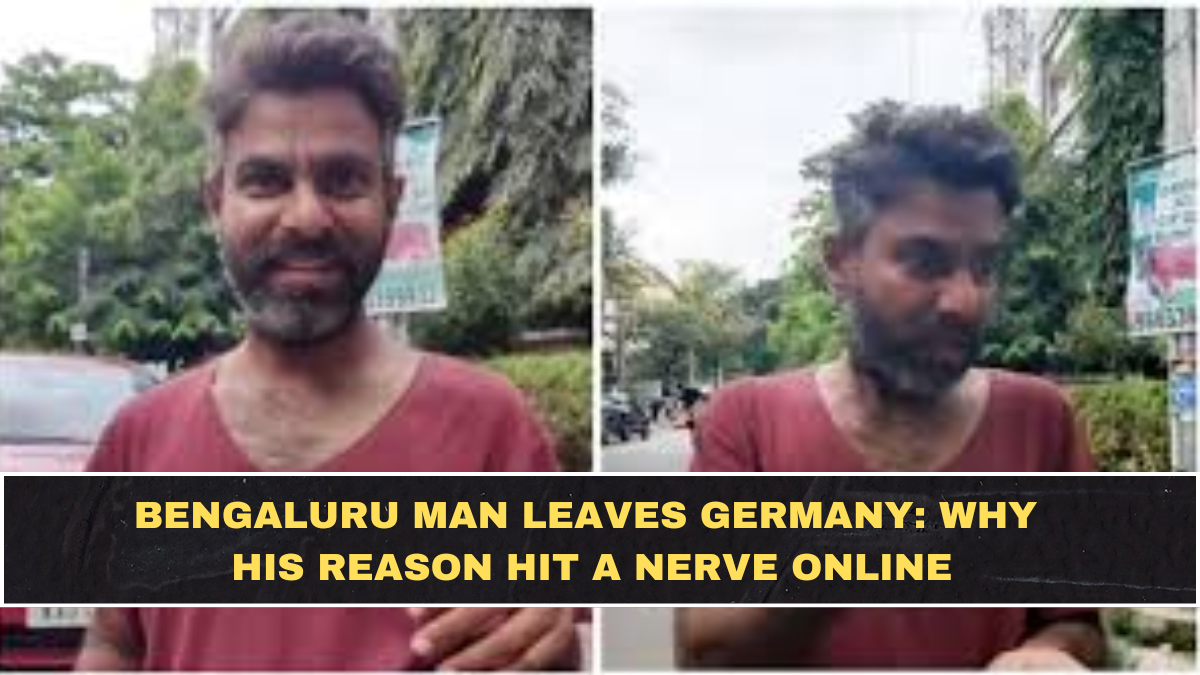
A Bengaluru-based software engineer has gone viral after explaining why he returned to India after spending six years in Germany. The man, identified in reports as Tanuj, said Germany gave him clean roads, predictable systems, peaceful surroundings, and better work-life balance. Yet, despite all that comfort, he felt something emotionally important was missing.
That is why the post hit so many people online. It was not a simple “India is better” or “Germany is better” argument. It was about the gap between a comfortable life and a fulfilling life, which many Indians living abroad quietly understand but do not always say openly.

What Did He Say About Germany And India?
| Factor | Germany Experience | India Pull |
|---|---|---|
| Lifestyle | Clean, calm, organised | Chaotic but emotionally alive |
| Work-life balance | Better and structured | More intense and unpredictable |
| Public systems | Predictable and efficient | Messier but familiar |
| Emotional feeling | Comfortable but disconnected | Stronger sense of belonging |
| Online debate | Many praised Germany | Many related to India’s energy |
Reports said Tanuj appreciated Germany’s organised life and did not return because of professional failure or hatred for the country. His point was more personal: comfort alone was not enough when emotional connection, familiarity, and everyday human warmth felt missing. Economic Times described the debate as one around comfort, order, and the emotional pull of home.
This is exactly why the story became relatable. Many people move abroad expecting peace, stability, and better systems, and they often get those things. But after the honeymoon phase ends, some begin missing the noise, people, festivals, family access, language comfort, and the feeling of being socially understood without explanation.
Why Did This Post Go Viral?
The post went viral because it challenged the usual success template that says moving abroad is automatically the final upgrade. For many Indian families, Germany, Canada, the US, the UK, or Australia still represent stability, status, and escape from Indian chaos. Tanuj’s post questioned that assumption without denying the genuine advantages of living abroad.
Key reasons people reacted strongly:
- It spoke about emotional belonging, not just salary.
- It admitted Germany was comfortable and well-organised.
- It did not pretend India has no problems.
- It touched Indians who feel lonely abroad.
- It challenged the “foreign life equals success” mindset.
- It made people compare comfort with connection.
The uncomfortable truth is that many people chase foreign life because it looks impressive from outside. But Instagram photos, clean streets, and weekend trips do not automatically solve loneliness. Some people thrive abroad; others slowly realise they were chasing an image, not a life that fits them.
Is Returning To India Always A Smart Move?
No, and this is where people need to stop being emotional. Returning to India can feel deeply fulfilling for some people, but it can also become frustrating if expectations are unrealistic. India offers family, culture, food, speed, opportunity, and emotional familiarity, but it also comes with traffic, pollution, bureaucracy, work pressure, and weaker public systems in many places.
So the smart question is not “Germany or India?” The smart question is “What kind of life actually suits me?” A person who values quiet, civic order, personal space, and strong public systems may struggle after returning. A person who values family access, social energy, language comfort, and cultural belonging may feel more alive in India.
What Are Indians Abroad Really Struggling With?
Many Indians abroad do not struggle only with money or jobs. Some struggle with silence, limited social circles, cultural distance, weather, language barriers, and the feeling of being permanently outside the emotional centre of society. These issues do not always show up in salary comparisons, but they shape daily happiness.
Common challenges include:
- Loneliness after work and on weekends.
- Missing parents, festivals, and family events.
- Difficulty building deep friendships.
- Feeling culturally misunderstood.
- Stable but repetitive routines.
- Guilt about ageing parents in India.
- Emotional distance from familiar food, language, and humour.
This does not mean foreign life is bad. That would be a childish conclusion. It means quality of life is not only measured by roads, salaries, public transport, and office hours. Emotional fit matters, and ignoring it can make even a well-settled life feel hollow.
Why Are People Divided On His Decision?
People are divided because both sides have valid points. Some believe Germany offers a better quality of life because of safety, infrastructure, work-life balance, and public discipline. Others say India gives them energy, belonging, ambition, family support, and emotional richness that Europe cannot replace. NDTV reported that the post sparked debate precisely because he returned despite acknowledging Germany’s comfort.
The problem begins when people turn personal life choices into universal advice. Tanuj’s decision worked for him, but that does not mean every Indian abroad should return. Similarly, someone happy in Germany should not mock those who miss India. Life abroad is not a trophy, and returning home is not failure.
Conclusion: Why Did This Story Hit So Hard?
The Bengaluru techie’s return from Germany hit a nerve because it exposed a truth many people avoid: comfort and happiness are not always the same thing. Germany gave him order, calm, and better systems, but India gave him emotional connection and a stronger sense of being alive. That contrast made the story bigger than one person’s move.
The real lesson is not that India is better than Germany or Germany is better than India. The lesson is that people must stop copying other people’s dreams. A foreign country can improve your lifestyle, but it cannot automatically give you belonging. Before chasing relocation, people need to ask whether they want comfort, connection, ambition, stability, or some honest mix of all four.
FAQs?
Who is the Bengaluru man who returned from Germany?
Reports identified him as Tanuj, a Bengaluru-based software engineer who returned to India after spending six years in Germany. His post went viral because he said Germany gave him comfort and order, but India gave him a stronger emotional connection. The story triggered debate among Indians living abroad and those considering migration.
Why did he leave Germany after six years?
He did not leave because Germany was bad or because he failed professionally. Reports said he appreciated Germany’s clean roads, peaceful life, organised systems, and work-life balance. However, he felt comfort was not enough without emotional belonging and familiarity.
Is life in Germany better than India?
It depends on what a person values most. Germany may offer better public systems, cleaner surroundings, stronger work-life balance, and more predictability. India may offer stronger family access, cultural familiarity, social energy, and emotional belonging for people who deeply connect with home.
Should Indians abroad return to India?
Indians abroad should not return only because one viral post feels relatable. They should evaluate career options, family needs, savings, lifestyle expectations, health, children’s education, and emotional priorities. Returning can be a great decision for some people, but a frustrating one for others if they romanticise India without preparing for its realities.