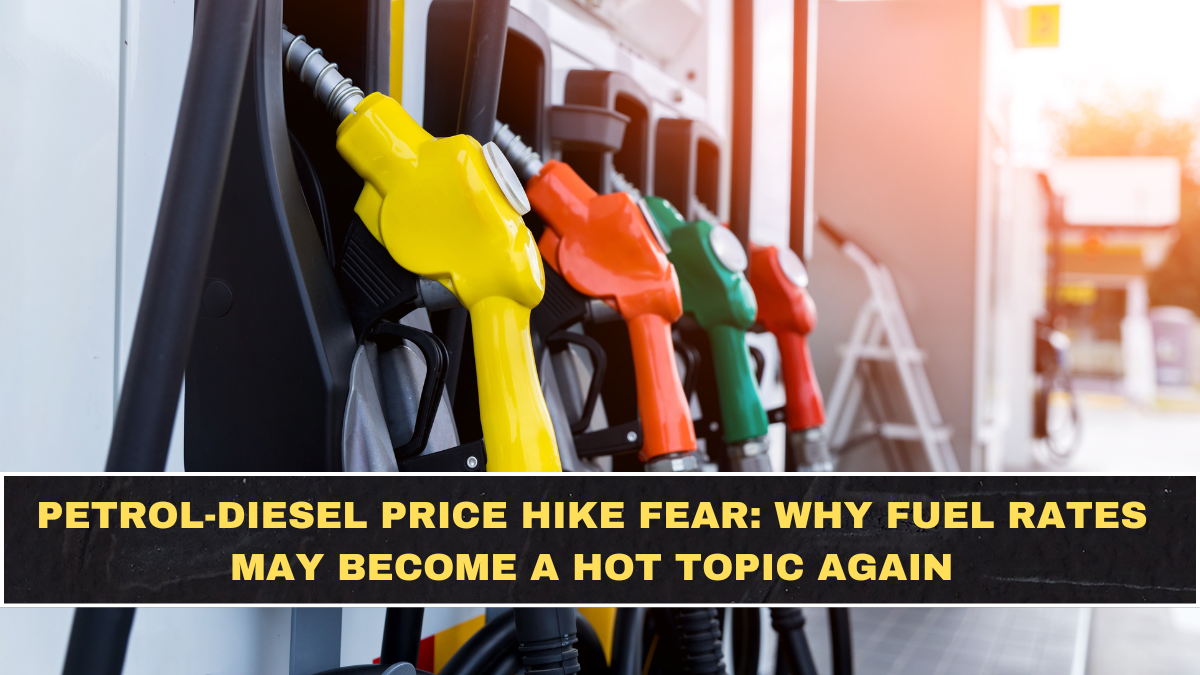
Petrol and diesel price hike fears are back because global crude oil pressure is becoming harder for India to absorb quietly. The IMF has said India may eventually have to pass higher crude oil costs to consumers instead of keeping retail fuel prices artificially low for too long. That single warning has restarted public anxiety around petrol pumps, inflation and household budgets.
This does not mean a price hike has been officially announced today. That is important, because rumours can create unnecessary panic. In Odisha’s Bhubaneswar, people reportedly rushed to fuel stations after price-hike rumours, even though there was no official announcement of any revision at that time. Blindly reacting to WhatsApp forwards is not awareness; it is panic buying.
What Did The IMF Actually Say?
IMF Asia-Pacific Department Director Krishna Srinivasan said India will eventually need to pass higher oil prices to consumers if crude remains elevated. His argument is that keeping fuel prices suppressed for too long can distort market signals and increase pressure on government finances. The IMF also pointed to targeted support for vulnerable groups instead of broad price suppression.
The message is uncomfortable but logical. If crude oil becomes expensive globally, someone has to absorb the cost. It can be consumers through higher prices, oil marketing companies through lower margins, or the government through tax cuts and subsidies. None of these options is painless.
| Pressure Point | What It Means For India |
|---|---|
| Higher crude oil | Raises import cost for fuel companies |
| Government tax cuts | Can cushion consumers but reduce revenue |
| Petrol-diesel prices | May face upward pressure if oil stays high |
| Inflation | Transport and food costs can rise indirectly |
| Household budget | Middle-class and lower-income families feel the pinch |
Why Is Oil Pressure A Big Problem?
India imports a large share of its crude oil requirement, so global oil-price shocks directly affect the economy. Reuters reported that India’s April consumer inflation was likely to rise to 3.8%, with higher fuel costs linked to the ongoing US-Iran conflict and elevated global energy prices. That shows how quickly fuel pressure can enter inflation forecasts.
Fuel does not affect only people who drive cars or bikes. Diesel moves trucks, buses, farm goods, construction material and daily-use products. When diesel costs rise, transport becomes expensive, and that cost can quietly enter vegetables, groceries, school transport, delivery charges and restaurant bills.
Will Petrol And Diesel Prices Rise Immediately?
Nobody should claim a confirmed immediate hike unless the government or oil marketing companies officially announce it. Right now, the fear is based on pressure, not a final price decision. The government can still use tax changes, oil-company margins, or targeted support to delay or soften the impact.
But pretending there is no risk would also be foolish. If crude oil remains high for weeks or months, fuel-price pressure becomes harder to hide. That is why the IMF’s comments are being taken seriously by economists, traders and consumers.
Who Will Feel The Impact Most?
The biggest impact will fall on people whose daily spending depends heavily on transport and cooking energy. Two-wheeler users, cab drivers, truck operators, small shopkeepers, delivery workers and farmers are usually hit faster. Even families without cars can feel the pressure through LPG, food transport and general inflation.
Watch these areas closely:
- Transport fares: Bus, cab and goods movement costs may rise.
- Food prices: Diesel-heavy supply chains can push retail prices higher.
- Inflation data: CPI and WPI numbers may show energy pressure.
- Government taxes: Excise-duty cuts may be used to cushion the blow.
- Oil company losses: Prolonged under-recovery can become unsustainable.
Conclusion?
Petrol-diesel price hike fear is not baseless, but panic is still stupid. The IMF has clearly warned that India may not be able to suppress higher fuel costs forever if crude stays expensive. At the same time, there has been no universal official price-hike announcement that justifies rushing to petrol pumps.
The real issue is bigger than one rupee or two rupees at the pump. Fuel prices affect inflation, transport, food, business costs and household budgets. If global oil tension continues, petrol and diesel may become one of India’s hottest economic topics again.
FAQs?
Is Petrol-Diesel Price Hike Confirmed In India?
No confirmed nationwide petrol-diesel price hike has been officially announced based on the latest available reports. The current fear is mainly due to IMF comments, higher crude oil pressure and global energy uncertainty. People should check official oil-company updates instead of reacting to rumours.
Why Did The IMF Ask India To Raise Fuel Prices?
The IMF said India may eventually need to pass higher crude oil costs to consumers because holding prices artificially low for too long can distort the market. It also creates fiscal pressure if the government keeps absorbing the shock through tax cuts or subsidies. The IMF suggested targeted help for vulnerable people instead of broad price suppression.
How Can Fuel Prices Affect Inflation?
Fuel prices affect inflation because petrol and diesel are linked to transport, logistics and supply chains. When diesel becomes costlier, moving goods becomes expensive, and that can raise food and retail prices. Fuel shocks can also affect services like taxis, deliveries, restaurants and travel.
Should People Fill Extra Fuel Now?
No, panic buying is not smart unless there is an official shortage or price-change announcement. Hoarding fuel can create unnecessary queues and safety risks. The better approach is to follow official updates, reduce wasteful fuel use and plan monthly transport expenses carefully.