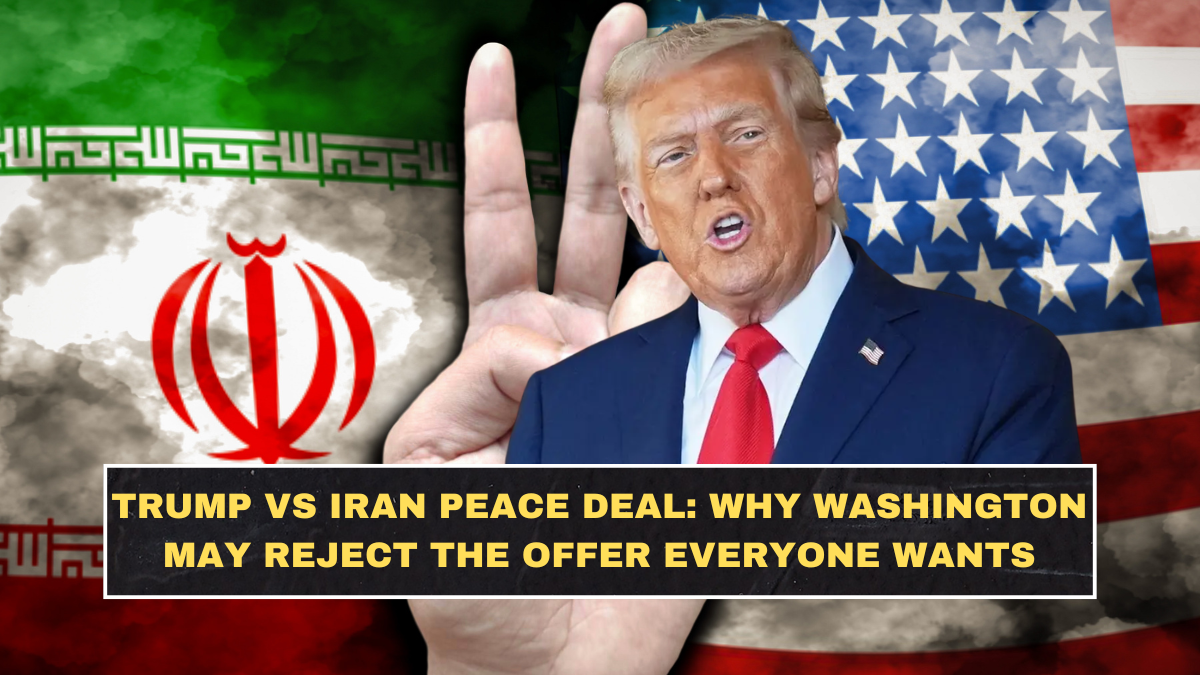
Iran’s latest peace proposal has become a major global story because it targets the one issue hurting the world economy most: the Strait of Hormuz. Tehran has reportedly offered to reopen the key oil route if the United States lifts its naval blockade on Iranian ports and agrees to end the war, but the proposal leaves Iran’s nuclear programme for later talks. That is exactly where the problem begins.
For many countries, the offer sounds practical because reopening Hormuz could calm oil markets, reduce shipping panic, and ease inflation pressure. But for Washington, accepting the deal without nuclear restrictions could look like a political and strategic failure. Trump wants Iran’s nuclear file addressed now, not pushed into a future round where Tehran may gain time, leverage, and breathing room.
What Has Iran Actually Offered?
Iran’s proposal appears to separate the immediate military-economic crisis from the nuclear dispute. According to reports, Tehran is offering to reopen the Strait of Hormuz and move toward ending the war if the US lifts its blockade, but nuclear negotiations would be postponed to a later stage. Axios reported that Iran gave the US a proposal to reopen Hormuz and end the war while delaying nuclear talks, citing a US official and sources familiar with the matter.
That structure is the heart of the controversy. Iran is trying to solve the most urgent issue first: blocked shipping and economic damage. The US, however, sees the nuclear question as the central threat. So both sides are technically talking about peace, but they are not talking about the same kind of peace.
| Issue | Iran’s Position | US Concern |
|---|---|---|
| Strait of Hormuz | Reopen if blockade ends | |
| War | Wants end to fighting | |
| Nuclear talks | Delay to later stage | |
| US demand | Address nuclear programme now | |
| Main risk | Temporary calm without long-term security deal |
Why Is Trump Likely To Reject The Deal?
Trump appears unwilling to accept a deal that reopens Hormuz but delays Iran’s nuclear concessions. Al Jazeera reported that the Trump administration has signalled rejection of Iran’s offer because it does not immediately place restraints on Tehran’s nuclear programme. That makes the proposal politically difficult for Washington, even if it could bring quick economic relief.
The problem is simple: Trump cannot easily sell this as a win if Iran gets the blockade lifted, war pressure reduced, and nuclear discussions postponed. His opponents would argue that Tehran escaped pressure without giving up anything serious. Even if global markets want calm, US political optics are brutal. That is why the deal “everyone wants” may still fail.
Why Does The Strait Of Hormuz Matter So Much?
The Strait of Hormuz matters because it is one of the world’s most important oil and gas shipping chokepoints. When Hormuz is blocked or threatened, traders immediately price in the risk of supply disruption. Oil becomes more expensive, shipping insurance rises, and countries dependent on imported energy face higher costs.
This is why the current proposal has huge global importance. Reopening Hormuz would not only help Iran or the US. It could help Asian economies, European energy buyers, Gulf exporters, airlines, shipping firms, and ordinary consumers facing higher fuel prices. But the same importance also gives both sides leverage, which makes the negotiations harder rather than easier.
Why Is The Nuclear Issue Blocking A Quick Deal?
The nuclear issue is blocking a quick deal because Washington believes this war and blockade are not only about shipping. The US wants to stop Iran from using a short-term ceasefire to protect its nuclear programme and rebuild leverage. Reports say Trump is dissatisfied with Iran’s latest proposal because it does not address the nuclear file directly.
Iran, on the other hand, likely understands that putting the nuclear issue on the table immediately would create internal political risk. Tehran may want a phased deal because it can present reopening Hormuz as a practical victory while avoiding the appearance of surrender. That is the uncomfortable truth: both sides need a deal, but both also need to avoid looking weak.
What Did Trump Say About Iran’s Situation?
Trump claimed that Iran had told the US it was in a “state of collapse” and wanted the Strait of Hormuz opened as soon as possible. Time reported that Trump did not explain how the message was communicated or who exactly delivered it. Iran has not clearly confirmed Trump’s version, which means the claim should be treated carefully rather than repeated as proven fact.
This matters because statements like this can shape public pressure. If Trump convinces voters that Iran is collapsing, he has less incentive to accept a compromise quickly. He may believe that more pressure will produce a better deal. But that strategy is risky because the longer Hormuz stays disrupted, the more the global economy suffers.
Who Benefits If The Deal Fails?
If the deal fails, hardliners on both sides may benefit politically. In Washington, rejecting the proposal allows Trump to say he refused a weak deal and kept pressure on Iran’s nuclear programme. In Tehran, rejecting nuclear demands allows leaders to claim they resisted American pressure and defended national sovereignty.
But almost everyone else loses. Oil importers face higher prices, shipping companies face higher risk, global markets face uncertainty, and civilians across the region face continued instability. This is the ugly part of geopolitical bargaining: leaders can gain political leverage while ordinary people pay through inflation, fuel costs, and insecurity.
Can This Proposal Still Lead To Peace?
Yes, but only if both sides accept a phased structure with stronger guarantees. The US may demand a clear timeline for nuclear talks, inspection commitments, or limits on enrichment before lifting the blockade fully. Iran may demand a formal end to attacks, sanctions relief, and security guarantees before making nuclear concessions.
A realistic compromise may not be a grand peace deal. It may be an interim deal that reopens Hormuz, reduces military pressure, and creates a strict deadline for nuclear talks. That would not satisfy everyone, but it may be better than waiting for a perfect agreement while the global economy burns.
What Is The Bottom Line?
Iran’s peace proposal is attractive because it addresses the world’s most urgent concern: reopening the Strait of Hormuz. But it is also incomplete from Washington’s point of view because it delays the nuclear issue. That is why Trump may reject a deal that many countries desperately want.
The blunt reality is this: Iran wants relief before nuclear concessions, while Trump wants nuclear concessions before major relief. Until that order changes, the peace proposal may remain stuck. The world may want a quick deal, but diplomacy rarely moves according to what consumers, markets, or oil buyers need.
FAQs
What Is Iran’s Latest Peace Proposal?
Iran has reportedly offered to reopen the Strait of Hormuz and end the war if the US lifts its naval blockade, while postponing nuclear talks to a later stage.
Why Is Trump Against The Proposal?
Trump appears unhappy because the proposal does not immediately address Iran’s nuclear programme, which Washington sees as the central issue.
Why Is The Strait Of Hormuz Important?
The Strait of Hormuz is a critical oil and gas route, so any blockade or disruption can raise energy prices and increase inflation pressure worldwide.
Could The Deal Still Happen?
Yes, but it would likely need stronger guarantees, including a clear timeline for nuclear talks and phased steps from both sides.
Who Is Most Affected If Talks Fail?
Oil-importing countries, shipping firms, global consumers, and civilians in the region are most exposed if the blockade and war continue.